Blocks

Blocks are the smallest pieces of svemir: links, images, notes and papers I’ve collected.

636 blocks · 61 channels · 636 nodes

'In Silver's vision, truly intelligent agents would need long time horizons. Chatbots have brief interactions: The user asks a question; the bot answers. But humans are forever conceiving long-term objectives, and planning what they need to do next week and next month in order to realize them. Future AIs, Silver believed, would behave in the same way. Taksed, for example, to help solve energy scarcity by inventing a superconductor, and AI might draw up a reading list, conduct experiments, invent novel materials, and so on, pursuing its goal over the space of a year or more. As Silver and Sutton wrote, the models of the future would "actively explore the world, adapt to changing environments, and discover strategies that might never occur to a human." "The kind of AI that we have today doesn't have a life. It doesn't have its own stream of experience in the way that an animal or human might have. And that needs to be changed, so that we can have systems that keep learning and learning. We'll have coding agents that are just there, continusly improvng worlds code, and predicting which tools you'll find more useful. They'll just be beavering away on all this stuff in the background. Or let's say you tell your agent that you want to learn a new skill - speaking Japanese, for example. It will go off and build an app for that. And then it will teach you in a way that's optimized for you. And you'd get better on some tests. And your improvement would reward the system, so that it learned how to be a better teacher even as you learned to be a better Japanese speaker.'
David Silver (DeepMind) on the future of AIFrom The Infinity Machine: Demis Hassabis, DeepMind and the Quest for Superintelligence by Sebastian Mallaby
It ’ s just distributed computing: Rethinking AI governanceIndia (TRAI · 2025What we now lump under the unitary label “artificial intelligence” is not a single technology, but a highly varied set of machine learning appli­ cations enabled and supported by a globally ubiquitous system of distributed computing. The paper introduces a 4 part conceptual framework for analyzing the structure of that system, which it labels the digital ecosystem. What we now call “AI” is then shown to be a general functionality of distributed computing. "AI” has been present in primitive forms from the origins of digital computing in the 1950s. Three short case studies show that large-scale machine learning applications have been present in the digital ecosystem ever since the rise of the Internet. and provoked the same public policy concerns that we now associate with “AI.” The governance problems of “AI” are really caused by the development of this digital ecosystem, not by LLMs or other recent applications of machine learning. The paper then examines five recent proposals to “govern AI”and maps them to the constituent elements of the digital ecosystem model. This mapping shows that real-world attempts to assert governance authority over AI capabilities requires systemic control of all four elements of the digital ecosystem: data, computing power, networks and software. “Governing AI,” in other words, means total control of distributed computing. A better alternative is to focus governance and regulation upon specific appli­ cations of machine learning. An application-specific approach to governance allows for a more decentralized, freer and more effective method of solving policy conflicts.
Advancements in Context Recognition for Edge Devices and Smart Eyewear: Sensors and ApplicationsFrancesca Palermo, Luca Casciano · 2025Edge devices have garnered significant attention for their ability to process data locally, providing low-latency, context-aware services without the need for extensive reliance on cloud computing. This capability is particularly crucial in context recognition, which enables dynamic adaptation to a user’s real-time environment. Applications range from health monitoring and augmented reality to smart assistance and social interaction analysis. Among edge devices, smart eyewear has emerged as a promising platform for context recognition due to its ability to unobtrusively capture rich, multi-modal sensor data. However, the deployment of context-aware systems on such devices presents unique challenges, including real- time processing, energy efficiency, sensor fusion, and noise management. This manuscript provides a comprehensive survey of context recognition in edge devices, with a specific emphasis on smart eyewear. It reviews the state-of-the-art sensors and applications for context inference. Furthermore, the paper discusses key challenges in achieving reliable, low-latency context recognition while addressing energy and computational constraints. By synthesizing advancements and identifying gaps, this work aims to guide the development of more robust and efficient solutions for context recognition in edge computing. INDEX TERMS Context recognition, edge computing, smarteyewear, wearable technology.
Identifying Hand-based Input Preference Based on Wearable EEGKaining Zhang∗ · 2024Understanding user input preference can improve the user experi- ence, however automatically determining preference can be diffi- cult. In this paper, we designed an EEG-based method for directly evaluating hand-based input preference for touch and mid-air ges- tures on a smartwatch. We conducted a two-phase experiment, recording EEG data from 18 participants as they performed ges- tures and captured their ratings (Phase 1) and preference choices (Phase 2) for each gesture. Our analysis uncovered distinct EEG patterns between preferred and non-preferred gestures, including significant differences in Power Spectral Density (PSD), Coherence (Coh), and Sample Entropy (SE) features. When participants en- gaged with their preferred input gestures, we identified decreased brain activity (PSD) in the central and occipital regions, reduced brain connectivity (Coh) in the delta and alpha bands, and increased brain complexity (SE) in multiple sizes. These insights offer the potential to develop rapid detection of user intent for interactive computing devices by analysing brain signals. Permission to make digital or hard copies of all or part of this work for personal or classroom use is granted without fee provided that copies are not made or distributed for profit or commercial advantage and that copies bear this notice and the full citation on the first page. Copyrights for components of this work owned by others than the author(s) must be honored. Abstracting with credit is permitted. To copy otherwise, or republish, to post on servers or to redistribute to lists, requires prior specific permission and/or a fee. Request permissions from permissions@acm.org. AHs 2024, April 04–06, 2024, Melbourne, VIC, Australia © 2024 Copyright held by the owner/author(s). Publication rights licensed to ACM. ACM ISBN 979-8-4007-0980-7/24/04 https://doi.org/10.1145/3652920.3653028 CCS CONCEPTS • Human-centered computing →User studies; Gestural input; Laboratory experiments.
Recommendations user interface in web-based e-commerce systemsOleksandr Yeroshkin, Janusz Sobecki · 2024In the world of dynamic e-commerce, competition is fierce, and the ability to attract and retain customers is becoming crucial. In this reality, adaptive user interfaces (UI) play an important role, allowing e-commerce platforms to personalize the shopping experience to better understand and meet customer needs. When combined with advanced artificial intelligence (AI) technologies, adaptive UI can bring revolutionary changes to the way customers interact with e-commerce platforms. In this article, we will discuss how AI can be used to design and improve adaptive user interfaces in e-commerce systems, and what benefits can result from this combination. © 2024 The Authors. Published by Elsevier B.V. This is an open access article under the CC BY-NC-ND license ([https://creativecommons.org/licenses/by-nc-nd/4.0](https://creativecommons.org/licenses/by-nc-nd/4.0)) Peer-review under responsibility of the scientific committee of the 28th International Conference on Knowledge Based and Intelligent information and Engineering Systems Oleksandr Yeroshkin et al. / Procedia Computer Science 246 (2024) 2874–2881 2875 tion of an experimental approach in a controlled environment. During the implementation and verification phases, we will be able to generate alternative solutions and evaluate them according to the UX and/or conversion requirements. The paper is structured as follows. In the second section, the state of the art is presented. Then, in the following section, an example of a commercial system whose user interface will be adapted is given. In the fourth section, the proposed solution of adapted UI based on AI is described. In the final section, we summarize the paper and give some information on the proposed future work. 2. State of the art In the beginning, UI recommendation services did not use artificial intelligence methods [12]. According to Baraglia [4] and Kopel [10], mainly traditional approaches were used at that time. However, currently we are dealing with solutions that intensively use various AI algorithms. Automating user interface optimization can be achieved using a variety of techniques based on both traditional ap- proaches and AI and machine learning (ML) algorithms. When it comes to optimizing user experience in e-commerce, there are three approaches: adaptable, semi-adaptive, and fully adaptive [1]. The first involves manual adjustment by a user or expert according to their usage criteria [18]. The second involves manual adjustment supported by system recommendations which is a kind of evol
Predictive Analytics for Website User BehaviorPawan Vankhede · 2024This study examines the application of predictive analytics to user behavior analysis on websites, with a particular emphasis on a dataset of customer behavior from e-commerce. To forecast behavioral patterns, the study will apply the random forest method. Additionally, exploratory data analysis (EDA) will be carried out to extract insights from the dataset. The dataset employed in this study includes a variety of factors, such as purchase history, browsing habits, and consumer demographics, among other pertinent data. The research attempts to derive useful insights that can improve the comprehension and prediction of user behavior on the website by utilizing predictive analytics approaches. In this study, the random forest algorithm which is well-known for its capacity to manage intricate datasets and generate precise predictions is employed. The method builds several decision trees and combines their predictions to produce more reliable and accurate outcomes by utilizing ensemble learning. Predicting different aspects of user behavior, including browsing patterns, chance of making a purchase, and customer segmentation, is the aim. When paired with the insights from EDA, the outcomes of the behavioral analysis prediction made with the random forest algorithm can provide e-commerce companies with useful data. Gaining insight into user behavior can help with customer engagement, website design optimization, personalization, and overall user experience enhancement.
Educating Artificial Intelligence following the Child Learning Development Trajectories2024Artificial Intelligence is spreading in most daily activities. However, its develop- ment and deployment raise issues related to biases, such as gender and disability, mainly stemming from biased or incomplete datasets and lack of transparency and accountability in its algorithms. To overcome these issues, it is necessary to revert to a human-centered mindset, trying to educate algorithms rather than only train them. Adopting a human-centered approach in AI has been a first step, but it is necessary a step ahead. Indeed, recent theoretical perspectives suggest that edu- cating AI algorithms also need a profound understanding of the context of use in which it operates, adopting an approach like those in which a child is educated from birth following its developmental trajectory. By incorporating well-established educational models into the training of AI algorithms, intelligent systems based on those AI algorithms can better align with human learning trajectories, reducing bi- ases and making them more contextually aware. This paper goes in this direction, presenting an educational human-centered approach as a design methodology for artificial intelligence algorithms used within the European FRACTAL project. This proposal would pave the way toward developing more educated artificial intelligence algorithms since they are adapted to the real context of use.
Harnessing AI potential in E-Commerce: improving user engagement and sales through deep learning-based product recommendationsZhang · 2024Artificial intelligence (AI) has become a game-changing influence in e-commerce, reshaping the way businesses inter­ act with customers and increasing operational efficiency. In today’s digital era, AI technologies are being progressively embedded into e-commerce platforms to enhance the user experience, improve processes, and drive business growth. One of the primary areas where AI demonstrates its potential is in personalized product recommendations. This study explores the development of AI-driven recommendations regarding product design, sales, and customer experience in e-commerce environments. The research employs a quantitative approach to explore how AI technologies can enhance various facets of online retail. Using purposive sampling, 439 consumers and 356 sellers from diverse regions of China participated in an online survey designed to gather insights into their interactions with AI-driven recommendations. Data analysis was rigorously conducted using Lisrel 10.20 and Smart PLS 3 software, focusing on validating hypotheses related to AI’s influence on consumer behavior and business outcomes. Key findings include AI’s significant role in boosting productiv­ ity, enhancing sales figures, and enriching consumer experiences through personalized recommendations. This research provides a deeper insight into AI’s potential in e-commerce and provides recommendations for businesses focused on using AI technology to increase user engagement and increase sales in digital marketing.
Collaborative Filtering and Recommendation Algorithm for Artificial Intelligence Live Streaming E-Commerce Platforms Based on Big DataChen · 2024With the development of the Internet and mobile Internet, live streaming e-commerce has become an emerging e-commerce force. However, traditional recommendation algorithms have shortcomings in terms of accuracy and personalization of recommendation results, and more intelligent and personalized recommendation algorithms need to be applied. This article aimed to achieve personalized product recommendations and enhance the shopping experience of users by analyzing their historical behavioral data, real-time interests and needs, combined with big data and artificial intelligence technology. The collaborative filtering recommendation algorithm based on live streaming had an average recommendation accuracy of over 80% for user groups 1, 2, and 3. The research results of this article had important practical significance for promoting the healthy development of live streaming e-commerce platforms, improving user experience, and enhancing platform competitiveness. © 2024 The Authors. Published by Elsevier B.V. This is an open access article under the CC BY-NC-ND license ([https://creativecommons.org/licenses/by-nc-nd/4.0](https://creativecommons.org/licenses/by-nc-nd/4.0)) Peer-review under responsibility of the scientific committee of the 11th International Conference on Applications and Techniques in Cyber Intelligence Yu’e Chen et al. / Procedia Computer Science 247 (2024) 826–833 827 and loyalty to the platform, but also promotes user purchasing behavior, increases purchase conversion rates, and enhances order value. This article analyzes the current application status of traditional recommendation algorithms and big data artificial intelligence in the e-commerce field, points out the shortcomings and areas for improvement of existing methods, and proposes methods such as user collaborative filtering and live streaming collaborative filtering to improve recommendation accuracy. On this basis, an in-depth analysis and exploration of collaborative filtering and recommendation algorithms for intelligent live streaming e-commerce platforms based on big data is conducted. 2. Related Works A large number of customers use traditional e-commerce portal websites, which lack product quality assurance. Rashidin Md Salamun used the status quo bias theory to study customer retention behavior on e-commerce platforms. The research findings can help managers and policy makers develop new policies to better serve customers [1]. Nichifor Eliza aimed to study the impact of using artificial intelligence through chatbots on the con
Visualizing the knowledge mapping of artificial intelligence in education: A systematic reviewInformation Technologies · 2024Artificial Intelligence (AI) plays a vital role in the growth and progress of educa- tion. Therefore, there is a need to scientifically explore the application of Artifi- cial Intelligence in Education (AIED) and systematically analyze the development trends and research hotspots of AIED to provide reference for researchers. In this study, 1356 articles (2016–2023) in WOS were selected for further research, utiliz- ing knowledge graph analysis. Using both VOSviewer and CiteSpace, which facili- tated triangulating the data across software platforms to ensure the reliability of the results, the main highly co-cited literature and keywords were thoroughly analyzed. The key highlights of the results are: Firstly, the study reveals three major themes in the field of AI education, namely, medical theme, educational theme, and ChatGPT theme. Secondly, important literature and nodes in the field of AIED were identi- fied. Thirdly, the study demonstrates the main technologies in the field of AIED, including Natural Language Processing, Machine Learning, Deep Learning, and Generative Artificial Intelligence. Finally, the burst analysis illustrates the hotspots and themes of the AIED at different stages. This study enriches the understanding of the fundamental knowledge and research frontiers essential to the application of AIED, which helps identify the patterns and trends for future research and teaching practices.
Human-Centered AI: Enhancing User Interaction with Intelligent SystemsGalhenage Gayan Sudesh Suranga Perer · 2024This research examines Human- Centered AI (HCAI) and its contribution to user involvement and user experience with intelligent systems in the healthcare, finance, and education industries. HCAI focuses on deploying AI in a fashion that considers human abilities, values, and emotions in a way that enhances convenience, adaptability, and reliability. The study adopts a qualitative and quantitative mixed methodology in conducting surveys and interviews with users and AI developers examining the effects of human- centered design attributes explanation and user control on user satisfaction. The results imply that such systems of AI which follow the principles of human-centered design have more acceptance and endorsement among users. In particular, participants stressed the need for effective articulation of decision-making processes by AI tools and provision for some degree of manual control over the tools. At the same time, the analysis has uncovered the existence of persistent ethical problems, such as bias, privacy, reliability of AI systems, which need to be addressed further. According to the findings, the application of the HCAI approach can greatly boost the experience and confidence of users in using AI devices. Practical implications are related to the go and bias justice, implementing and enhancing information on explainability, feedback, privacy and integrated ethics into the systems. In this paper, we present additional development for the application of ethical artificial intelligence. Inde Term — Adaptability, Explainability, Human-Centered AI, Interaction Design, Personalization, Transparency, Trust, User Experience, Usability
Article Functional Framework for Multivariant E-Commerce User InterfacesAdam Wasilewski · 2024Modern e-businesses heavily rely on advanced data analytics for product recommendations. However, there are still untapped opportunities to enhance user interfaces. Currently, online stores offer a single-page version to all customers, overlooking individual characteristics. This paper aims to identify the essential components and present a framework for enabling multiple e-commerce user interfaces. It also seeks to address challenges associated with personalized e-commerce user interfaces. The methodology includes detailing the framework for serving diverse e-commerce user interfaces and presenting pilot implementation results. Key components, particularly the role of algorithms in personalizing the user experience, are outlined. The results demonstrate promising outcomes for the implementation of the pilot solution, which caters to various e-commerce user interfaces. User characteristics support multivariant websites, with algorithms facilitating continuous learning. Newly proposed metrics effectively measure changes in user behavior resulting from different interface deployments. This paper underscores the central role of personalized e-commerce user interfaces in optimizing online store efficiency. The framework, supported by machine learning algorithms, showcases the feasibility and benefits of different page versions. The identified components, challenges, and proposed metrics contribute to a comprehensive solution and set the stage for further development of personalized e-commerce interfaces.
Granting Non-AI Experts Creative Control Over AI SystemsMIchelle S. Lam · 2024Many harmful behaviors and problematic deployments of AI stem from the fact that AI experts are not experts in the vast array of settings where AI is applied. Non-AI experts from these domains hold promising potential to contribute their expertise and directly design the AI systems that impact them, but they face substantial technical and efort barriers. Could we redesign AI development tools to match the language of non-technical end users? My re­ search develops novel systems allowing non-AI experts to defne AI behavior in terms of interpretable, self-defned concepts. Mono­ lithic, black-box models do not yield such control, so we introduce techniques for users to create many narrow, personalized models that they can better understand and steer. We demonstrate the success of this approach across the AI lifecycle: from designing AI objectives to evaluating AI behavior to authoring end-to-end AI systems. When non-AI experts design AI from start to fnish, they notice gaps and build solutions that AI experts could not—such as creating new feed ranking models to mitigate partisan animosity, surfacing underreported issues with content moderation models, and activating unique pockets of LLM behavior to amplify their personal writing style. Permission to make digital or hard copies of all or part of this work for personal or classroom use is granted without fee provided that copies are not made or distributed for proft or commercial advantage and that copies bear this notice and the full citation on the frst page. Copyrights for third-party components of this work must be honored. For all other uses, contact the owner/author(s). UIST Adjunct ’24, October 13–16, 2024, Pittsburgh, PA, USA © 2024 Copyright held by the owner/author(s). ACM ISBN 979-8-4007-0718-6/24/10 [https://doi.org/10.1145/3672539.3686714](https://doi.org/10.1145/3672539.3686714)
A personalized product recommendation model in e-commerce based on retrieval strategyNguyen · 2024In recent years, online shopping is one of the routine parts in people’s life. It is convenient and takes less effort to purchase it. Regarding the increasing revolution of e-commerce businesses, recommendation engine plays a crucial role in them. Recommendation engines are very popular and easy to implement to their platform nowadays. Due to the extremely high competition of e-commerce businesses, the operation needs to integrate the recommender wisely. This study presents a comprehensive approach to improving user experience and engagement on e-commerce platforms through the implementation of an implicit personalized product recom­ mendation engine. Collaborating with the H&M Group, the research combines the strength of each recom­ mending algorithms which are collaborative filtering, popularity, and Bayesian personalized ranking to develop a robust recommendation system. By leveraging a retrieval strategy that combines multiple algorithmic tech­ niques and evaluating candidates using machine learning models which comprise LightGBM and Deep Neural Network, the study achieves promising results. The authors utilize two popular technical metrics to evaluate their models which are mean average precision at K candidates (MAP@K) and mean average recall at K candidates (MAR@K). The empirical result indicates that the LightGBM model has remarkable performance than Deep Neural Network model, which are 0.06 versus 0.02 respectively in MAP@K and 0.03 versus 0.01 respectively in MAR@K when both recommending ways is at 50 items. Overall, this research contributes a novel framework that addresses the challenges of analyzing large-scale data, cold-start problems, and personalization, thereby enhancing the user experience, and driving sales on e-commerce platforms.
A Systematic Review on Human and ComputerRESHNA NANDIPI · 2024As technology continues to advance at an unprecedented pace, the interaction between humans and computers has become an integral part of our daily lives. This study provides a comprehensive review of the evolving landscape of human- computer interaction (HCI) research, focusing on the key concepts, methodologies, and advancements in this interdisciplinary field. The review begins by presenting an overview of the historical evolution of HCI, tracing its roots from early command-line interfaces to the current era of intuitive touchscreens and voice recognition systems. The fundamental principles of HCI, including usability, accessibility, and user- centered design, are examined in detail, highlighting their significance in enhancing the overall user experience. Moreover, the review explores various interaction modalities that have emerged over the years, such as graphical user interfaces, haptic feedback, augmented reality, and virtual reality. It examines the strengths, limitations, and potential applications of these modalities, shedding light on the future possibilities they hold for human-computer interaction. Furthermore, the review delves into the emerging trends in HCI research, including natural language processing, gesture recognition, machine learning, and affective computing. These advancements have paved the way for more personalized and adaptive interfaces, enabling computers to understand and respond to human emotions and intentions, thereby fostering deeper levels of engagement and satisfaction. The study also addresses the challenges and ethical considerations associated with human-computer interaction, such as privacy concerns, data security, and algorithmic biases. It emphasizes the importance of designing inclusive and ethical systems that respect users' rights and values.
SituationAdapt: Contextual UI Optimization in Mixed Reality with Situation Awareness via LLM ReasoningZhipeng Li, Christoph Gebhardt et al. · 2024Mixed Reality is increasingly used in mobile settings beyond con­ trolled home and ofce spaces. This mobility introduces the need for user interface layouts that adapt to varying contexts. However, existing adaptive systems are designed only for static environments. In this paper, we introduce SituationAdapt, a system that adjusts Mixed Reality UIs to real-world surroundings by considering envi­ ronmental and social cues in shared settings. Our system consists of perception, reasoning, and optimization modules for UI adaptation. Our perception module identifes objects and individuals around the user, while our reasoning module leverages a Vision-and-Language Model to assess the placement of interactive UI elements. This en­ sures that adapted layouts do not obstruct relevant environmental cues or interfere with social norms. Our optimization module then generates Mixed Reality interfaces that account for these consid­ erations as well as temporal constraints. For evaluation, we frst validate our reasoning module’s capability of assessing UI contexts in comparison to human expert users. In an online user study, we then establish SituationAdapt’s capability of producing context- aware layouts for Mixed Reality, where it outperformed previous adaptive layout methods. We conclude with a series of applications and scenarios to demonstrate SituationAdapt’s versatility. Permission to make digital or hard copies of all or part of this work for personal or classroom use is granted without fee provided that copies are not made or distributed for proft or commercial advantage and that copies bear this notice and the full citation on the frst page. Copyrights for components of this work owned by others than the author(s) must be honored. Abstracting with credit is permitted. To copy otherwise, or republish, to post on servers or to redistribute to lists, requires prior specifc permission and/or a fee. Request permissions from permissions@acm.org. UIST ’24, October 13–16, 2024, Pittsburgh, PA, USA © 2024 Copyright held by the owner/author(s). Publication rights licensed to ACM. ACM ISBN 979-8-4007-0628-8/24/10 https://doi.org/10.1145/3654777.3676470 CCS CONCEPTS • Human-centered computing → Mixed / augmented reality; Virtual reality; Interactive systems and tools.
Real-Time Personalized User Interface Adaptation Using Reinforcement LearningAbdulrahman Khamaj, Abdulelah M. Ali · 2024Developing a dynamic, personalized user interface that changes in real-time in response to user behavior is the goal. This paper supplies a modern method to beautify consumers enjoy using Reinforcement Learning (RL) and a Deep Q Network (DQN). Through support examination, the task objectives are to upgrade buyer connections and increment commitment, delight, and undertaking of consummation rates. Users who utilize traditional user interfaces get a common experience because they’re impersonal and unflexible. The potential for higher engagement and happiness levels is limited in the absence of real-time changes based on individual preferences and behaviors. To overcome this problem, the study suggests a cunning technique for a getting-to-comprehend layout that may constantly analyze and modify patron communications. This evaluation is new as it provides a blended RL and DQN framework that modifies person interfaces grade by grade. Dissimilar to conventional methodologies, the proposed form adjusts the utilization of well-known, over-the-top prize moves with the development of the most recent ones through an investigation double-dealing system. EventType, contentId, personId, sensorId, and timestamp are instances of timestamped insights handles that give a thorough skill of client conduct and license planned and nuanced changes.
Utilizing emotion recognition technology to enhance user experience in real- timeYuanyuan Xu · 2024In recent years, advancements in human-computer interaction (HCI) have led to the emergence of emotion recognition technology as a crucial tool for enhancing user engagement and satisfaction. This study investigates the application of emotion recognition technology in real-time environments to monitor and respond to users’ emotional states, creating more personalized and intuitive interactions. The research employs convolutional neural networks (CNN) and long short-term memory networks (LSTM) to analyze facial expressions and voice emotions. The experimental design includes an experimental group that uses an emotion recognition system, which dynamically adjusts learning content based on detected emotional states, and a control group that uses a traditional online learning platform. The results show that real-time emotion monitoring and dynamic content adjustments significantly improve user experiences, with the experimental group demonstrating better engagement, learning outcomes, and overall satisfaction. Quantitative results indicate that the emotion recognition system reduced task completion time by 14.3%, lowered error rates by 50%, and increased user satisfaction by 18.4%. These findings highlight the potential of emotion recognition technology to enhance user experiences. However, challenges such as the complexity of multimodal data integration, real-time processing capabilities, and privacy and data security issues remain. Addressing these challenges is crucial for the successful implementation and widespread adoption of this technology. The paper concludes that emotion recognition technology, by providing personalized and adaptive interactions, holds significant promise for improving user experience and offers valuable insights for future research and practical applications.
A Roadmap of Explainable Artificial Intelligence: Explain to Whom, When, What and How?Ziming Wang · 2024Explainable artificial intelligence (XAI) has gained significant attention, especially in AI-powered autonomous and adaptive systems (AASs). However, a discernible disconnect exists among research efforts across different communities. The machine learning community often overlooks "explaining to whom," while the human-computer interaction community has examined various stakeholders with diverse explanation needs without addressing which XAI methods meet these requirements. Currently, no clear guidance exists on which XAI methods suit which specific stakeholders and their distinct needs. This hinders the achievement of the goal of XAI: providing human users with understandable interpretations. To bridge this gap, this paper presents a comprehensive XAI roadmap. Based on an extensive literature review, the roadmap summarizes different stakeholders, their explanation needs at different stages of the AI system lifecycle, the questions they may pose, and existing XAI methods. Then, by utilizing stakeholders' inquiries as a conduit, the roadmap connects their needs to prevailing XAI methods, providing a guideline to assist researchers and practitioners to determine more easily which XAI methodologies can meet the specific needs of stakeholders in AASs. Finally, the roadmap discusses the limitations of existing XAI methods and outlines directions for future research.
Predicting the usability of mobile applications using AI tools: the rise of large user interface models, opportunities, and challengesIndustry (EDI40) · 2024This article proposes the so-called large user interface models (LUIMs) to enable the generation of user interfaces and prediction of usability using artificial intelligence in the context of mobile applications. To this end, we synergized an integrated framework for the effective testing of the usability of mobile applications following a selective review of the most influential models of mobile usability testing. Next, we identified and analysed 13 recent AI tools that generate user interfaces for mobile apps, and systematically tested these tools to identify their AI capabilities. Our striking findings demonstrate that current generative UI tools fail to address mobile usability attributes, such as efficiency, learnability, effectiveness, satisfaction, and memorability. Our large UI models’ architecture proposes to leverage the capabilities of large language models, large vision models, and large code models to overcome the challenges of AI-driven UI/UX design and front-end implementations. This fascinating UI eco-system must be augmented with sufficient UI data and multi-sensory input regarding user behaviour to train the models. We anticipate LUIMs to create ample opportunities, like expedited frontend software development, enhanced personalised user experience, and wider accessibility of smart technologies. However, the research challenges hindering the UI generation and usability prediction of mobile apps include the seamless integration of complex generative AI models, semantic understanding of non-uniform visual designs, scarcity of UX datasets, and modelling of realistic user interactions. 672 Abdallah Namoun et al. / Procedia Computer Science 238 (2024) 671–682
Application of Artificial Intelligence in Interactive UI DesignSha Liang · 2024The purpose of this study is to deeply explore the influence of artificial intelligence (AI) application in interactive User Interface (UI) design, and evaluate its effect in conceptual design, prototype design and final design through experiments and analysis. By introducing generative design tools, machine learning algorithms and sentiment analysis technology, this study evaluates the role of AI in improving design efficiency, personalizing user experience, increasing creativity and enhancing emotional resonance of users. In the evaluation of design effect, it is found that the effect score is significantly improved after the introduction of AI in each design stage. The design scheme generated by the designer through AI is more in line with the needs of users, the design accuracy is improved, and the creativity is also increased compared with the traditional design. In terms of personalized user experience, we use machine learning algorithm to adjust interface elements according to user behavior to provide a more personalized user experience. The experimental results show that personalized design can significantly improve user satisfaction and interaction efficiency. Through the emotional analysis technology, the language and emotional tone of the design are adjusted, and the emotional resonance of users is improved. Designers can better express their emotions and make the design more in line with the emotional needs of users. On the whole, this study provides an in-depth empirical study on the application of AI in UI design, and provides beneficial enlightenment for future intelligent design and user experience research.
Towards an AI-Driven User Interface Design for Web ApplicationsAndré Costaa, Firmino Silvaa et al. · 2024The increasing exploitation of Artificial Intelligence (AI) technologies has enabled the design of user interfaces in a way that integrating artificial intelligence capabilities has become crucial in the modern digital landscape. Exploring the main features and best practices for designing user interfaces for Web applications, which effectively support and leverage AI functionalities, is currently one of the relevant topics in this context. This research work discusses the fundamental principles of user interface (UI) design, and the challenges posed by the integration of AI into web applications. It emphasizes the need to strike a balance between the AI advanced capabilities and the users' ability to understand and control the system. Furthermore, the paper highlights the importance of creating intuitive and engaging UI designs that empower users to interact with AI-driven features effortlessly. The study presents a comprehensive analysis of various UI design techniques specifically tailored for AI-enabled web applications user interfaces. Additionally, the paper explores the incorporation of AI-driven recommendation systems, personalized interfaces, and adaptive designs, which dynamically adapt to users' preferences and behavior. To validate the proposed user interface design principles, the study presents a proposal for a guidelines structure that promotes empirical evaluations through user studies and usability testing. Results collected via a survey based on measuring the effectiveness and user satisfaction of AI-enabled Web interfaces. User interfaces in real-life scenarios are presented and provides information on the impact of UI design decisions on user interaction and overall experience. The outcomes of this research work contribute to a deeper understanding of UI design for AI-supported Web applications user interfaces and offer practical guidelines for designers and developers. By embracing the suggested principles, organizations and designers can create Web interfaces that effectively harness the power of AI while prioritizing user-centricity, accessibility, and ethical considerations.
CulturAI: Exploring Mixed Reality Art Exhibitions with Large Language Models for Personalized Immersive ExperiencesNicolas Constantinides · 2024Mixed Reality (MR) technologies have transformed the way in which we interact and engage with digital content, offering immer- sive experiences that blend the physical and virtual worlds. Over the past years, there has been increasing interest in employing Artificial Intelligence (AI) technologies to improve user experience and trustworthiness in cultural contexts. However, the integration of Large Language Models (LLMs) into MR applications within the Cultural Heritage (CH) domain is relatively underexplored. In this work, we present an investigation into the integration of LLMs within MR environments, focusing on the context of virtual art exhi- bitions. We implemented a HoloLens MR application, which enables users to explore artworks while interacting with an LLM through voice. To evaluate the user experience and perceived trustworthi- ness of individuals engaging with an LLM-based virtual art guide, we adopted a between-subject study design, in which participants were randomly assigned to either the LLM-based version or a con- trol group using conventional interaction methods. The LLM-based version allows users to pose inquiries about the artwork displayed, ranging from details about the creator to information about the artwork’s origin and historical significance. This paper presents the technical aspects of integrating LLMs within MR applications and evaluates the user experience and perceived trustworthiness of this approach in enhancing the exploration of virtual art exhibitions. Results of an initial evaluation provide evidence about the positive aspect of integrating LLMs in MR applications. Findings of this work contribute to the advancement of MR technologies for the development of future interactive personalized art experiences. CCS CONCEPTS • Human-centered computing →Mixed / augmented reality; User studies; • Computing methodologies →Artificial intelligence. Permission to make digital or hard copies of all or part of this work for personal or classroom use is granted without fee provided that copies are not made or distributed for profit or commercial advantage and that copies bear this notice and the full citation on the first page. Copyrights for third-party components of this work must be honored. For all other uses, contact the owner/author(s). UMAP Adjunct ’24, July 01–04, 2024, Cagliari, Italy © 2024 Copyright held by the owner/author(s). ACM ISBN 979-8-4007-0466-6/24/07 https://doi.org/10.1145/3631700.3664874
MineXR: Mining Personalized Extended Reality InterfacesHyunsung Cho · 2024Extended Reality (XR) interfaces offer engaging user experiences, but their effective design requires a nuanced understanding of user behavior and preferences. This knowledge is challenging to obtain without the widespread adoption of XR devices. We intro­ duce MineXR, a design mining workflow and data analysis platform for collecting and analyzing personalized XR user interaction and This work is licensed under a Creative Commons Attribution-NonCommercial-ShareAlike International 4.0 License. CHI ’24, May 11–16, 2024, Honolulu, HI, USA © 2024 Copyright held by the owner/author(s). ACM ISBN 979-8-4007-0330-0/24/05 https://doi.org/10.1145/3613904.3642394 experience data. MineXR enables elicitation of personalized in­ terfaces from participants of a data collection: for any particular context, participants create interface elements using application screenshots from their own smartphone, place them in the envi­ ronment, and simultaneously preview the resulting XR layout on a headset. Using MineXR, we contribute a dataset of personalized XR interfaces collected from 31 participants, consisting of 695 XR widgets created from 178 unique applications. We provide insights for XR widget functionalities, categories, clusters, UI element types, and placement. Our open-source tools and data support researchers and designers in developing future XR interfaces. CCS CONCEPTS • Human-centered computing → Mixed / augmented reality; Systems and tools for interaction design. CHI ’24, May 11–16, 2024, Honolulu, HI, USA Cho et al.
Next-Gen Human-Computer Interaction: A HybridRavindra Changal · 2024In the rapidly evolving landscape of human- computer interaction (HCI), the demand for personalized and adaptive user experiences has grown exponentially. To meet this demand, Research propose a groundbreaking approach leveraging the fusion of Long Short-Term Memory (LSTM) and Convolutional Neural Network (CNN) architectures. This hybrid LSTM-CNN model is designed to enhance adaptability, responsiveness, and user engagement across various interactive platforms.Traditional HCI models often struggle to effectively capture the dynamic nature of user behavior and preferences. By integrating LSTM and CNN, This model achieves a synergistic blend of temporal and spatial feature extraction capabilities. The LSTM component excels in capturing sequential dependencies and long-term patterns, enabling the system to learn from past interactions and anticipate future user actions. Meanwhile, the CNN component efficiently processes spatial information, extracting meaningful features from multimedia inputs such as images, videos, and text.One of the key strengths of proposed model is its adaptability to diverse user contexts and preferences. Through continuous learning and adaptation, it dynamically adjusts its interface, content, and interaction patterns to match the evolving needs and preferences of individual users. Moreover, the hybrid architecture enables real-time processing of multimodal inputs, facilitating seamless interaction across a wide range of devices and platforms.In experimental evaluations, Hybrid LSTM-CNN model demonstrated superior performance compared to baseline methods in terms of user satisfaction, engagement, and task completion rates. Furthermore, it exhibited robustness and scalability, making it suitable for deployment in real-world applications across domains such as e-commerce, entertainment, education, and healthcare.In summary, The proposed approach represents a significant advancement in HCI research, paving the way for next-generation interactive systems that deliver highly adaptive and personalized user experiences.
An empirical study of AI techniques in mobile applications ✩Haoye Tian b, Zhijie Wang c et al. · 2024The integration of artificial intelligence (AI) into mobile applications has significantly transformed various domains, enhancing user experiences and providing personalized services through advanced machine learning (ML) and deep learning (DL) technologies. AI-driven mobile apps typically refer to applications that leverage ML/DL technologies to perform key tasks such as image recognition and natural language processing. Despite existing research exploring how mobile apps exploit AI techniques, they have the following main limitations: (1) Most existing studies focus on DL-based apps, with limited research on ML-based apps. (2) Existing research typically focuses on investigating the apps and the technologies utilized in the apps, lacking user-level analysis. (3) The number of apps studied is limited, with only 1,000 to 2,000 ML/DL apps identified after filtering. To fill the gap, in this paper, we conducted the most extensive empirical study on AI applications, exploring on-device ML apps, on-device DL apps, and AI service-supported (cloud-based) apps. Our study encompasses 56,682 real- world AI applications, focusing on three crucial perspectives: (1) Application analysis, where we analyze the popularity of AI apps and investigate the update states of AI apps; (2) Framework and model analysis, where we analyze AI framework usage and AI model protection; (3) User analysis, where we examine user privacy protection and user review attitudes. Our study has strong implications for AI app developers, users, and AI R&D. On one hand, our findings highlight the growing trend of AI integration in mobile applications, demonstrating the widespread adoption of various AI frameworks and models. On the other hand, our findings emphasize the need for robust model protection to enhance app security. Additionally, our study highlights the importance of user privacy and presents user attitudes towards the AI technologies utilized in current AI apps. We provide our AI app dataset (currently the most extensive AI app dataset) as an open-source resource for future research on AI technologies utilized in mobile applications.
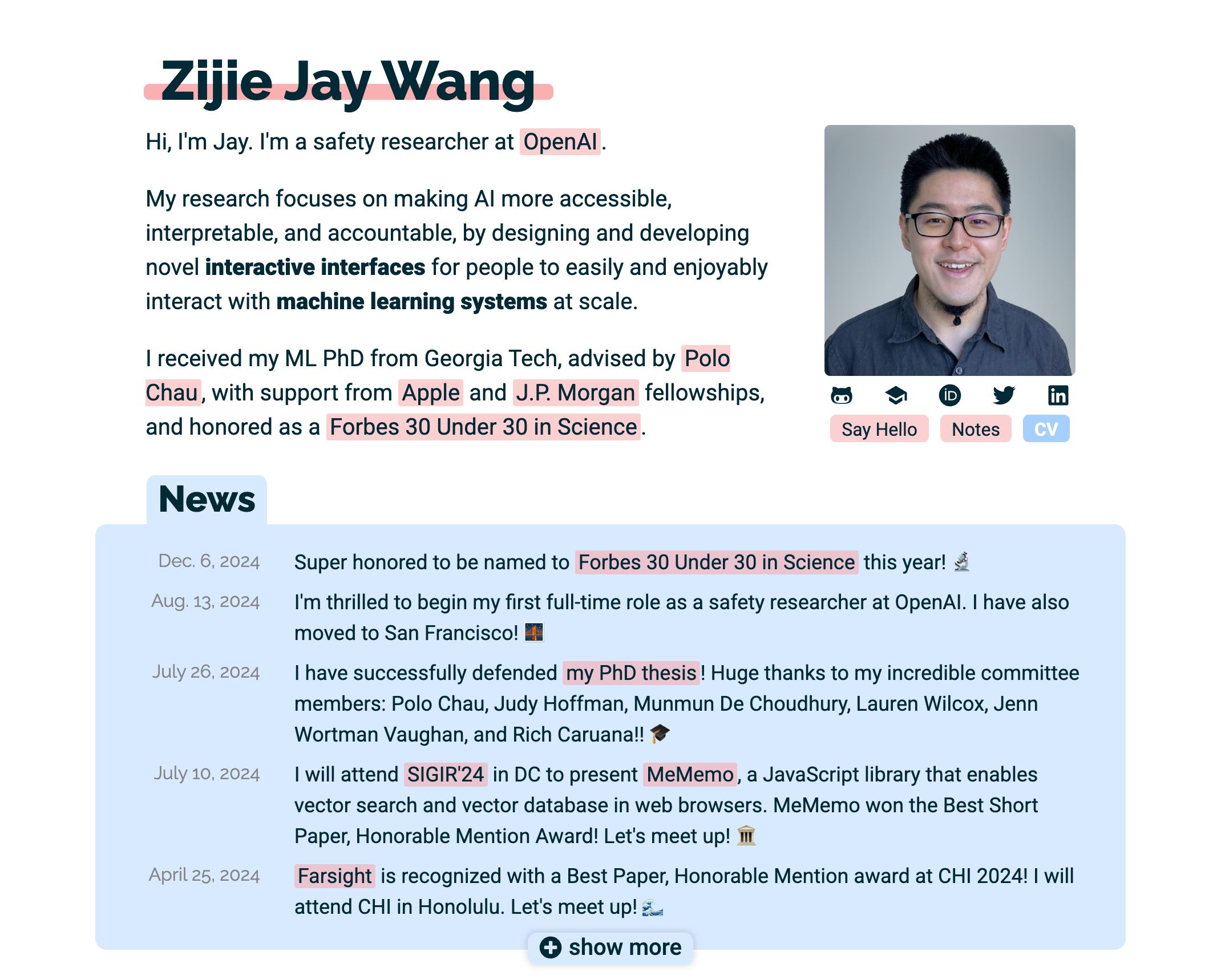
Farsighted-Fostering Responsable AI awarness during AI application prototypingWang · 2024Prompt-based interfaces for Large Language Models (LLMs) have made prototyping and building AI-powered applications easier than ever before. However, identifying potential harms that may arise from AI applications remains a challenge, particularly during ∗The work was done when the authors were at Google Research. This work is licensed under a Creative Commons Attribution 4.0 International License. CHI ’24, May 11–16, 2024, Honolulu, HI, USA © 2024 Copyright held by the owner/author(s). ACM ISBN 979-8-4007-0330-0/24/05. [https://doi.org/10.1145/3613904.3642335](https://doi.org/10.1145/3613904.3642335) prompt-based prototyping. To address this, we present Farsight, a novel in situ interactive tool that helps people identify potential harms from the AI applications they are prototyping. Based on a user’s prompt, Farsight highlights news articles about relevant AI incidents and allows users to explore and edit LLM-generated use cases, stakeholders, and harms. We report design insights from a co- design study with 10 AI prototypers and findings from a user study with 42 AI prototypers. After using Farsight, AI prototypers in our user study are better able to independently identify potential harms associated with a prompt and find our tool more useful and usable than existing resources. Their qualitative feedback also highlights that Farsight encourages them to focus on end-users and think beyond immediate harms. We discuss these findings and reflect on 1 arXiv:2402.15350v2 [cs.HC] 2 Jul 2024 CHI ’24, May 11–16, 2024, Honolulu, HI, USA Zijie J. Wang, et al. their implications for designing AI prototyping experiences that meaningfully engage with AI harms. Farsight is publicly accessible at: [https://pair-code.github.io/farsight](https://pair-code.github.io/farsight). CCS CONCEPTS • Human-centered computing →Interactive systems and tools; • Computing methodologies →Machine learning.
Unpacking Human-AI Interaction in Safety-Critical Industries: A Systematic Literature ReviewTita A.Bach · 2024Ensuring quality human-AI interaction (HAII) in safety-critical industries is essential. Failure to do so can lead to catastrophic and deadly consequences. Despite this urgency, existing research on HAII is limited, fragmented, and inconsistent. We present here a survey of that literature and recommendations for research best practices that should improve the field. We divided our investigation into the following areas: 1) terms used to describe HAII, 2) primary roles of AI-enabled systems, 3) factors that influence HAII, and 4) how HAII is measured. Additionally, we described the capabilities and maturity of the AI-enabled systems used in safety-critical industries discussed in these articles. We found that no single term is used across the literature to describe HAII and some terms have multiple meanings. According to our literature, seven factors influence HAII: user characteristics (e.g., user personality), user perceptions and attitudes (e.g., user biases), user expectations and experience (e.g., mismatched user expectations and experience), AI interface and features (e.g., interactive design), AI output (e.g., perceived accuracy), explainability and interpretability (e.g., level of detail, user understanding), and usage of AI (e.g., heterogeneity of environments). HAII is most measured with user-related subjective metrics (e.g., user perceptions, trust, and attitudes), and AI-assisted decision-making is the most common primary role of AI-enabled systems. Based on this review, we conclude that there are substantial research gaps in HAII. Researchers and developers need to codify HAII terminology, involve users throughout the AI lifecycle (especially during development), and tailor HAII in safety-critical industries to the users and environments. INDEX TERMS Artificial intelligence, humans, measurement, methods, safety, safety-critical, society, survey, systematic literature review, technology readiness level, user.
Toward an Interactive Reading Experience: Deep Learning Insights and Visual Narratives of Engagement and EmotionJayasankar Santhosh, Akshay Palimar Pai et al. · 2024Engagement and emotion are critical components that significantly influence a reader’s experience during a reading task. Despite the crucial role of engagement and emotions in shaping our reading experience, accurately tracking these dynamic states during actual reading remains a significant challenge. This study bridges this gap by detecting engagement and emotion levels during a reading task by leveraging the power of state-of-the-art deep learning models and investigating the correlations between the engagement levels and emotions. An experiment was conducted involving 18 university students reading 14 documents followed by a questionnaire to rate their levels of engagement, valence, and arousal after reading each document. A Tobii 4C eye-tracker with a pro license along with an Empatica E4 wristband were utilized to record behavioral and physiological data from the participants. A range of deep learning models were utilized for computing the engagement, valence, and arousal values, employing both user-independent and user- dependent methods. Our investigation revealed distinct yet complementary strengths in two deep learning models: Transformer excelled in user-independent detection of engagement and emotion with an accuracy of 80.38% (engagement), 71.28% (arousal) and 73.98% (valence) while ResNet shined in the user-dependent setting with an accuracy of 93.56% (engagement), 90.62% (arousal) and 88.70% (valence) which highlights the interplay between individual differences and reading dynamics. Intriguingly, we observed strong, document-specific correlations between engagement and emotion states, suggesting that different texts evoke unique affective responses. We developed an interactive dashboard visualizing predicted engagement and emotions, offering real-time feedback and personalized learning possibilities. The dashboard features an engagement gauge that displays the reader’s level of engagement based on predicted class probabilities, and an emotion emoji serving as a visual cue that illustrates the predicted emotional state of the reader. This technology can inform the design of dynamic interfaces that adjust to individual reading styles and emotional responses, potentially enhancing comprehension and involvement. INDEX TERMS Digital reading, physiological sensing, eye tracking, deep learning, affective state.
One Size Does Not Fit All: Multivariant User Interface Personalization in E-CommerceAdam Wasilewski · 2024One of the most visible manifestations of the changes brought about by the digitization of everyday life is undoubtedly the spread of electronic commerce. It is difficult to think of the digital economy without considering transactions through electronic channels. In turn, the user interface (UI) is the key to e- commerce, as it is usually the first and primary point of contact between business and consumer. A key trend in e-commerce is the personalization of communications, which can improve the user experience, increase customer satisfaction and deliver tangible business benefits. Today, it is technically possible to base this personalization on an analysis of user behavior using artificial intelligence and machine learning techniques. A common form of personalization in e-commerce is the use of product recommendation systems, but the user interface can be tailored much more extensively. The approach described and discussed in this paper is a multivariant user interface that allows the layout to be tailored to the characteristics, attributes, and behaviors of customer groups generated using machine learning techniques. The results of the research carried out make it possible to verify the practicality of the proposed solution and provide an opportunity to identify development directions that take into account the potential of artificial intelligence. The application of the concept described in the paper is broad, covering all aspects of e-commerce design that require compromises when serving a single UI variant, but allow flexibility and customization for different users when serving a multivariant UI. INDEX TERMS Artificial intelligence, e-commerce, machine learning, personalization, user interface.
Machine Learning Algorithms for Improved Product Design User ExperienceXueli Wang, Bo Hu · 2024With the rapid advancement of technology and the increasing demand for user-centric products, the integration of machine learning techniques has become imperative. This paper explores the transformative potential of integrating Particle Swarm Optimization (PSO), Deep Reinforcement Learning (DRL), and other machine learning algorithms such as neural networks, decision trees, and support vector machines into product design processes. Our novel hybrid framework leverages PSO’s global search capabilities and DRL’s adaptive learning to optimize product designs in a manner that traditional methods cannot achieve. By employing predictive modeling, clustering, and recommendation systems, designers can gain valuable insights into user needs and preferences, facilitating the creation of more intuitive and personalized products. We demonstrate that this integrated approach significantly improves design efficiency and user satisfaction. Key findings include a 25% reduction in design iteration time and a 30% increase in user satisfaction scores compared to traditional optimization methods. Additionally, our methodology provides a flexible and scalable solution adaptable to various product design contexts, showcasing its broad applicability and effectiveness. The incorporation of real-time feedback mechanisms allows for continuous refinement and adaptation of product designs to meet evolving user expectations. This study contributes to the field by presenting a comprehensive, multi-technique optimization framework that bridges existing gaps and sets a new standard for user-centric product design optimization. Ultimately, this research underscores the significance of embracing machine learning as a powerful tool for revolutionizing the product design landscape and delivering superior user experiences. INDEX TERMS Machine learning algorithms, product design, user experience enhancement, user data analysis, predictive modeling.
A Systematic Review of the Impact of Auxiliary Information on Recommender SystemsMatthew Ayemowa · 2024Recommender systems are essential tools that provide personalized user experiences across various domains such as e-commerce, entertainment, social media, education and content streaming. The integration of auxiliary information, including user demographics, item attributes, and contextual data has shown significant promise in enhancing the performance of recommender systems. This systematic review investigates the impact of incorporating auxiliary information into various types of recommender systems, examining recent advancements, methodologies, datasets, evaluation metrics, and to equally examine its significance on generative artificial intelligence. Similarly, five (5) reputable online databases were used to identify the relevant studies for answering our research questions. To obtain effective results of our findings, we focus more on the recent studies published between (2019 - June 2024) to ensure that of our findings up-to-date. After filtering the selected primary papers that solely focused on auxiliary information recommender systems a total of 37 papers were identified and analyzed. Our analysis shows the most utilized datasets, metrics, models, addressed issues and future works. Research limitations and future scope are also highlighted to assist researchers and practitioners for their future studies. INDEX TERMS Recommender systems, auxiliary information, data sparsity, cold start problem.
Designing Responsible AI: Adaptations of UX Practice to Meet Responsible AI ChallengesQiaosi Wang∗ · 2023Technology companies continue to invest in eforts to incorporate responsibility in their Artifcial Intelligence (AI) advancements, while eforts to audit and regulate AI systems expand. This shift towards Responsible AI (RAI) in the tech industry necessitates new practices and adaptations to roles—undertaken by a variety of prac­ titioners in more or less formal positions, many of whom focus on the user-centered aspects of AI. To better understand practices at the intersection of user experience (UX) and RAI, we conducted an interview study with industrial UX practitioners and RAI subject matter experts, both of whom are actively involved in addressing RAI concerns throughout the early design and development of new AI-based prototypes, demos, and products, at a large technology company. Many of the specifc practices and their associated chal­ lenges have yet to be surfaced in the literature, and distilling them ofers a critical view into how practitioners’ roles are adapting to meet present-day RAI challenges. We present and discuss three emerging practices in which RAI is being enacted and reifed in UX practitioners’ everyday work. We conclude by arguing that the emerging practices, goals, and types of expertise that surfaced in our study point to an evolution in praxis, with associated challenges that suggest important areas for further research in HCI. CCS CONCEPTS • Human-centered computing → Empirical studies in HCI;
Emoticontrol : Emotions-based Control of User-Interfaces AdaptationsKARTHIK VAIDHYANATHAN, IIIT Hyderaba · 2023Emotions are integral to human nature, and their existence, duration, and evolution could lead to specific behaviors. If emotions and behaviors are ignored in the design of socio-technical systems, they will fail or cause discomfort. User interfaces (UIs) are elements of interactive systems able to trigger or moderate emotions. UIs are increasingly designed adaptive to users' various characteristics, intending to improve their satisfaction, performance, and decisions. However, previous adaptation supervising approaches are not effectively adopted in real life since they neglect the dynamic behaviors of humans or systems. This paper proposes Emoticontrol, a quality-driven approach to adapting UIs to users' emotions using Model-Free Reinforcement Learning (MFRL). The approach aims to maximize applying the essential adaptations and minimize the unnecessary ones towards users' enhanced quality of experience (QoE). The approach also considers improving the software quality of service (QoS) by designing software architecture alternatives. We chose emergency evacuation training as a suitable evaluation domain since people experience intense emotions in potential danger. We performed experiments with a mobile application we developed that acts as a recommender system in evacuation training. By taking contextual input of the users' basic emotions from face recognition, the application intelligently adapts its UI to quickly lead people to safe areas while keeping them emotionally controlled. We consider software performance a crucial QoS; thus, we adopt and test architectures that facilitate an acceptable level of performance. The evaluation process confirms the efficiency and effectiveness of the MFRL in iterations, as well as compared to other UI adaptation techniques.
Human-Centered Artificial Intelligence: Designing for User Empowerment and Ethical ConsiderationsUsman Ahmad Usmani · 2023Human-Centered Artificial Intelligence (AI) focuses on AI systems prioritizing user empowerment and ethical considerations. We explore the importance of user- centric design principles and ethical guidelines in creating AI technologies that enhance user experiences and align with human values. It emphasizes user empowerment through personalized experiences and explainable AI, fostering trust and user agency. Ethical considerations, including fairness, transparency, accountability, and privacy protection, are addressed to ensure AI systems respect human rights and avoid biases. Effective human AI collaboration is emphasized, promoting shared decision-making and user control. By involving interdisciplinary collaboration, this research contributes to advancing human-centered AI, providing practical recommendations for designing AI systems that enhance user experiences, promote user empowerment, and adhere to ethical standards. It emphasizes the harmonious coexistence between humans and AI, enhancing well-being and autonomy and creating a future where AI technologies benefit humanity. Overall, this research highlights the significance of human-centered AI in creating a positive impact. By centering on users' needs and values, AI systems can be designed to empower individuals and enhance their experiences. Ethical considerations are crucial to ensure fairness and transparency. With effective collaboration between humans and AI, we can harness the potential of AI to create a future that aligns with human aspirations and promotes societal well-being.

Roles of artificial intelligence experience, information redundancy, and familiarity in shaping active learning: Insights from intelligent personal assistantsWang, Sun · 2023Artificial Intelligence (AI) is increasingly being integrated into educational settings, with Intelligent Personal Assistants (IPAs) playing a significant role. However, the psychological impact of these AI assistants on fostering active learning behaviors needs to be better understood. This research study addresses this gap by proposing a theoretical model to outline and predict active learning dynamics. Data was col- lected from 237 validated questionnaires and analyzed using partial least squares structural equation modeling. Our results confirm most hypotheses advanced in our model, and information redundancy has an unexpected negative and indirect influ- ence on active learning, while perceived familiarity and system quality are positive drivers. Crucial mediators such as perceived usefulness, ease of use, and conveni- ence significantly positively influence active learning outcomes. Interestingly, the relationship between perceived ease of use, perceived convenience, and active learn- ing is positively moderated by AI experience. The most striking and unexpected finding of this study is the preference of university students for familiar systems over high-tech learning methods. This result challenges the common belief that the younger generation is always eager to adopt the latest technology. Instead, our find- ings suggest that students value convenience and familiarity over novelty in learn- ing systems. This preference is reflected in their systematic evaluation, where con- venience and familiarity are considered top priorities. This study provides valuable insights into the potential of AI to enrich the learning experience, thus making it especially relevant to professionals interested in artificial intelligence in interna- tional business education.
Adaptive user interface for workflow-ERP systemMarcin Smereka, Grzegorz Kołaczek et al. · 2023In this paper, the problem of user interface recommendations for workflow management systems is investigated. The user interface is automatically adapted using a software tool based on content-based filtering. This tool collects information about the way processes are carried out in an organization, analyzes and processes the data, and recommends the next action to the user in order to increase efficiency, facilitate training, and improve decision-making. The proposed tool was verified in the real environment within three organizations. For each organization, after at least several weeks of learning, the tool was able to offer suggestions that were selected by real users. 2382 Marcin Smereka et al. / Procedia Computer Science 225 (2023) 2381–2391 The aim of the project carried out by Sente was to investigate the possibility of automatically analyzing user behavior in business software (especially ERP class) in order to automatically adapt the way processes are carried out to these behaviors using content-based filtering algorithms. A tool that would be able to collect information about the way processes are carried out in an organization, analyze and process the collected data and recommend the next action to the user could increase the efficiency of using the ERP system, and facilitate training and decision-making processes. 2. State of the art According to Kobsa [7], proper user model selection should be the starting point when designing the user inter- face. However, with the growing number of potential users, particularly in web-based systems, the differences among them are also increasing. Consequently, the user model is becoming more complex, resulting in a highly differentiated proposed user interface, such as in interaction styles. [14]. The user differences may reflex their demographical, psy- chological, sociological, and anthropological user characteristics, which have an influence on the users’ information needs, interaction habits, and potential limitations of the interaction systems usage. The consequence of these differ- ences is causing difficulties in modeling these users in the standard way [7], in a result more sophisticated solutions have been proposed, for example, one enhanced with the application of ontologies [12]. The ontologies may be used to enhance information systems design and development on at least several different levels, such as database integration, business logic, or Graphical User Interfaces (GUI) [8]. User interfaces have been also ado
Article UX Framework Including Imbalanced UX Dataset Reduction Method for Analyzing Interaction Trends of Agent SystemsAgent Systems. Sensors · 2023The performance of game AI can significantly impact the purchase decisions of users. User experience (UX) technology can evaluate user satisfaction with game AI by analyzing user interaction input through a user interface (UI). Although traditional UX-based game agent systems use a UX evaluation to identify the common interaction trends of multiple users, there is a limit to evaluating UX data, i.e., creating a UX evaluation and identifying the interaction trend for each individual user. The loss of UX data features for each user should be minimized and reflected to provide a personalized game agent system for each user. This paper proposes a UX framework for game agent systems in which a UX data reduction method is applied to improve the interaction for each user. The proposed UX framework maintains non-trend data features in the UX dataset where overfitting occurs to provide a personalized game agent system for each user, achieved by minimizing the loss of UX data features for each user. The proposed UX framework is applied to a game called “Freestyle” to verify its performance. By using the proposed UX framework, the imbalanced UX dataset of the Freestyle game minimizes overfitting and becomes a UX dataset that reflects the interaction trend of each user. The UX dataset generated from the proposed UX framework is used to provide customized game agents of each user to enhanced interaction. Furthermore, the proposed UX framework is expected to contribute to the research on UX-based personalized services.
Tracing and Visualizing Human-ML/AI Collaborative Processes through Artifacts of Data WorkJen Rogers · 2023Automated Machine Learning (AutoML) technology can lower bar- riers in data work yet still requires human intervention to be func- tional. However, the complex and collaborative process resulting from humans and machines trading off work makes it difficult to trace what was done, by whom (or what), and when. In this research, we construct a taxonomy of data work artifacts that captures Au- toML and human processes. We present a rigorous methodology for its creation and discuss its transferability to the visual design process. We operationalize the taxonomy through the development of AutoML Trace a visual interactive sketch showing both the con- text and temporality of human-ML/AI collaboration in data work. Finally, we demonstrate the utility of our approach via a usage sce- nario with an enterprise software development team. Collectively, our research process and findings explore challenges and fruitful avenues for developing data visualization tools that interrogate the sociotechnical relationships in automated data work. Availability of Supplemental Materials: https://osf.io/3nmyj/ ?view_only=19962103d58b45d289b5c83421f48b36 This work is licensed under a Creative Commons Attribution International 4.0 License. CHI ’23, April 23–28, 2023, Hamburg, Germany © 2023 Copyright held by the owner/author(s). ACM ISBN 978-1-4503-9421-5/23/04. https://doi.org/10.1145/3544548.3580819 CCS CONCEPTS • Human-centered computing →Visualization theory, concepts and paradigms; • Computing methodologies →Artificial intelli- gence.
User-Driven Constraints for Layout Optimisation in Augmented RealityAziz Niyazov · 2023Automatic layout optimisation allows users to arrange augmented reality content in the real-world environment without the need for tedious manual interactions. This optimisation is often based on modelling the intended content placement as constraints, defined as cost functions. Then, applying a cost minimization algorithm leads to a desirable placement. However, such an approach is lim- ited by the lack of user control over the optimisation results. In this paper we explore the concept of user-driven constraints for augmented reality layout optimisation. With our approach users can define and set up their own constraints directly within the real-world environment. We first present a design space composed of three dimensions: the constraints, the regions of interest and the constraint parameters. Then we explore which input gestures can be employed to define the user-driven constraints of our design space through a user elicitation study. Using the results of the study, we propose a holistic system design and implementation demon- strating our user-driven constraints, which we evaluate in a final user study where participants had to create several constraints at the same time to arrange a set of virtual contents. CCS CONCEPTS • Human-centered computing →Interactive systems and tools. ACM Reference Format: Aziz Niyazov, Barrett Ens, Kadek Ananta Satriadi, Nicolas Mellado, Loïc Barthe, Tim Dwyer, and Marcos Serrano. 2023. User-Driven Constraints Permission to make digital or hard copies of all or part of this work for personal or classroom use is granted without fee provided that copies are not made or distributed for profit or commercial advantage and that copies bear this notice and the full citation on the first page. Copyrights for components of this work owned by others than the author(s) must be honored. Abstracting with credit is permitted. To copy otherwise, or republish, to post on servers or to redistribute to lists, requires prior specific permission and/or a fee. Request permissions from permissions@acm.org. CHI ’23, April 23–28, 2023, Hamburg, Germany © 2023 Copyright held by the owner/author(s). Publication rights licensed to ACM. ACM ISBN 978-1-4503-9421-5/23/04...$15.00 https://doi.org/10.1145/3544548.3580873 for Layout Optimisation in Augmented Reality. In Proceedings of the 2023 CHI Conference on Human Factors in Computing Systems (CHI ’23), April 23–28, 2023, Hamburg, Germany. ACM, New York, NY, USA, 16 pages. https: //doi.org/10.1145/3544
User Interface and Architecture Adaption Based onMahyar T. Moghaddam∗, Mina Alipour et al. · 2023This paper shows how emotions and behavior considerations in socio-technical systems lead to high-quality self-adaptations, both at application and architecture levels. In our approach, an interactive control system assesses the reconfigurations that enhance the quality of service (QoS) while considering humans’ quality of experience (QoE). We use a Model-Free Reinforcement Learning (MFRL) approach to self- adapt user interfaces (UIs) to users’ emotions. The approach aims to maximize applying the essential adaptations and minimize the unnecessary ones towards users’ QoE, i.e., task comple- tion and satisfaction. If the control system detects a drop in QoS in emotion-based adaptations or other functions, another level of adaptation reconfigures the architecture towards better quality. We chose emergency evacuation training as a suitable evaluation domain since people experience intense emotions in such potential danger. We performed experiments with a mobile application we developed that acts as a recommender system in emergency training. By taking contextual input of the users’ basic emotions from face recognition and their mobility behavior, the application intelligently adapts its UI to quickly lead people to safe areas while keeping them emotionally stable. In addition to UI adaptation, the system is capable of architecture-level adaptations to decrease response time if required. The evaluation process confirms the efficiency of the MFRL in iterations, as well as compared to other possible UI adaptation techniques. The emerging results also show that architecture-level adaptations positively impact the system performance and users’ emotions and performance. Index Terms—Software Architecture, Emotions, Behaviors, Reinforcement Learning, User Interface, Emergency.
InteractionAdapt: Interaction-driven Workspace Adaptation for Situated Virtual Reality EnvironmentsYi Fei Cheng · 2023Virtual Reality (VR) has the potential to transform how we work: it enables fexible and personalized workspaces beyond what is possi­ ble in the physical world. However, while most VR applications are designed to operate in a single empty physical space, work environ­ ments are often populated with real-world objects and increasingly diverse due to the growing amount of work in mobile scenarios. In this paper, we present InteractionAdapt, an optimization-based method for adapting VR workspaces for situated use in varying everyday physical environments, allowing VR users to transition between real-world settings while retaining most of their personal­ ized VR environment for efcient interaction to ensure temporal consistency and visibility. InteractionAdapt leverages physical afor­ dances in the real world to optimize UI elements for the respectively most suitable input technique, including on-surface touch, mid-air touch and pinch, and cursor control. Our optimization term thereby models the trade-of across these interaction techniques based on Permission to make digital or hard copies of all or part of this work for personal or classroom use is granted without fee provided that copies are not made or distributed for proft or commercial advantage and that copies bear this notice and the full citation on the frst page. Copyrights for components of this work owned by others than the author(s) must be honored. Abstracting with credit is permitted. To copy otherwise, or republish, to post on servers or to redistribute to lists, requires prior specifc permission and/or a fee. Request permissions from permissions@acm.org. UIST ’23, October 29–November 01, 2023, San Francisco, CA, USA © 2023 Copyright held by the owner/author(s). Publication rights licensed to ACM. ACM ISBN 979-8-4007-0132-0/23/10...$15.00 https://doi.org/10.1145/3586183.3606717 experimental fndings of 3D interaction in situated physical envi­ ronments. Our two evaluations of InteractionAdapt in a selection task and a travel planning task established its capability of support­ ing efcient interaction, during which it produced adapted layouts that participants preferred to several baselines. We further show­ case the versatility of our approach through applications that cover a wide range of use cases. CCS CONCEPTS • Human-centered computing → Mixed / augmented reality; Virtual reality; User interface management systems.
Zero-shot multitask intent and emotion prediction from multimodal data: A benchmark studyMauajama Firdaus b, Dushyant Singh Chauhan c · 2023Empathy involves comprehending and sharing the emotions of another person. In the realm of conversational AI, empathy pertains to the AI’s capacity to understand and respond suitably to the user’s emotions and needs. Conversational AI with empathetic capabilities can heighten the user experience by making interactions more personalized and natural. At present, machine learning algorithms are commonly utilized in existing conversational AI systems to recognize emotions and corresponding empathetic intents from annotated data. Nonetheless, this approach is not without limitations, being expensive and time-consuming. Our present work takes a holistic approach to empathy in conversational AI, where we propose a novel zero-shot multitask framework, the Zero-shot Intent Emotion Detection (ZIED) network, identifies both emotions and intents in a multimodal setting. We developed an end-to-end model that concurrently captures textual, audio, and visual representations and integrates the different modalities using cross-attention mechanisms. Our experimental results, based on the EmoInt-MD dataset, show that incorporating all three modalities results in the best performance for both emotion and empathetic intent detection. We observed a noteworthy improvement of over 6% and 4% for intent and emotion, respectively, for various ratios of seen and unseen classes.
Predicting the Need for XAI from High-Granularity Interaction DataVagner Figueredo de Santana, Ana Fucs et al. · 2023Recent advances in Artificial Intelligence (AI) and Machine Learning (ML) brought light on the need for explainability in multiple domains (e.g., healthcare, finance, justice, and recruiting). Explainability or Explainable AI (XAI) can be defined as everything that makes AI more understandable to human beings. However, XAI features may vary according to the AI algorithm used. Beyond XAI features, different AI algorithms vary in terms of speed, performance, and costs associated with training/running models. Knowing when to choose the right algorithm for the task at hand, therefore, is fundamental in multiple AI systems, for instance, AutoML and AutoAI. In this paper, we propose a method to analyze patterns of high-granularity user interface (UI) events (i.e., mouse, keyboard, and additional custom events triggered on the millisecond scale) to predict when users will interact with UI elements that provide explainability for the AI in place. In this context, this paper presents: (1) a user study involving 37 participants (7 in the pilot phase and 30 in the main experiment phase) in which people performed a task of reporting a bug using a text form associated with an AI data quality meter and its XAI UI element and (2) an approach to model micro behavior using 𝑛𝑜𝑑𝑒2𝑣𝑒𝑐 to predict when the interaction with XAI UI element will occur. The proposed approach uses a rich dataset (approximately 129k events) and combines 𝑛𝑜𝑑𝑒2𝑣𝑒𝑐and a Logistic Regression classifier. Results obtained show we have obtained an event-by-event prediction of the interaction with XAI with an average F-score of 0.90 (𝜎= 0.06). From the presented results, one expects to support researchers in the realm of UI personalization to consider high-granularity interaction data when predicting the need for XAI while users are interacting with AI model outputs.
Toward Changing Users behavior with Emotion-based Adaptive SystemsMina Alipour · 2023Interactive computer systems’ designers emphasize the importance of considering humans, their emotions, and behaviors as first-class entities. Emotions are integral parts of human nature, and ignor- ing that can lead the interactive systems to failure, low quality, or discomfort. User interfaces (UIs) are increasingly becoming adap- tive to users’ various characteristics, intending to improve users’ satisfaction, performance, and decisions. However, the previous approaches proposed for supervising such adaptations are not effec- tively adopted in real-life problems. This paper proposes the novel approach to adapting UIs to users’ emotions using Model-Free Re- inforcement Learning (MFRL). The approach aims to maximize applying the essential adaptations and minimize the unnecessary ones towards users’ task completion and satisfaction. We chose emergency evacuation training as a suitable evaluation domain since people experience intense emotions in potential danger. We performed experiments with a mobile application we developed that acts as a recommender system in emergency training. By taking contextual input of the users’ basic emotions from face recognition, the application intelligently adapts its UI to quickly lead people to safe areas while arousing target emotions. The research includes lit- erature analysis, surveys, and further adopting an iterative process in implementation and experimentation. The evaluation process confirms the efficiency and effectiveness of the MFRL in iterations, as well as compared to other possible UI adaptation techniques, i.e., rule-based and sequential adaptation.
Artificial Intelligence-Based Human–Computer Interaction Technology Applied in Consumer Behavior Analysis and Experiential EducationYanmin Li · 2022Li Y, Zhong Z, Zhang F and Zhao X (2022) Artificial Intelligence-Based Human–Computer Interaction Technology Applied in Consumer Behavior Analysis and Experiential Education. Front. Psychol. 13:784311. doi: 10.3389/fpsyg.2022.784311 In the course of consumer behavior, it is necessary to study the relationship between the characteristics of psychological activities and the laws of behavior when consumers acquire and use products or services. With the development of the Internet and mobile terminals, electronic commerce (E-commerce) has become an important form of consumption for people. In order to conduct experiential education in E-commerce combined with consumer behavior, courses to understand consumer satisfaction. From the perspective of E-commerce companies, this study proposes to use artificial intelligence (AI) image recognition technology to recognize and analyze consumer facial expressions. First, it analyzes the way of human–computer interaction (HCI) in the context of E-commerce and obtains consumer satisfaction with the product through HCI technology. Then, a deep neural network (DNN) is used to predict the psychological behavior and consumer psychology of consumers to realize personalized product recommendations. In the course education of consumer behavior, it helps to understand consumer satisfaction and make a reasonable design. The experimental results show that consumers are highly satisfied with the products recommended by the system, and the degree of sanctification reaches 93.2%. It is found that the DNN model can learn consumer behavior rules during evaluation, and its prediction effect is increased by 10% compared with the traditional model, which confirms the effectiveness of the recommendation system under the DNN model. This study provides a reference for consumer psychological behavior analysis based on HCI in the context of AI, which is of great significance to help understand consumer satisfaction in consumer behavior education in the context of E-commerce.
ScalAR: Authoring Semantically Adaptive Augmented Reality Experiences in Virtual RealityXun Qian · 2022Augmented Reality (AR) experiences tightly associate virtual con- tents with environmental entities. However, the dissimilarity of different environments limits the adaptive AR content behaviors under large-scale deployment. We propose ScalAR, an integrated workflow enabling designers to author semantically adaptive AR ex- periences in Virtual Reality (VR). First, potential AR consumers col- lect local scenes with a semantic understanding technique. ScalAR then synthesizes numerous similar scenes. In VR, a designer au- thors the AR contents’ semantic associations and validates the design while being immersed in the provided scenes. We adopt a decision-tree-based algorithm to fit the designer’s demonstrations as a semantic adaptation model to deploy the authored AR expe- rience in a physical scene. We further showcase two application scenarios authored by ScalAR and conduct a two-session user study where the quantitative results prove the accuracy of the AR content rendering and the qualitative results show the usability of ScalAR. This work is licensed under a Creative Commons Attribution International 4.0 License. CHI ’22, April 29-May 5, 2022, New Orleans, LA, USA © 2022 Copyright held by the owner/author(s). ACM ISBN 978-1-4503-9157-3/22/04. https://doi.org/10.1145/3491102.3517665 CCS CONCEPTS • Human-centered computing →Mixed / augmented reality; Virtual reality; Interactive systems and tools.
A review of AI teaching and learning from 2000 to 2020Davy Tsz Kit Ng, Min Lee et al. · 2022In recent years, with the popularity of AI technologies in our everyday life, research- ers have begun to discuss an emerging term “AI literacy”. However, there is a lack of review to understand how AI teaching and learning (AITL) research looks like over the past two decades to provide the research basis for AI literacy education. To summarize the empirical findings from the literature, this systematic literature review conducts a thematic and content analysis of 49 publications from 2000 to 2020 to pave the way for recent AI literacy education. The related pedagogical mod- els, teaching tools and challenges identified help set the stage for today’s AI literacy. The results show that AITL focused more on computer science education at the uni- versity level before 2021. Teaching AI had not become popular in K-12 classrooms at that time due to a lack of age-appropriate teaching tools for scaffolding support. However, the pedagogies learnt from the review are valuable for educators to reflect how they should develop students’ AI literacy today. Educators have adopted collab- orative project-based learning approaches, featuring activities like software develop- ment, problem-solving, tinkering with robots, and using game elements. However, most of the activities require programming prerequisites and are not ready to scaf- fold students’ AI understandings. With suitable teaching tools and pedagogical sup- port in recent years, teaching AI shifts from technology-oriented to interdisciplinary design. Moreover, global initiatives have started to include AI literacy in the lat- est educational standards and strategic initiatives. These findings provide a research foundation to inform educators and researchers the growth of AI literacy education that can help them to design pedagogical strategies and curricula that use suitable technologies to better prepare students to become responsible educated citizens for today’s growing AI economy.
Is trust in artificial intelligence systems related to user personality? Review of empirical evidence and future research directionsRene Riedl · 2022Artificial intelligence (AI) refers to technologies which support the execution of tasks normally requiring human intelligence (e.g., visual perception, speech recognition, or decision-making). Examples for AI systems are chatbots, robots, or autono- mous vehicles, all of which have become an important phenomenon in the economy and society. Determining which AI system to trust and which not to trust is critical, because such systems carry out tasks autonomously and influence human- decision making. This growing importance of trust in AI systems has paralleled another trend: the increasing understanding that user personality is related to trust, thereby affecting the acceptance and adoption of AI systems. We developed a frame- work of user personality and trust in AI systems which distinguishes universal personality traits (e.g., Big Five), specific personality traits (e.g., propensity to trust), general behavioral tendencies (e.g., trust in a specific AI system), and specific behaviors (e.g., adherence to the recommendation of an AI system in a decision-making context). Based on this framework, we reviewed the scientific literature. We analyzed N = 58 empirical studies published in various scientific disciplines and developed a “big picture” view, revealing significant relationships between personality traits and trust in AI systems. However, our review also shows several unexplored research areas. In particular, it was found that prescriptive knowledge about how to design trustworthy AI systems as a function of user personality lags far behind descriptive knowledge about the use and trust effects of AI systems. Based on these findings, we discuss possible directions for future research, including adaptive systems as focus of future design science research.
Real-Time Adaptation of Context-Aware Intelligent User Interfaces, for Enhanced Situational AwarenessZinova Stefanidi, George Margetis · 2022In this work, a novel computational approach for the dynamic adaptation of User Inter- faces (UIs) is proposed, which aims at enhancing the Situational Awareness (SA) of users by leveraging the current context and providing the most useful information, in an optimal and efficient manner. By combining Ontology modeling and reasoning with Combinatorial Optimization, the system decides what information to present, when to present it, where to visualize it in the display - and how, taking into consideration contextual factors as well as placement constraints. The main objective of the proposed approach is to optimize the SA associated with the displayed UI at run-time, while avoiding information overload and induced stress. In the context of this work, we have deployed our computational approach to the use case of an Augmented Reality (AR) system for Law Enforcement Agents (LEAs). To explore the benefits and limitations of the developed system, two evaluations have been conducted. The first one was an expert-based evaluation with LEAs and User Experience (UX) experts, assessing the appropriateness of the system’s decisions. The second one was a user-based evaluation involving LEAs from different agencies, estimating the SA, the mental workload and the overall UX associated with the system, through an AR simulation. The results indicate that the system enhances SA, and while not imposing workload, it provides an overall positive UX. INDEX TERMS Adaptive user interfaces, augmented reality, context-awareness, intelligent user interfaces, ontology modeling, ontology reasoning, situational awareness, user interface optimization.
AUIT – the Adaptive User Interfaces Toolkit for Designing XR ApplicationsAnna Maria Feit · 2022Adaptive user interfaces can improve experiences in Extended Re­ ality (XR) applications by adapting interface elements according to the user’s context. Although extensive work explores diferent adaptation policies, XR creators often struggle with their imple­ mentation, which involves laborious manual scripting. The few available tools are underdeveloped for realistic XR settings where it is often necessary to consider conficting aspects that afect an adap­ tation. We fll this gap by presenting AUIT, a toolkit that facilitates the design of optimization-based adaptation policies. AUIT allows creators to fexibly combine policies that address common objec­ tives in XR applications, such as element reachability, visibility, and consistency. Instead of using rules or scripts, specifying adaptation policies via adaptation objectives simplifes the design process and This work is licensed under a Creative Commons Attribution International 4.0 License. UIST ’22, October 29-November 2, 2022, Bend, OR, USA © 2022 Copyright held by the owner/author(s). ACM ISBN 978-1-4503-9320-1/22/10. https://doi.org/10.1145/3526113.3545651 enables creative exploration of adaptations. After creators decide which adaptation objectives to use, a multi-objective solver fnds appropriate adaptations in real-time. A study showed that AUIT allowed creators of XR applications to quickly and easily create high-quality adaptations. CCS CONCEPTS • Human-centered computing → Systems and tools for in­ teraction design; Gestural input; Mixed / augmented reality; Virtual reality; User interface toolkits.
Service-Aware Personalized Item RecommendationReceived February · 2022Current recommender systems employ item-centric properties to estimate ratings and present the results to the user. However, recent studies highlight the fact that the stages of item fruition also involve extrinsic factors, such as the interaction with the service provider before, during and after item selection. In other words, a holistic view of consumer experience, including local properties of items, as well as consumers’ perceptions of item fruition, should be adopted to enhance user awareness and decision-making. In this work, we integrate recommender systems with service models to reason about the different stages of item fruition. By exploiting the Service Journey Maps to define service-based item and user profiles, we develop a novel family of recommender systems that evaluate items by taking preference management and overall consumer experience into account. Moreover, we introduce a two-level visual model to provide users with different information about recommendation results: (i) the higher level summarizes consumer experience about items and supports the identification of promising suggestions within a possibly long list of results; (ii) the lower level enables the exploration of detailed data about the local properties of items. In a user test instantiated in the home-booking domain, we compared our models to standard recommender systems. We found that the service-based algorithms that only use item fruition experience excel in ranking and minimize the error in rating estimation. Moreover, the combination of data about item fruition experience and item properties achieves slightly lower recommendation performance; however, it enhances users’ perceptions of the awareness and the decision-making support provided by the system. These results encourage the adoption of service-based models to summarize user preferences and experience in recommender systems. INDEX TERMS Information filtering, recommender systems, data visualization, service modeling.
How Designers Find Their Ways in Shaping Algorithmic SystemsJeremie Poiroux · 2022Digital products and services now commonly include algorithmic personalization or recommendation features. This has raised concerns of reduced user agency and their unequal treat- ment. Previous research hence called for increasing the participation of, among others, designers in the development of these features. To achieve this, researchers have suggested the development of better educational material and tools to enable prototyping with data and machine learning models. However, previous studies also suggest designers may find other ways to impact the development and implementation of such features, for instance through collaboration with data scientists. We build on that line of inquiry, through 19 in-depth interviews with designers working in small to large international companies to investigate how they actually intervene in shaping products includ- ing algorithmic features. We outline how designers intervene at different levels of the algorithmic systems: at a technical level, for instance by providing better input data ; at an interface or infor- mation architecture level, sometimes circumventing algorithmic discussions ; or at a organizational level, re-centering the outcome of algorithmic systems around product-centric questions. Building upon these results, we discuss how supporting designers engagement and influence on algorithmic systems may not only be a problem of technical literacy and adequate tooling. But that it may also involve a better awareness of the power of interface work, and a stronger negotiation skills and power literacy to engage in strategic discussions. Key Words: Agency, Artificial intelligence, Interventions, Machine learning, Design, User expe- rience, Algorithmic systems (2024) 33:173–204 J´er´emie Poiroux et al.
Model-based intelligent user interface adaptation: challenges and future directionsSilvia Abrahao · 2021Adapting the user interface of a software system to the requirements of the context of use continues to be a major challenge, particularly when users become more demanding in terms of adaptation quality. A considerable number of methods have, over the past three decades, provided some form of modelling with which to support user interface adaptation. There is, however, a crucial issue as regards in analysing the concepts, the underlying knowledge, and the user experience afforded by these methods as regards comparing their benefits and shortcomings. These methods are so numerous that positioning a new method in the state of the art is challenging. This paper, therefore, defines a conceptual reference framework for intelligent user interface adaptation containing a set of conceptual adaptation properties that are useful for model-based user interface adaptation. The objective of this set of properties is to understand any method, to compare various methods and to generate new ideas for adaptation. We also analyse the opportunities that machine learning techniques could provide for data processing and analysis in this context, and identify some open challenges in order to guarantee an appropriate user experience for end-users. The relevant literature and our experience in research and industrial collaboration have been used as the basis on which to propose future directions in which these challenges can be addressed.
Adapting User Interfaces with Model-based Reinforcement LearningKashyap Todi · 2021Adapting an interface requires taking into account both the positive and negative efects that changes may have on the user. A carelessly picked adaptation may impose high costs to the user – for example, due to surprise or relearning efort – or “trap” the process to a suboptimal design immaturely. However, efects on users are hard to predict as they depend on factors that are latent and evolve over the course of interaction. We propose a novel approach for adaptive user interfaces that yields a conservative adaptation policy: It fnds benefcial changes when there are such and avoids changes when there are none. Our model-based reinforcement learning Permission to make digital or hard copies of all or part of this work for personal or classroom use is granted without fee provided that copies are not made or distributed for proft or commercial advantage and that copies bear this notice and the full citation on the frst page. Copyrights for components of this work owned by others than ACM must be honored. Abstracting with credit is permitted. To copy otherwise, or republish, to post on servers or to redistribute to lists, requires prior specifc permission and/or a fee. Request permissions from permissions@acm.org. CHI ’21, May 8–13, 2021, Yokohama, Japan © 2021 Association for Computing Machinery. ACM ISBN 978-1-4503-8096-6/21/05...$15.00 https://doi.org/10.1145/3411764.3445497 method plans sequences of adaptations and consults predictive HCI models to estimate their efects. We present empirical and simulation results from the case of adaptive menus, showing that the method outperforms both a non-adaptive and a frequency-based policy. CCS CONCEPTS • Human-centered computing → Interactive systems and tools.
Visual, textual or hybrid: the effect of user expertise on different explanationsMaxwell Szymanski · 2021As the use of AI algorithms keeps rising continuously, so does the need for their transparency and accountability. However, literature often adopts a one-size-fits-all approach for developing explana- tions when in practice, the type of explanations needed depends on the type of end-user. This research will look at user expertise as a variable to see how different levels of expertise influence the under- standing of explanations. The first iteration consists of developing two common types of explanations (visual and textual explana- tions) that explain predictions made by a general class of predictive model learners. These explanations are then evaluated by users of different expertise backgrounds to compare the understanding and ease-of-use of each type of explanation with respect to the different expertise groups. Results show strong differences between experts and lay users when using visual and textual explanations, as well as lay users having a preference for visual explanations which they perform significantly worse with. To solve this problem, the second iteration of this research focuses on the shortcomings of the first two explanations and tries to minimize the difference in understanding between both expertise groups. This is done through the means of developing and testing a candidate solution in the form of hybrid explanations, which essentially combine both visual and textual explanations. This hybrid form of explanations shows a significant improvement in terms of correct understanding (for lay users in particular) when compared to visual explanations, whilst not compromising on ease-of-use at the same time. CCS CONCEPTS • Human-centered computing →Empirical studies in visualiza- tion; User studies; User models; • Information systems →De- cision support systems; • Computing methodologies →Arti- ficial intelligence.
X5Learn: A Personalised Learning Companion at the Intersection of AI and HCIMaría Pérez-Ortiz, Claire Dormann et al. · 2021X5Learn (available at https://x5learn.org) is a human-centered AI- powered platform for supporting access to free online educational resources. X5Learn provides users with a number of educational tools for interacting with open educational videos, and a set of tools adapted to suit the pedagogical preferences of users. It is intended to support both teachers and students, alike. For teachers, it provides a powerful platform to reuse, revise, remix, and redistribute open courseware produced by others. These can be videos, pdfs, exercises and other online material. For students, it provides a scaffolded and informative interface to select content to watch, read, make notes and write reviews, as well as a powerful personalised recommenda- tion system that can optimise learning paths and adjust to the user’s learning preferences. What makes X5Learn stand out from other educational platforms, is how it combines human-centered design with AI algorithms and software tools with the goal of making it intuitive and easy to use, as well as making the AI transparent to the user. We present the core search tool of X5Learn, intended to support exploring open educational materials. Permission to make digital or hard copies of part or all of this work for personal or classroom use is granted without fee provided that copies are not made or distributed for profit or commercial advantage and that copies bear this notice and the full citation on the first page. Copyrights for third-party components of this work must be honored. For all other uses, contact the owner/author(s). IUI ’21 Companion, April 14–17, 2021, College Station, TX, USA © 2021 Copyright held by the owner/author(s). ACM ISBN 978-1-4503-8018-8/21/04. https://doi.org/10.1145/3397482.3450721 CCS CONCEPTS • Information systems →Users and interactive retrieval; Per- sonalization; Recommender systems; Search interfaces; • Ap- plied computing →Interactive learning environments.
Anchoring Bias Affects Mental Model Formation and User Reliance in Explainable AI SystemsMahsan Nourani · 2021EXplainable Artificial Intelligence (XAI) approaches are used to bring transparency to machine learning and artificial intelligence models, and hence, improve the decision-making process for their end-users. While these methods aim to improve human understand- ing and their mental models, cognitive biases can still influence a user’s mental model and decision-making in ways that system de- signers do not anticipate. This paper presents research on cognitive biases due to ordering effects in intelligent systems. We conducted a controlled user study to understand how the order of observing sys- tem weaknesses and strengths can affect the user’s mental model, task performance, and reliance on the intelligent system, and we investigate the role of explanations in addressing this bias. Using an explainable video activity recognition tool in the cooking domain, we asked participants to verify whether a set of kitchen policies are being followed, with each policy focusing on a weakness or a strength. We controlled the order of the policies and the presence of explanations to test our hypotheses. Our main finding shows that those who observed system strengths early-on were more prone to automation bias and made significantly more errors due to positive first impressions of the system, while they built a more accurate mental model of the system competencies. On the other hand, those who encountered weaknesses earlier made significantly fewer er- rors since they tended to rely more on themselves, while they also underestimated model competencies due to having a more negative first impression of the model. Our work presents strong findings that aim to make intelligent system designers aware of such biases when designing such tools. Permission to make digital or hard copies of all or part of this work for personal or classroom use is granted without fee provided that copies are not made or distributed for profit or commercial advantage and that copies bear this notice and the full citation on the first page. Copyrights for components of this work owned by others than ACM must be honored. Abstracting with credit is permitted. To copy otherwise, or republish, to post on servers or to redistribute to lists, requires prior specific permission and/or a fee. Request permissions from permissions@acm.org. IUI ’21, April 14–17, 2021, College Station, TX, USA © 2021 Association for Computing Machinery. ACM ISBN 978-1-4503-8017-1/21/04...$15.00 https://doi.org/10.1145/3397481.34
Physiology-based personalization of persuasive technology: a user modeling perspectiveSpelt · 2021Persuasive technology (PT) can assist in behavior change. PT systems often rely on user models, based on behavior and self-report data, to personalize their function- alities and thereby increase efficiency. This review paper shows how physiological measurements could be used to further improve user models for personalization of PT by means of bio-cybernetic loops and data-driven approaches. Furthermore, we outline the advantages of using physiological measures for personalization compared to self-report and behavior measurement. Additionally, we show how two types of physiological information—physiological states and physiological reactivity—can be relevant for PT adaptations. To illustrate this, we present a model with two types of physiology-based PT adaptations as part of a bio-cybernetic loop; state-based and reactivity-based. Next, we discuss the implications of physiology-aware PT for per- suasive design and theory. And lastly, because of the potential impact of such systems, we also consider important ethical implications of physiology-aware PT. B Hanne A. A. Spelt [hanne.spelt@philips.com](mailto:hanne.spelt@philips.com); [h.a.a.spelt@tue.nl](mailto:h.a.a.spelt@tue.nl) Joyce H. D. M. Westerink [joyce.westerink@philips.com](mailto:joyce.westerink@philips.com); [j.h.d.m.westerink@tue.nl](mailto:j.h.d.m.westerink@tue.nl) Lily Frank [l.e.frank@tue.nl](mailto:l.e.frank@tue.nl) Jaap Ham [j.r.c.ham@tue.nl](mailto:j.r.c.ham@tue.nl) Wijnand A. IJsselsteijn [w.a.ijsselsteijn@tue.nl](mailto:w.a.ijsselsteijn@tue.nl) 1 Digital Engagement, Cognition & Behavior Group, Philips Research, High Tech Campus 34, 5656 AE Eindhoven, The Netherlands 2 Human-Technology Interaction Group, Faculty Industrial Engineering & Innovation Sciences, Eindhoven University of Technology, Postbus 513, 5600 MB Eindhoven, The Netherlands 3 Philosophy & Ethics Group, Faculty Industrial Engineering & Innovation Sciences, Eindhoven University of Technology, Postbus 513, 5600 MB Eindhoven, The Netherlands 123 134 H. A. A. Spelt et al.
Interactive Music Genre Exploration with Visualization and Mood ControlYu Liang · 2021Recommender systems can be used to help users discover novel items and explore new tastes, for example in music genre explo- ration. However, little work has studied how to improve users’ understandability and acceptance of the novel items as well as sup- port users to explore a new domain. In this paper, we investigate how two different visualizations and mood control influence the perceived control, informativeness and understandability of a mu- sic genre exploration tool, and further to improve the helpfulness for new music genre exploration. Specifically, we compare a bar chart visualization used by earlier work to a contour plot which allows users to compare their musical preferences with both the recommended tracks as well as the new genre. Mood control is implemented with two sliders to set a preferred mood on energy and valence features (that correlate with psychological mood di- mensions). In the online user study, mood control was manipulated between subjects, and the visualizations were compared within subjects. During the study (N=102), we measured users’ subjective perceptions, experiences and the interactions with the system. Our results show that the contour plot visualization is perceived more helpful to explore new genres than the bar chart visualization, as the contour plot is perceived to be more informative and under- standable. Users spent significantly more time and used the mood control more in the contour plot than in the bar chart visualiza- tion. Overall, our results show that the contour plot visualization combined with mood control serves as the most helpful way for new music genre exploration, because the mood control is easier to understand and use when made transparent via an informative visualization. CCS CONCEPTS • Human-centered computing →User studies; Information visualization; User interface design; • Information systems → Recommender systems; Personalization. IUI ’21, April 14–17, 2021, College Station, TX, USA © 2021 Copyright held by the owner/author(s). ACM ISBN 978-1-4503-8017-1/21/04. https://doi.org/10.1145/3397481.3450700
User Context Ontology for Adaptive Mobile-Phone InterfacesReceived June · 2021The Adaptive User Interface (AUI) adapts to the changes in the context of use and provides improved interaction abilities for different users. The adaptivity in the user interfaces requires in depth knowledge of context. There is a need to enrich user profiles to achieve the personalized services with the ability to adapt the user’s context. The context can be reflected in a particular kind of knowledge and hence modeled as ontology. Ontology based context models are effective means to handle complex situations that support the sharing or integration of context information. This paper presents ontology based context model using OWL for adaptive mobile devices. It models the context over its four major elements including device, user, environment (location and time) and activity. The proposed ontology was derived in different classes, relationships, associations, dependencies and constraints to model dynamic context. Ontologies present a standardized, consistent and shareable context model. The context model and consequent context snapshots can be acknowledged by AUI to present a suitable user interface. The ontology was developed using Protégé on the basis of each context type having different values. Semantic querying (SPARQL) was used for knowledge acquisition. Moreover, the Pellet and HermiT Reasoner were used to verify the rules, relations and constraints to avoid the inconsistency between classes. Comparative to other context models for adaptive interfaces, ontological model provides more of scalability and growth with learning new context in to the shared context knowledge. INDEX TERMS Adaptive user interface, context aware interface, ontology driven interfaces, knowledge representation, knowledge engineering.

PRIME: A Personalized Recommender System for Information Visualization Methods via Extended Matrix CompletionChen, Lau · 2021Adapting user interface designs for specific tasks performed by different users is a challenging yet important problem. Automatically adapting visualization designs to users and contexts (e.g., tasks, display devices, environments, etc.) can theoretically improve human–computer interaction to acquire insights from complex datasets. However, effectiveness of any specific visualization is moderated by individual differences in knowledge, skills, and abilities for different contexts. A modeling framework called Personalized Recommender System for Information visualization Methods via Extended matrix completion (PRIME) is proposed for recommending the optimal visualization designs for individual users in different contexts. PRIME quantitatively models covariates (e.g., psychological and behavioral measurements) to predict recommendation scores (e.g., perceived complexity, mental workload, etc.) for users to adapt the visualization specific to the context. An evaluation study was conducted and showed that PRIME can achieve satisfactory recommendation accuracy for adapting visualization, even when there are limited historical data. PRIME can make accurate recommendations even for new users or new tasks based on historical wearable sensor signals and recommendation scores. This capability contributes to designing a new generation of visualization systems that will adapt to users' states. PRIME can support researchers in reducing the sample size requirements to quantify individual differences, and practitioners in adapting visualizations according to user states and contexts.



SemanticAdapt: Optimization-based Adaptation of Mixed Reality Layouts Leveraging Virtual-Physical Semantic ConnectionsYifei Cheng∗ · 2021We present an optimization-based approach that automatically adapts Mixed Reality (MR) interfaces to different physical envi- ronments. Current MR layouts, including the position and scale of virtual interface elements, need to be manually adapted by users ∗This work was done while Yifei Cheng was an intern at Tsinghua University. †The corresponding author. Permission to make digital or hard copies of all or part of this work for personal or classroom use is granted without fee provided that copies are not made or distributed for profit or commercial advantage and that copies bear this notice and the full citation on the first page. Copyrights for components of this work owned by others than ACM must be honored. Abstracting with credit is permitted. To copy otherwise, or republish, to post on servers or to redistribute to lists, requires prior specific permission and/or a fee. Request permissions from permissions@acm.org. UIST’21, October 2021, Virtual © 2021 Association for Computing Machinery. ACM ISBN 978-1-4503-8635-7/21/10...$15.00 https://doi.org/10.1145/3472749.3474750 whenever they move between environments, and whenever they switch tasks. This process is tedious and time consuming, and ar- guably needs to be automated for MR systems to be beneficial for end users. We contribute an approach that formulates this challenge as a combinatorial optimization problem and automatically decides the placement of virtual interface elements in new environments. To achieve this, we exploit the semantic association between the virtual interface elements and physical objects in an environment. Our optimization furthermore considers the utility of elements for users’ current task, layout factors, and spatio-temporal consistency to previous layouts. All those factors are combined in a single linear program, which is used to adapt the layout of MR interfaces in real time. We demonstrate a set of application scenarios, showcasing the versatility and applicability of our approach. Finally, we show that compared to a naive adaptive baseline approach that does not 282 UIST’21, October 2021, Virtual Cheng and Yan, et al. take semantic associations into account, our approach decreased the number of manual interface adaptations by 33%. CCS CONCEPTS • Human-centered computing →Mixed / augmented reality; Virtual reality; User interface management systems.
Effect of Adaptive Guidance and Visualization Literacy on Gaze Attentive Behaviors and Sequential Patterns on Magazine-Style Narrative VisualizationsOSWALD BARRAL, SÉBASTIEN LALLÉ et al. · 2021We study the effectiveness of adaptive interventions at helping users process textual documents with embedded visualizations, a form of multimodal documents known as Magazine-Style Narrative Visualizations (MSNVs). The interventions are meant to dynamically highlight in the visualization the datapoints that are described in the textual sentence currently being read by the user, as captured by eye-tracking. These interventions were previously evaluated in two user studies that involved 98 participants reading excerpts of real-world MSNVs during a 1-hour session. Participants' outcomes included their subjective feedback about the guidance, and well as their reading time and score on a set of comprehension questions. Results showed that the interventions can increase comprehension of the MSNV excerpts for users with lower levels of a cognitive skill known as visualization literacy. In this article, we aim to further investigate this result by leveraging eye-tracking to analyze in depth how the participants processed the interventions depending on their levels of visualization literacy. We first analyzed summative gaze metrics that capture how users process and integrate the key components of the narrative visualizations. Second, we mined the salient patterns in the users' scanpaths to contextualize how users sequentially process these components. Results indicate that the interventions succeed in guiding attention to salient components of the narrative visualizations, especially by generating more transitions between key components of the visualization (i.e., datapoints, labels, and legend), as well as between the two modalities (text and visualization). We also show that the interventions help users with lower levels of visualization literacy to better map datapoints to the legend, which likely contributed to their improved comprehension of the documents. These findings shed light on how adaptive interventions help users with different levels of visualization literacy, informing the design of personalized narrative visualizations.
How Do Visual Explanations Foster End Users' Appropriate Trust in Machine Learning?Fumeng Yang · 2020We investigated the effects of example-based explanations for a machine learning classifier on end users’ appropriate trust. We explored the effects of spatial layout and visual representation in an in-person user study with 33 participants. We measured partici- pants’ appropriate trust in the classifier, quantified the effects of different spatial layouts and visual representations, and observed changes in users’ trust over time. The results show that each expla- nation improved users’ trust in the classifier, and the combination of explanation, human, and classification algorithm yielded much better decisions than the human and classification algorithm sepa- rately. Yet these visual explanations lead to different levels of trust and may cause inappropriate trust if an explanation is difficult to un- ∗Fumeng Yang was a PhD intern at Pacific Northwest National Laboratory when conducting this research. †Jean Scholtz retired from Pacific Northwest National Laboratory September 2018. Permission to make digital or hard copies of part or all of this work for personal or classroom use is granted without fee provided that copies are not made or distributed for profit or commercial advantage and that copies bear this notice and the full citation on the first page. Copyrights for third-party components of this work must be honored. For all other uses, contact the owner/author(s). IUI ’20, March 17–20, 2020, Cagliari, Italy © 2020 Copyright held by the owner/author(s). ACM ISBN 978-1-4503-7118-6/20/03. [https://doi.org/10.1145/3377325.3377480](https://doi.org/10.1145/3377325.3377480) derstand. Visual representation and performance feedback strongly affect users’ trust, and spatial layout shows a moderate effect. Our results do not support that individual differences (e.g., propensity to trust) affect users’ trust in the classifier. This work advances the state-of-the-art in trust-able machine learning and informs the design and appropriate use of automated systems. CCS CONCEPTS • Human-centered computing →Empirical studies in HCI; Information visualization; Empirical studies in visualization; Visualization design and evaluation methods; • Computing method- ologies →Supervised learning by classification.
Progressive Disclosure: When, Why, and How Do Users Want Algorithmic Transparency Information?Arron Springer, Steve Whittaker · 2020It is essential that users understand how algorithmic decisions are made, as we increasingly delegate important decisions to intelligent systems. Prior work has often taken a techno-centric approach, focusing on new computational techniques to support transparency. In contrast, this article employs empirical methods to better understand user reactions to transparent systems to motivate user-centric designs for transparent systems. We assess user reactions to transparency feedback in four studies of an emotional analytics system. In Study 1, users anticipated that a transparent system would perform better but unexpectedly retracted this evaluation after experience with the system. Study 2 offers an explanation for this paradox by showing that the benefits of transparency are context dependent. On the one hand, transparency can help users form a model of the underlying algorithm's operation. On the other hand, positive accuracy perceptions may be undermined when transparency reveals algorithmic errors. Study 3 explored real-time reactions to transparency. Results confirmed Study 2, in showing that users are both more likely to consult transparency information and to experience greater system insights when formulating a model of system operation. Study 4 used qualitative methods to explore real-time user reactions to motivate transparency design principles. Results again suggest that users may benefit from initially simplified feedback that hides potential system errors and assists users in building working heuristics about system operation. We use these findings to motivate new progressive disclosure principles for transparency in intelligent systems and discuss theoretical implications.
Towards User-Centric Intervention Adaptiveness: Influencing Behavior-Context Based Healthy Lifestyle InterventionsReceived September · 2020In the era of digital well-being, smart gadgets are the unobtrusive sources of acquiring infor- mation. A variety of personalized wellness applications support self-quantification based recommendations to provide wellness status for achieving personalized targets. However, these applications are unable to promote the induction of new healthy habits and thus are not too much effective for long term as users tend to loose their interest. Thus, we have proposed a methodology for User-Centric Adaptive Intervention based on behavior change theory for maintaining end-users’ interest. The methodology consists of four steps: (1) quantification of behavior based on contributing factors governed by expert-driven rules; (2) behavior-context based mapping for the identification of behavior status of the user; (3) selection of appropriate way of intervention to get fruitful outcomes; and finally (4) feedback based evaluation on the basis of recorded activities and questionnaires for satisfaction. A comprehensive healthy behavior index- based quantification supports the machine learning-based prediction model for behavior-context mapping. Furthermore, the evaluation is performed through implicit and explicit feedback analysis along with the accuracy of the behavior-context prediction model through multiple scenarios to cover comprehensive situations. The ensemble classifier suggests the accuracy of 98.02% for the behavior-context prediction model, which is higher than the other classifiers. The gain in behavior change is drawn from implicit feedback, which depicts that behavior context-based methods have improved the adaptation in behavior at a steady pace for the long term. The explicit feedback from 99 end-users of wellness application based on the proposed methodology obtained Good and Desired status for widely used System Usability Score and AttrakDiff tools respectively. INDEX TERMS User behavior, behavior-context, lifestyle, lifelog monitoring, self-quantification, healthy behavior index, adaptive interventions.
An Effective Clustering‑Based Web Page Recommendation Framework for E‑Commerce WebsitesHarpreet Singh · 2020The burgeoning e-commerce market has presented companies with the opportunity to grow their businesses through online platforms. But, the researchers have concluded that just 2.86% of e-commerce website visits lead to a purchase and one of the reasons for this missed opportunity is an unpleasant website browsing experience. Therefore, a pleasant browsing experience is the need of the hour whereby the web page recommendation systems (WPRS) provide high-quality navigation experience by providing suggestions about the web pages of interest and by taking the website users to their desired web pages in fewer clicks. In this context, this paper presents a method to improve the browsing experience of the website users by propos- ing two hybrid algorithms based on clustering for web page recommendation systems, namely a hybrid partitioning-based heuristic sequence clustering (HSC) algorithm inspired from K-medoid and DBSCAN algorithms and a hybrid tree-based sequence clustering (TSC) algorithm inspired from B-Trees and BIRCH algorithm. The testing has been performed using CTI, BMSWebView1, BMSWebView2 and MSNBC datasets. To measure the performance, the algorithm considered for the study has been evaluated using parameters like precision, recall, F1 measures and execution time. Also, an in-depth comparative analysis of state-of-the-art web page recommendation systems with the recommendation system considered for the study has been done. The results indicate that the proposed clustering-based framework was able to generate superior results than the other classes of algorithms.
Human-Machine Interaction Personalization: aMonica La Mura, Patrizia Lamberti · 2020The increasing spread of pervasive technology has led to the fast development of human-centered connected systems, such as cloud-based voice services, assisted driving systems, domotics control systems, personal digital assistants. The user interacts with these systems by speaking to an artificial intelligence, which interprets the speaker’s requests and takes decision accordingly. In such scenario, the real-time collection of personal information from the speaker’s voice is a key- function to develop in order to offer personalized services. Gender is part of the basic information needed to customize the user experience. Furthermore, knowledge about the sex of the speaker also proves useful in automatic speaker recognition and voice-based identity recognition systems, since it restricts the search space to individuals of one gender, thus speeding up the system response. Therefore, gender recognition techniques through speech analysis have largely attracted the researchers’ attention. Speech analysis is usually performed by extracting some features from the speech signal that can be affected by additional factors other than the gender: emotional state of the speaker, for example, is conveyed in the speech by altering some parameters that take part to the gender recognition process. At the same time, the outcome of emotion recognition systems based on speech analysis can be affected by the speaker’s gender. This paper briefly summarizes the techniques used to perform gender recognition through speech analysis and proposes a practice to take gender into account in emotion recognition methods.
Combinatorial Optimization of Graphical User Interface DesignsAntti Oulasvirt · 2020| The graphical user interface (GUI) has become the prime means for interacting with computing systems. It lever- ages human perceptual and motor capabilities for elementary tasks such as command exploration and invocation, informa- tion search, and multitasking. For designing a GUI, numerous interconnected decisions must be made such that the out- come strikes a balance between human factors and technical objectives. Normally, design choices are specified manually and coded within the software by professional designers and developers. This article surveys combinatorial optimization as a flexible and powerful tool for computational generation and adaptation of GUIs. As recently as 15 years ago, applications were limited to keyboards and widget layouts. The obstacle has been the mathematical definition of design tasks, on the one hand, and the lack of objective functions that capture essential aspects of human behavior, on the other. This article presents definitions of layout design problems as integer programming tasks, a coherent formalism that permits identification of problem types, analysis of their complexity, and exploitation of known algorithmic solutions. It then surveys advances in Manuscript received April 8, 2019; revised October 9, 2019 and January 12, 2020; accepted January 17, 2020. This work was supported in part by the European Research Council (ERC) through the European Union’s Horizon 2020 Research and Innovation Program under Grant 637991 and in part by the Academy of Finland projects Bayesian Artefact Design (BAD) and Human Automata. (Corresponding author: Antti Oulasvirta.) Antti Oulasvirta is with the Department of Communications and Networking, School of Electrical Engineering, Aalto University, 02150 Espoo, Finland, and also with the Finnish Center for Artificial Intelligence (FCAI), 02015 Espoo, Finland (e-mail: antti.oulasvirta@aalto.fi). Niraj Ramesh Dayama and Morteza Shiripour are with the Department of Communications and Networking, School of Electrical Engineering, Aalto University, 02150 Espoo, Finland. Maximilian John and Andreas Karrenbauer are with the Max Planck Institute for Informatics, 66123 Saarbrücken, Germany. Digital Object Identifier 10.1109/JPROC.2020.2969687 formulating evaluative functions for common design-goal foci such as user performance and experience. The convergence of these two advances has expanded the range of solvable problems. Approaches to practical deployment are outlined with a wide spectrum of applica
Exploring Mental Models for Transparent and Controllable Recommender Systems: A Qualitative StudyThao Ngo · 2020While online content is personalized to an increasing degree, e.g. us- ing recommender systems (RS), the rationale behind personalization and how users can adjust it typically remains opaque. This was often observed to have negative effects on the user experience and perceived quality of RS. As a result, research increasingly has taken user-centric aspects such as transparency and control of a RS into account, when assessing its quality. However, we argue that too little of this research has investigated the users’ perception and understanding of RS in their entirety. In this paper, we explore the users’ mental models of RS. More specifically, we followed the qualitative grounded theory methodology and conducted 10 semi- structured face-to-face interviews with typical and regular Netflix users. During interviews participants expressed high levels of un- certainty and confusion about the RS in Netflix. Consequently, we found a broad range of different mental models. Nevertheless, we also identified a general structure underlying all of these models, consisting of four steps: data acquisition, inference of user profile, comparison of user profiles or items, and generation of recommen- dations. Based on our findings, we discuss implications to design more transparent, controllable, and user friendly RS in the future. CCS CONCEPTS • Information systems →Recommender systems; • Human- centered computing →User studies.
Self-adaptation of Workflow Business Software to the User's Requirements and BehaviorUser Interface, User Experience et al. · 2020The main goal of the presented paper is to propose a method for adaptation of the user interface of workflow software to increase its efficiency, reduce the number of errors, and improve its UX. The authors assumed that the system adaptation will be achieved by application to intelligent methods for modeling user as well as system. In order to do this, a special tool for data gathering has been designed and in the next steps of the research, this tool will be also implemented in a real environment. A unique value of the paper is that after many years of theoretical research, the first attempt to implement a practical solution for self-adapting and the personalized interface for workflow systems was done. Janusz Sobecki et al. / Procedia Computer Science 176 (2020) 3506–3513 3507 adaptation [3]. This AI approach for user interface adaptation may be also enhanced with the application of user interface ontologies [4]. 1.1. Related Works In user interface design we should start with proper user model [1] however, we should always remember that ever-increasing number of users, especially of web-based systems, also brings the increase of differences among their users and interaction styles [3]. The user differences may reflex their demographical, psychological as well as sociological user characteristics, which have an influence on the users' information needs and interaction habits. The consequence of these differences is causing difficulties in modeling these users in the standard way [1], so since many years more sophisticated solutions have been proposed, for example, one enhanced with the application of ontologies [5], which was further applied in SOA systems development [4] and [6]. The information systems design and development have been enhanced by ontologies on at least several different levels, such as database integration, business logic, or Graphical User Interfaces (GUI) [6]. The before mentioned work presents an approach for mapping formal ontologies to GUI. This supports device-independent GUI construction and semi-automatic GUI modeling. This issue was also been raised in other work [7], as well as [8]. User interfaces have been also adopted by means of application different recommender methods such as Demographic Filtering, Content-Based Filtering, Collaborative Filtering or Hybrid Approach [9, 15], wherein user grouping or classification different machine learning algorithms may be applied, or the recommender method hybridization may be based
User interface design patterns and ontology models for adaptive mobile applications2020Mobile applications are an essential element in pervasive and ubiquitous computing, and they face many challenges during their generation process from the analysis of user needs to the design of specific mobile interfaces and their development in several technological platforms. Moreover, the rise of Ambient Intelligent and context-aware environments also introduces multiple interaction aspects to be considered when using mobile devices in this kind of scenarios. The present work seeks to examine the role of design patterns and ontology models in order to help with the generation of mobile applications, which can be adapted at runtime to the various user needs, different context scenarios, interactive design modes, or technology requirements. In this way, an ontology-based framework is introduced to represent, design, and support the adaptation of user interfaces in mobile appli- cations by using design patterns according to these user needs or preferences and the context around them. This framework provides developers with a client-server architecture that enables the access to an expert knowledge base of user, context, and pattern information together with a set of inference rules, which allow the dynamic selection of interface design patterns and the runtime adaptation of the user interface features. These ontology models and inference rules are key components of the proposed framework, and their implementation has helped to produce an example of mobile application supporting user interface adap- tation processes for disabled people, which can be required in Ambient Intelligent environments. Three examples of user scenarios have been considered to assess the framework potential, and usability dimensions have been tested by a limited set of users through the produced mobile application, making the usefulness of generated adaptive user interfaces apparent.
The Trend of Published Literature on User Experience (UX) Evaluation: A Bibliometric Analysis2020The term user experience (UX) emerged in the early 1990’s. Thenceforth, UX has become a key term for researchers to focus on aspects that go beyond usability and particularly in the field of Human Computer Interaction (HCI). The aim of this study is to analyse the bibliometric aspect of UX evaluation literature from Scopus database whereby 644 papers were extracted. The study utilised publishing or perishing software to collect the data, while VOSviewer was used to visualise the data. Data analysis was also carried out using SPSS and Microsoft Excel. The publication of articles between 2018 and 2019 increased to 117 articles in 2019 and this is the highest publication to date. Most of the publications are from journals and conferences, mainly in English. Based on the analysis of the co-occurrence map of all keywords in the articles published, the keywords frequently used by the authors are user experience (416) and user experience evaluation (155). Most of the research related to UX evaluation was conducted in United States; and the researchers prefer multi-authored publications. The co-authorship map of the journal’s authors showed that V. Roto is one of the dominant co-authorships. Other than that, Arnold P. O. S. Vermeeren is also the most cited author of UX evaluation in Scopus database. This study presents the history of scientific literature in user experience evaluation and will provide guidance for future research.
Exploring a Design Space of Graphical Adaptive Menus: Normal vs. Small ScreensJEAN VANDERDONCKT · 2019Graphical Adaptive Menus are Graphical User Interface menus whose predicted items of immediate use can be automatically rendered in a prediction window. Rendering this prediction window is a key question for adaptivity to enable the end-user to efficiently differentiate predicted items from normal ones and to consequently select appropriate items. Adaptivity for graphical menus has been investigated more for normal screens, such as desktops, than for small screens, such as smartphones, where real estate imposes severe rendering constraints. To address this question, this article defines and explores a design space where graphical adaptive menus are structured based on Bertin's eight visual variables (i.e., position, size, shape, value, color, orientation, texture, and motion) and their combination by comparing their rendering for small screens with respect to normal screens. Based on this design space, previously introduced graphical adaptive menus are revisited in terms of four stability properties (i.e., spatial, physical, format, and temporal), and new menu designs are introduced and discussed for both normal and small screens. The resulting set of graphical adaptive menu has been subject to a preference analysis from which a particular design emerged: the cloud menu, where predicted items are arranged in an adaptive tag cloud. We investigate empirically the effect of the cloud menu on the item selection time and the error rate with respect to a static menu and an adaptive linear menu. This article then suggests a set of usability guidelines for designers and practitioners to design graphical adaptive menus in general and cloud menus in particular.
Context- and Data-driven Satisfaction Analysis of User Interface Adaptations Based on Instant User FeedbackUsability testing · 2019Modern User Interfaces (UIs) are increasingly expected to be plastic, in the sense that they retain a constant level of usability, even when subjected to context (platform, user, and environment) changes at runtime. Adaptive UIs have been promoted as a solution for context variability due to their ability to automatically adapt to the context-of-use at runtime. However, evaluating end-user satisfaction of adaptive UIs is a challenging task, because the UI and the context-of-use are both constantly changing. Thus, an acceptance analysis of UI adaptation features should consider the context-of-use when adaptations are triggered. Classical usability evaluation methods like usability tests mostly focus on a posteriori analysis techniques and do not fully exploit the potential of collecting implicit and explicit user feedback at runtime. To address this challenge, we present an on-the-fly usability testing solution that combines continuous context monitoring together with collection of instant user feedback to assess end-user satisfaction of UI adaptation features. The solution was applied to a mobile Android mail application, which served as basis for a usability study with 23 participants. A data-driven end-user satisfaction analysis based on the collected context information and user feedback was conducted. The main results show that most of the triggered UI adaptation features were positively rated.
A survey of cyber‑physical system implementations of real‑time personalized interventionsRobert Steele · 2019Advances in sensor technology and machine learning as well as the widespread use of smartphones are shifting the focus of healthcare. Emerging paradigms such as cyber-physical systems (CPSs) make possible the transition from reactive to preventive care. CPSs can be implemented to achieve effective mobile health solutions and to provide sophisticated new mechanisms to monitor an individual’s state in real-time via the use of sensors and mobile devices. Despite the significant potential impact of such systems, their implementation poses a range of complex technical challenges. This article surveys the state-of-the-art in implementations of CPSs for real-time personalized interventions. A general three layer architecture which can be used to consider current implementations is first presented along with a description of its main components. We also propose a three level taxonomy in accordance with the system capabilities. Then, the principal technical challenges, human-machine interaction challenges and future directions are discussed. Fifteen of the state-of-the-art implementations are qualitatively evaluated in terms of sensor capabilities, just-in-time reaction, interruptibility, and adherence, among other characteristics. By reviewing the state-of-the-art of the systems that have been built to-date, the focus of the review is to summarize current technical challenges and future opportunities for both future CPS implementers and behavioral scientists designing CPS for personalized interventions.
Integrated model-driven development of self-adaptive user interfacesEnes Yigitbas · 2019Modern user interfaces (UIs) are increasingly expected to be plastic, in the sense that they retain a constant level of usability, even when subjected to context changes at runtime. Self-adaptive user interfaces (SAUIs) have been promoted as a solution for context variability due to their ability to automatically adapt to the context-of-use at runtime. The development of SAUIs is a challenging and complex task as additional aspects like context management and UI adaptation have to be covered. In classical model-driven UI development approaches, these aspects are not fully integrated and hence introduce additional complexity as they represent crosscutting concerns. In this paper, we present an integrated model-driven development approach where a classical model-driven development of UIs is coupled with a model-driven development of context-of-use and UI adaptation rules. We base our approach on the core UI modeling language IFML and introduce new modeling languages for context- of-use (ContextML) and UI adaptation rules (AdaptML). The generated UI code, based on the IFML model, is coupled with the context and adaptation services, generated from the ContextML and AdaptML model, respectively. The integration of the generated artifacts, namely UI code, context, and adaptation services in an overall rule-based execution environment, enables runtime UI adaptation. The benefit of our approach is demonstrated by two case studies, showing the development of SAUIs for different application scenarios and a usability study which has been conducted to analyze end-user satisfaction of SAUIs.
To Explain or not to Explain: the Effects of Personal Characteristics when Explaining Music RecommendationsMartijn Millecamp · 2019Recommender systems have been increasingly used in online services that we consume daily, such as Facebook, Netflix, YouTube, and Spotify. However, these systems are often pre- sented to users as a “black box”, i.e. the rational for providing individual recommendations remains unexplained to users. In recent years, various attempts have been made to address this black box issue by providing textual explanations or interac- tive visualisations that enable users to explore the provenance of recommendations, and benefits in terms of precision and user satisfaction, among others, have been demonstrated. Pre- vious research had also indicated that personal characteristics such as domain knowledge, trust propensity and persistence may also play an important role on such perceived benefits. Yet, to date, little is known about the effects of personal char- acteristics when explaining recommendations. To address this gap, we developed a music recommender system with expla- nations and conducted an online study using a within-subject design. We captured various personal characteristics of par- ticipants and administered both qualitative and quantitative evaluation methods. Results indicated that personal character- istics have some significant influence on the interaction and perception of recommender systems and that this influence changes by adding explanations. Especially people with a low need for cognition benefited from explained recommendations. For people with a high need for cognition, we observed that explanations could lower their confidence. Based on these re- sults, we present some first design implications for explaining recommendations. Permission to make digital or hard copies of all or part of this work for personal or classroom use is granted without fee provided that copies are not made or distributed for profit or commercial advantage and that copies bear this notice and the full citation on the first page. Copyrights for components of this work owned by others than the author(s) must be honored. Abstracting with credit is permitted. To copy otherwise, or republish, to post on servers or to redistribute to lists, requires prior specific permission and/or a fee. Request permissions from permissions@acm.org. IUI ’19, © 2019 Copyright held by the owner/author(s). Publication rights licensed to ACM. ISBN 123-4567-24-567/08/06...$15.00 DOI: http://dx.doi.org/10.475/123_4 ACM Classification Keywords H.5.2 Information Interfaces and Presentation (e.g. HCI): User-cen
Individualising Graphical Layouts with Predictive Visual Search ModelsKRIS LUYTEN · 2019In domains where users are exposed to large variations in visuo-spatial features among designs, they often spend excess time searching for common elements (features) on an interface. This article contributes individualised predictive models of visual search, and a computational approach to restructure graphical layouts for an individual user such that features on a new, unvisited interface can be found quicker. It explores four technical principles inspired by the human visual system (HVS) to predict expected positions of features and create individualised layout templates: (I) the interface with highest frequency is chosen as the template; (II) the interface with highest predicted recall probability (serial position curve) is chosen as the template; (III) the most probable locations for features across interfaces are chosen (visual statistical learning) to generate the template; (IV) based on a generative cognitive model, the most likely visual search locations for features are chosen (visual sampling modelling) to generate the template. Given a history of previously seen interfaces, we restructure the spatial layout of a new (unseen) interface with the goal of making its features more easily findable. The four HVS principles are implemented in Familiariser, a web browser that automatically restructures webpage layouts based on the visual history of the user. Evaluation of Familiariser (using visual statistical learning) with users provides first evidence that our approach reduces visual search time by over 10%, and number of eye-gaze fixations by over 20%, during web browsing tasks.
Context-Aware Online Adaptation of Mixed Reality InterfacesDavid Lindlbauer, Anna Maria Feit et al. · 2019We present an optimization-based approach for Mixed Reality (MR) systems to automatically control when and where appli­ cations are shown, and how much information they display. Currently, content creators design applications, and users then manually adjust which applications are visible and how much information they show. This choice has to be adjusted every time users switch context, i.e., whenever they switch their task or environment. Since context switches happen many times a day, we believe that MR interfaces require automation to alleviate this problem. We propose a real-time approach to automate this process based on users’ current cognitive load and knowledge about their task and environment. Our system adapts which applications are displayed, how much informa­ tion they show, and where they are placed. We formulate this problem as a mix of rule-based decision making and combina­ torial optimization which can be solved effciently in real-time. We present a set of proof-of-concept applications showing that our approach is applicable in a wide range of scenarios. Finally, we show in a dual-task evaluation that our approach decreased secondary tasks interactions by 36%. Author Keywords Mixed Reality, Context-Awareness, UI Optimization CCS Concepts •Human-centered computing → Mixed / augmented real­ ity; Virtual reality; User interface management systems; Permission to make digital or hard copies of all or part of this work for personal or classroom use is granted without fee provided that copies are not made or distributed for proft or commercial advantage and that copies bear this notice and the full citation on the frst page. Copyrights for components of this work owned by others than the author(s) must be honored. Abstracting with credit is permitted. To copy otherwise, or republish, to post on servers or to redistribute to lists, requires prior specifc permission and/or a fee. Request permissions from permissions@acm.org. UIST’19, The 32nd Annual ACM Symposium on User Interface Software and Tech­ nology, October 20–23, 2019. New Orleans, LA, USA © 2019 Copyright held by the owner/author(s). Publication rights licensed to ACM. ISBN 978-1-4503-6816-2/19/10...$15.00 DOI: 10.1145/3332165.3347945
Personalized Explanations for Hybrid Recommender SystemsPigi Kouki · 2019Recommender systems have become pervasive on the web, shaping the way users see information and thus the decisions they make. As these systems get more complex, there is a growing need for transparency. In this paper, we study the problem of generating and visualizing personalized explanations for hybrid recommender sys- tems, which incorporate many different data sources. We build upon a hybrid probabilistic graphical model and develop an approach to generate real-time recommendations along with personalized explanations. To study the benefits of explanations for hybrid rec- ommender systems, we conduct a crowd-sourced user study where our system generates personalized recommendations and explana- tions for real users of the last.fm music platform. We experiment with 1) different explanation styles (e.g., user-based, item-based), 2) manipulating the number of explanation styles presented, and 3) manipulating the presentation format (e.g., textual vs. visual). We apply a mixed model statistical analysis to consider user personal- ity traits as a control variable and demonstrate the usefulness of our approach in creating personalized hybrid explanations with different style, number, and format. CCS CONCEPTS • Information systems →Decision support systems; Collabo- rative filtering; • Human-centered computing →Social network- ing sites; Empirical studies in visualization.
Identifying the Intersections: User Experience + Research Scientist Collaboration in a Generative Machine Learning InterfaceClaire Kayacik, Sherol Chen et al. · 2019Creative generative machine learning interfaces are stronger when multiple actors bearing different points of view actively contribute to them. User experience (UX) research and design involvement in the creation of machine learning (ML) models help ML research scientists to more effectively identify human needs that ML models will fulfill. The People and AI Research (PAIR) group within Google developed a novel program method in which UXers are embedded into an ML research group for three months to provide a human-centered perspective on the creation of ML models. The first full-time cohort of UXers were embedded in a team of ML research scientists focused on deep generative models to assist in music composition. Here, we discuss the structure and goals of the program, challenges we faced during execution, and insights gained as a result of the process. We offer practical suggestions Permission to make digital or hard copies of part or all of this work for personal or classroom use is granted without fee provided that copies are not made or distributed for profit or commercial advantage and that copies bear this notice and the full citation on the first page. Copyrights for third-party components of this work must be honored. For all other uses, contact the owner/author(s). CHI’19 Extended Abstracts, May 4–9, 2019, Glasgow, Scotland UK © 2019 Copyright held by the owner/author(s). ACM ISBN 978-1-4503-5971-9/19/05. https://doi.org/10.1145/3290607.3299059 CHI 2019 Case Study CHI 2019, May 4–9, 2019, Glasgow, Scotland, UK CS09, Page 1 for how to foster communication between UX and ML research teams and recommended UX design processes for building creative generative machine learning interfaces. CCS CONCEPTS • Human-centered computing; • Human computer interaction; • Interaction paradigms; • Collaborative interaction;
Information Dashboards and Tailoring Capabilities - A Systematic Literature ReviewAndrea Vazques-Ingelmo · 2019The design and development of information dashboards are not trivial. Several factors must be accounted; from the data to be displayed to the audience that will use the dashboard. However, the increase in popularity of these tools has extended their use in several and very different contexts among very different user profiles. This popularization has increased the necessity of building tailored displays focused on specific requirements, goals, user roles, situations, domains, etc. Requirements are more sophisticated and varying; thus, dashboards need to match them to enhance knowledge generation and support more complex decision-making processes. This sophistication has led to the proposal of new approaches to address personal requirements and foster individualization regarding dashboards without involving high quantities of resources and long development processes. The goal of this work is to present a systematic review of the literature to analyze and classify the existing dashboard solutions that support tailoring capabilities and the methodologies used to achieve them. The methodology follows the guidelines proposed by Kitchenham and other authors in the field of software engineering. As results, 23 papers about tailored dashboards were retrieved. Three main approaches were identified regarding tailored solutions: customization, personalization, and adaptation. However, there is a wide variety of employed paradigms and features to develop tailored dashboards. The present systematic literature review analyzes challenges and issues regarding the existing solutions. It also identifies new research paths to enhance tailoring capabilities and thus, to improve user experience and insight delivery when it comes to visual analysis. INDEX TERMS SLR, systematic literature review, tailoring, custom, personalized, adaptive, information dashboards.
A Framework for the Development of a Dynamic AdaptiveVivien Johnston · 2019 The aim of this paper is to present PhD research that aims to enhance the User Experience by proposing a framework that combines the three core components of: dynamic interfaces; adaptive interfaces; and intelligent interfaces. Initial research into the field has identified a gap at the intersection of these types of interaction. A dynamic interaction understands the user, their device and their physical environment to provide a basic User Experience. An adaptive interaction understands the user’s capabilities further to implement an enhanced experience via usability and accessibility whilst recognising the flow of the user and their pipeline. The intelligent interaction builds further upon this through the incorporation of Machine Learning algorithms that assist in making the interface intelligent and provide a personalised experience for each user based upon their end goal. This in turn will reduce a user’s cognitive load and enhance their interactive experience with an interface. CCS CONCEPTS • Human-centered computing~Human computer interaction (HCI) • Human-centered computing~Usability testing • Computing methodologies~Machine learning Permission to make digital or hard copies of all or part of this work for personal or classroom use is granted without fee provided that copies are not made or distributed for profit or commercial advantage and that copies bear this notice and the full citation on the first page. Copyrights for components of this work owned by others than ACM must be honored. Abstracting with credit is permitted. To copy otherwise, or republish, to post on servers or to redistribute to lists, requires prior specific permission and/or a fee. Request permissions from permissions@acm.org. ECCE 2019, September 10-13, 2019, BELFAST, United Kingdom © 2019 Association for Computing Machinery. ACM ISBN 978-1-4503-7166-7/19/09...$15.00 https://doi.org/10.1145/3335082.3335125
Artificial Intelligence (AI) for User Experience (UX) design: A systematic literature review and future reseaarch agendaAsne Stige · 2018Purpose The aim of this article is to map the use of AI in the user experience (UX) design process. Disrupting the UX process by introducing novel digital tools such as Artificial Intelligence (AI) has the potential to improve efficiency and accuracy, while creating more innovative and creative solutions. Thus, understanding how AI can be leveraged for UX has important research and practical implications. Design/Methodology/Approach This article builds on a systematic literature review approach and aims to understand how AI is used in UX design today, as well as uncover some prominent themes for future research. Through a process of selection and filtering, 46 research articles are analysed, with findings synthesized based on a user-centred design and development process. Findings Our analysis shows how AI is leveraged in the UX design process at different key areas. Namely, these include understanding the context of use, uncovering user requirements, aiding solution design, and evaluating design, and for assisting development of solutions. We also highlight the ways in which AI is changing the UX design process through illustrative examples. Originality/value While there is increased interest in the use of AI in organizations, there is still limited work on how AI can be introduced into processes that depend heavily on human creativity and input. Thus, we show the ways in which AI can enhance such activities and assume tasks that have been typically performed by humans.
Rule based adaptive user interface for adaptive E-learning systemManohara Pai M. M. · 2018The term Adaptive E-learning System (AES) refers to the set of techniques and approaches that are combined together to offer online courses to the learners with the aim of providing customized resources and interfaces. Most of these systems focus on adaptive contents which are generated to the learners without considering the learning styles of the learners. Learning style of the learner defines the way of learning the contents. The system should not only meet the individual need of the contents but also the customized user interface on the portal. Hence, an AES should mainly focus on recommending learning contents with Adaptive User Interface (AUI) on the portal. The work in the paper proposes a generic approach to provide the learning contents with AUI components based on the learning styles of the learners. The learning style adopted for the work is the Felder-Silverman Learning Style Model (FSLSM). The proposed approach defines generic rules which are generated automatically for any online course with the adaptive contents. Also, the approach takes care of new learners by providing learning path as a user interface component on the portal. The experiment has been conducted on engineering students for a particular online course. The portal is validated using parameters of usability testing by generating test cases and statistical analysis has been carried out to identify the impact of AUI components on the learning process. The result shows the well adaptation of user interface components and contents based on learning styles.
“This App Would Like to Use Your Current Location to Better Serve You”: Importance of User Assent and System Transparency in Personalized Mobile ServicesTsai-Wei Chen · 2018Modern mobile apps aim to provide personalized services without appearing intrusive. A common strategy is to let the user initiate the service request (e.g., “click here to receive coupons for your favorite products”), a practice known as “overt personalization.” Another strategy is to assuage users’ privacy concerns by being transparent about how their data would be collected, utilized and stored. To test these two strategies, we conducted a 2 (Personalization: Overt vs. Covert) x 2 (Transparency: High vs. Low) factorial experiment, with a fifth control condition. Participants (N=302) interacted with GreenByMe, a prototype of an eco-friendly mobile application. Data show that overt personalization affects perceived control. Significant three-way interactions between power usage, perceived overt personalization and perceived information transparency was seen on perceived ease of use, trust in the app, user engagement and behavioral intention to use the app in the future. In addition, results reveal that perceived information transparency also promotes trust, which is negatively linked with privacy concerns and positively correlated with user engagement and product involvement. Author Keywords Location-Aware Computing; Contextual Computing; Usability Study; User Experience Design; Privacy ACM Classification Keywords H.5.m. Information interfaces and presentation (e.g., HCI): Miscellaneous.
Moodplay: Interactive Music Recommendation Based on Artists' Mood SimilarityIvana Andjelkovic, Denis Parra et al. · 2018A large amount of research in recommender systems focuses on algorithmic accuracy and optimization of ranking metrics. However, recent work has unveiled the importance of other aspects of the recommendation process, including explanation, transparency, control and user experience in general. Building on these aspects, this paper introduces MoodPlay , an interactive music-artists recommender system which integrates content and mood-based filtering in a novel interface. We show how MoodPlay allows the user to explore a music collection by musical mood dimensions, building upon GEMS, a music-specific model of affect, rather than the traditional Circumplex model. We describe system architecture, algorithms, interface and interactions followed by use-case and offline evaluations of the system, providing evidence of the benefits of our model based on similarities between the typical moods found in an artist’s music, for contextual music recommendation. Finally, we present results of a user study (N = 279) in which four versions of the interface are evaluated with varying degrees of visualization and interaction. Results show that our proposed visualization of items and mood information improves user acceptance and understanding of both the underlying data and the recommendations. Furthermore, our analysis reveals the role of mood in music recommendation, considering both artists’ mood and users’ self-reported mood in the user study. Our results and discussion highlight the impact of visual and interactive features in music recommendation, as well as associated human-cognitive limitations. This research also aims to inform the design of future interactive recommendation systems.
The Influence of Personality Traits and Cognitive Load on the Use of Adaptive User InterfacesHarvard SEAS · 2017One of the problems adaptive interfaces must solve is the is- sue of stability—users must be able to complete a familiar task reliably. Split Adaptive Interfaces, where a limited part of the screen contains copies of the interface elements pre- dicted to be of immediate use, are one technique for resolv- ing this difficulty. While prior work demonstrated that Split Adaptive Interfaces improve performance on average, the re- sults of our study demonstrate systematic individual differ- ences in the utilization of the adaptive features, which cor- relate with the stable user traits of Need for Cognition and Extraversion. Specifically, higher Need for Cognition (a will- ingness to undertake difficult mental activities) is correlated with increased utilization rates, while higher Extraversion (a general orientation towards seeking gratification from the ex- ternal world) is negatively correlated with utilization rates. Our results also demonstrate a significant negative correlation between cognitive load induced by a secondary task and the utilization of the adaptive features. This effect, however, is very small (less than two percentage points). Together, these results provide additional evidence of the usefulness of the split adaptive interface approach and a negligible effect of ad- ditional cognitive load, but also demonstrate that the approach does not benefit all users equally. Author Keywords Adaptive user interfaces, cognitive load, extraversion, need for cognition ACM Classification Keywords H.5.m. Information Interfaces and Presentation: Miscella- neous
A systematic review and taxonomy of explanations in decision support and recommender systemsIngrid Nunes · 2017With the recent advances in the field of artificial intelligence, an increasing number of decision-making tasks are delegated to software systems. A key requirement for the success and adoption of such systems is that users must trust system choices or even fully automated decisions. To achieve this, explanation facilities have been widely investigated as a means of establishing trust in these systems since the early years of expert systems. With today’s increasingly sophisticated machine learning algorithms, new challenges in the context of explanations, accountability, and trust towards such systems constantly arise. In this work, we systematically review the literature on explanations in advice-giving systems. This is a family of systems that includes recommender systems, which is one of the most successful classes of advice- giving software in practice. We investigate the purposes of explanations as well as how they are generated, presented to users, and evaluated. As a result, we derive a novel comprehensive taxonomy of aspects to be considered when designing explanation facilities for current and future decision support systems. The taxonomy includes a variety of different facets, such as explanation objective, responsiveness, content and presentation. Moreover, we identified several challenges that remain unaddressed so far, for example related to fine-grained issues associated with the presentation of explanations and how explanation facilities are evaluated. B Ingrid Nunes ingridnunes@inf.ufrgs.br Dietmar Jannach dietmar.jannach@tu-dortmund.de 1 Universidade Federal do Rio Grande do Sul (UFRGS), Porto Alegre, Brazil 2 TU Dortmund, Dortmund, Germany 123 394 I. Nunes, D. Jannach
Deep Sequential Recommendation for Personalized Adaptive User InterfacesUnknown · 2017Adaptive user-interfaces (AUIs) can enhance the usability of complex software by providing real-time contextual adapta- tion and assistance. Ideally, AUIs should be personalized and versatile, i.e., able to adapt to each user who may perform a variety of complex tasks. But this is difficult to achieve with many interaction elements when data-per-user is sparse. In this paper, we propose an architecture for personalized AUIs that leverages upon developments in (1) deep learning, par- ticularly gated recurrent units, to efficiently learn user inter- action patterns, (2) collaborative filtering techniques that en- able sharing of data among users, and (3) fast approximate nearest-neighbor methods in Euclidean spaces for quick UI control and/or content recommendations. Specifically, inter- action histories are embedded in a learned space along with users and interaction elements; this allows the AUI to query and recommend likely next actions based on similar usage patterns across the user base. In a comparative evaluation on user-interface, web-browsing and e-learning datasets, the deep recurrent neural-network (DRNN) outperforms state-of- the-art tensor-factorization and metric embedding methods. Author Keywords Adaptive User Interface; Deep Learning; Personalization ACM Classification Keywords I.2.6. Artificial Intelligence: Learning; H.5.2 Information In- terfaces and Presentation(e.g. HCI): User Interfaces
Model-based adaptive user interface based on context and user experience evaluationJamil Hussain, Anees Ul Hassan, Hafiz Syed Muhammad Bilal, Rahman Ali, Muhammad Afzal, Shujaat Hussain, Jaehun Bang,Oresti Banos, Sungyoung Lee · 2016Personalized services have greater impact on user experience to effect the level of user satisfaction. Many approaches provide personalized services in the form of an adaptive user interface. The focus of these approaches is lim- ited to specific domains rather than a generalized approach applicable to every domain. In this paper, we proposed a domain and device-independent model-based adaptive user interfacing methodology. Unlike state-of-the-art approaches, the proposed methodology is dependent on the evaluation of user context and user experience (UX). The proposed methodologyisimplementedasanadaptiveUI/UXauthoring (A-UI/UX-A) tool; a system capable of adapting user inter- face based on the utilization of contextual factors, such as user disabilities, environmental factors (e.g. light level, noise level, and location) and device use, at runtime using the adap- tation rules devised for rendering the adapted interface. To validate effectiveness of the proposed A-UI/UX-A tool and methodology, user-centric and statistical evaluation methods are used. The results show that the proposed methodology B Sungyoung Lee [sylee@oslab.khu.ac.kr](mailto:sylee@oslab.khu.ac.kr) Jamil Hussain [jamil@oslab.khu.ac.kr](mailto:jamil@oslab.khu.ac.kr) 1 Department of Computer Science & Engineering, Kyung Hee University (Global Campus), 1732 Deokyoungdae-ro, Giheung-gu, Yongin-si, Gyeonggi-do 446-701, Republic of Korea 2 Quaid-e-Azam College of Commerce, University of Peshawar, Peshawar, Pakistan 3 College of Electronics and Information Engineering, Sejong University, Seoul, South Korea 4 Telemedicine Group, Faculty of Electrical Engineering, Mathematics and Computer Science, University of Twente, Postbox 217, 7500 AE Enschede, The Netherlands outperforms the existing approaches in adapting user inter- faces by utilizing the users context and experience.
Affective modelling of users in HCI using EEGJyotish Kumara, Jyoti kumar · 2016Emotions have potential to play a role in HCI which is primarily dominated by cognitive measures. Human physiological communication channels are dominated by emotions. Emotion affects several human activities like communication, learning, decision making, cognition, perception etc. Further, as emotions are difficult to interpret and hard to measure, technologists and designers have been struggling to incorporate them in design and technology. On the other hand, advancement of technology has both necessitated and enabled us to understand emotions and put them to use in contexts like human computer interaction. This study reports an attempt to model emotions by means of electroencephalography (EEG). Video stimuli of four representative basic emotions based on Navarasa theory of Ancient Indian treatise called Natya Shastra were shown to participants and EEG data was collected. Power spectrum analysis of EEG signals associated with emotions was done. Further, the EEG analysis findings were compared with the subject’s self-reports about their emotional states during the experiment. EEG results have shown significantly consistent frequency patterns across the brain lobes for a given emotion. This study suggests that human emotions can be modeled for use in HCI either as an affect assessment tool or for affect based intelligent interactions. © 2015 The Authors. Published by Elsevier B.V. Peer-review under responsibility of the Scientific Committee of IHCI 2015.
How Much Information? Effects of Transparency on Trust in an Algorithmic InterfaceRene Kizilcec · 2016The rising prevalence of algorithmic interfaces, such as cu- rated feeds in online news, raises new questions for designers, scholars, and critics of media. This work focuses on how trans- parent design of algorithmic interfaces can promote awareness and foster trust. A two-stage process of how transparency affects trust was hypothesized drawing on theories of infor- mation processing and procedural justice. In an online field experiment, three levels of system transparency were tested in the high-stakes context of peer assessment. Individuals whose expectations were violated (by receiving a lower grade than expected) trusted the system less, unless the grading algorithm was made more transparent through explanation. However, providing too much information eroded this trust. Attitudes of individuals whose expectations were met did not vary with transparency. Results are discussed in terms of a dual process model of attitude change and the depth of justification of per- ceived inconsistency. Designing for trust requires balanced interface transparency—not too little and not too much. ACM Classification Keywords H.5.2. Information Interfaces and Presentation (e.g. HCI): User Interfaces; K.3.1. Computers and Education: Computer Uses in Education. Author Keywords Interface Design; Algorithm Awareness; Attitude Change; Transparency; Trust; Peer Assessment.
Developing Emotion-Aware, Advanced Learning Technologies: A Taxonomy of Approaches and FeaturesClaude Frasson, Nathan C. Hall · 2016A growing body of work on intelligent tutoring systems, affective computing, and artificial intelligence in education is exploring creative, technology-driven ap- proaches to enhance learners’ experience of adaptive, positively-valenced emotions while interacting with advanced learning technologies. Despite this, there has been no published work to date that captures this topic’s breadth. We took up this grand challenge by integrating related empirical studies and existing conceptual work and proposing a theoretically-guided taxonomy for the development and improvement of emotion-aware systems. In particular, multiple strategies system developers may use to help learners experience positive emotions are mapped out, including those that require different amounts and types of information about the user, as well as when this information is required. Examples from the literature are provided to illustrate how different emotion- aware system approaches can be combined to take advantage of different types of data, both prior to and during the learner-system interaction. High-level system features that emotion-aware systems can tailor to learners in order to elicit positive emotions are also described and exemplified. Theoretically, the taxonomy is primarily informed by the control-value theory of achievement emotions (Pekrun 2006, 2011) and its assumptions about the relationship between distal and proximal antecedents and the elicitation and Int J Artif Intell Educ (2017) 27:268–297 DOI 10.1007/s40593-016-0126-8 Note. This manuscript is based on an extended version of: Harley, J. M., Lajoie, S. P., Frasson, C., & Hall, N.C. (2015a). An integrated emotion-aware framework for intelligent tutoring systems. In C. Conati & N. Heffernan (Eds.), Lectures Notes in Artificial Intelligence: Vol. 9112. Artificial Intelligence in Education (pp. 620-624). Switzerland: Springer. * Jason M. Harley jharley1@ualberta.ca 1 Educational Psychology, University of Alberta, 6-102 Education North, Edmonton, AB T6G 2G5, Canada 2 Educational and Counselling Psychology, McGill University, 3700 McTavish Street 614, Montréal, QC H3A 1Y2, Canada 3 Computer Science and Operations Research, Université de Montréal, 2920 Chemin de la Tour, Pavillon André-Aisenstadt 2194, Montréal, QC H3C 3J7, Canada regulation of emotion. The taxonomy expands upon a dichotomy of emotion-aware systems proposed by D’Mello and Graesser (2015) and is intended to guide the design of emotion-aware systems that can fos
Adaptive user modelling in car racing games using behavioural and physiological dataTheodosis Georgiou, Yiannis Demiris · 2015Personalised content adaptation has great potential to increase user engage- ment in video games. Procedural generation of user-tailored content increases the self-motivation of players as they immerse themselves in the virtual world. An adap- tive user model is needed to capture the skills of the player and enable automatic game content altering algorithms to fit the individual user. We propose an adaptive user modelling approach using a combination of unobtrusive physiological data to iden- tify strengths and weaknesses in user performance in car racing games. Our system creates user-tailored tracks to improve driving habits and user experience, and to keep engagement at high levels. The user modelling approach adopts concepts from the Trace Theory framework; it uses machine learning to extract features from the user’s physiological data and game-related actions, and cluster them into low level primi- tives. These primitives are transformed and evaluated into higher level abstractions such as experience, exploration and attention. These abstractions are subsequently used to provide track alteration decisions for the player. Collection of data and feed- back from 52 users allowed us to associate key model variables and outcomes to user responses, and to verify that the model provides statistically significant decisions per- sonalised to the individual player. Tailored game content variations between users in our experiments, as well as the correlations with user satisfaction demonstrate that our algorithm is able to automatically incorporate user feedback in subsequent procedural content generation. B Theodosis Georgiou theodosis.georgiou08@imperial.ac.uk Yiannis Demiris y.demiris@imperial.ac.uk 1 Personal Robotics Laboratory, Department of Electrical and Electronic Engineering, Imperial College London, Exhibition Road, South Kensington, London SW7 2BT, UK 123 268 T. Georgiou, Y. Demiris
Understanding perception of algorithmic decisions: Fairness, trust, and emotion in response to algorithmic managementMin Kyung Lee · 2013Algorithms increasingly make managerial decisions that people used to make. Perceptions of algorithms, regardless of the algorithms’ actual performance, can significantly influence their adoption, yet we do not fully understand how people perceive decisions made by algorithms as compared with decisions made by humans. To explore perceptions of algo- rithmic management, we conducted an online experiment using four managerial decisions that required either mechan- ical or human skills. We manipulated the decision-maker (algorithmic or human), and measured perceived fairness, trust, and emotional response. With the mechanical tasks, algorithmic and human-made decisions were perceived as equally fair and trustworthy and evoked similar emotions; however, human managers’ fairness and trustworthiness were attrib- uted to the manager’s authority, whereas algorithms’ fairness and trustworthiness were attributed to their perceived efficiency and objectivity. Human decisions evoked some positive emotion due to the possibility of social recognition, whereas algorithmic decisions generated a more mixed response – algorithms were seen as helpful tools but also possible tracking mechanisms. With the human tasks, algorithmic decisions were perceived as less fair and trustworthy and evoked more negative emotion than human decisions. Algorithms’ perceived lack of intuition and subjective judg- ment capabilities contributed to the lower fairness and trustworthiness judgments. Positive emotion from human decisions was attributed to social recognition, while negative emotion from algorithmic decisions was attributed to the dehumanizing experience of being evaluated by machines. This work reveals people’s lay concepts of algorithmic versus human decisions in a management context and suggests that task characteristics matter in understanding people’s experiences with algorithmic technologies.
Machine Learning Techniques for Recommender Systems – A Comparative Case AnalysisBinu Thomas · 2011Recommender System (RS) is one of the most popular applications of Artificial Intelligence which attracted researchers all around the world. Many machine learning algorithms are used to develop RSs. Choosing the best machine learning algorithm to provide users with a product or service is the most challenging task in the area of RSs. Now we are witnessing a paradigm shift in the purchase habits of people from in-shop to online resulting in the availability of online information exponentially growing every day. The ever-increasing online information and the number of online users create new avenues in RS. In an online shopping scenario, these systems must be able to recommend relevant items to the users. The RSs have to deal with the huge amount of information by filtering the relevant information based on the analysis made on the inputs made by the users during their online sessions. These systems can recommend appropriate items to users based on their interest and previous preference which can lead to increased sales. The three major techniques used to build a RS are content-based, collaborative based and hybrid-based. This paper presents the various applications of RSs and makes a detailed comparative study of different machine learning approaches used. The methodologies used for identifying research articles for analysis, the merits and demerits of different techniques in RSs and domain-specific applications of these techniques are well explained here with scientific review analysis.
1 Fear, Emotion, and ScienceComputers are beginning to acquire the ability to ex- press and recognize affect, and may soon be given the ability to “have emotions.” The essential role of emotion in both human cognition and perception, as demonstrated by recent neurological studies, indi- cates that affective computers should not only pro- vide better performance in assisting humans, but also might enhance computers’ abilities to make de- cisions. This paper presents and discusses key issues in “affective computing,” computing that relates to, arises from, or influences emotions. Models are sug- gested for computer recognition of human emotion, and new applications are presented for computer- assisted learning, perceptual information retrieval, arts and entertainment, and human health and inter- action. Affective computing, coupled with new wear- able computers, will also provide the ability to gather new data necessary for advances in emotion and cog- nition theory. 1 Fear, Emotion, and Science Nothing in life is to be feared. It is only to be under- stood. – Marie Curie Emotions have a stigma in science; they are believed to be inherently non-scientific. Scientific principles are derived from rational thought, logical arguments, testable hypotheses, and repeatable experiments. There is room alongside science for “non-interfering” emotions such as those involved in curiosity, frustration, and the pleasure of discovery. In fact, much scien- tific research has been prompted by fear. Nonetheless, the role of emotions is marginalized at best. Why bring “emotion” or “affect” into any of the deliberate tools of science? Moreover, shouldn’t it be completely avoided when considering properties to design into computers? After all, computers control significant parts of our lives – the phone system, the stock market, nuclear power plants, jet landings, and more. Who wants a computer to be able to “feel angry” at them? To feel contempt for any living thing? In this essay I will submit for discussion a set of ideas on what I call “affective computing,” computing that relates to, arises from, or influences emotions. This will need some further clari- fication which I shall attempt below. I should say up front that I am not proposing the pursuit of computerized cingulotomies1 or even into the business of building “emotional computers”. 1The making of small wounds in the ridge of the limbic sys- tem known as the cingulate gyrus, a surgical procedure to aid severely depressed patients. Nor will I propose answers
Review of eye tracking metrics involved in emotional and cognitive processesVasileios Skaramagkas, Giorgos Giannakakis et al.Eye behaviour provides valuable information reveal- ing one’s higher cognitive functions and state of affect. Although eye tracking is gaining ground in the research community, it is not yet a popular approach for the detection of emotional and cognitive states. In this paper, we present a review of eye and pupil tracking related metrics (such as gaze, fixations, saccades, blinks, pupil size variation, etc.) utilized towards the detection of emotional and cognitive processes, focusing on visual attention, emotional arousal and cognitive workload. Besides, we investigate their involvement as well as the computational recognition meth- ods employed for the reliable emotional and cognitive assessment. The eye-tracking publicly available datasets employed in relevant research efforts were concentrated and described their specifi- cations and details. The multimodal approaches which combine eye-tracking features with other modalities (e.g. biosignals), along with artificial intelligence and machine learning techniques were also surveyed in terms of their recognition/classification accuracy. The limitations, current open research problems and prospective future research directions were discussed for the usage of eye- tracking as the primary sensor modality. This study aims to comprehensively present the most robust and significant eye/pupil metrics based on available literature towards the development of a robust emotional or cognitive computational model. Index Terms—eye tracking, gaze, pupil, fixations, saccades, smooth pursuit, blinks, stress, visual attention, emotional arousal, cognitive workload, emotional arousal datasets, cognitive work- load datasets Vasileios Skaramagkas, Giorgos Giannakakis, Emmanouil Ktistakis, Dim- itris Manousos, Ioannis Karatzanis are with the Institute of Computer Science, Foundation for Research and Technology Hellas (FORTH), GR-700 13 Heraklion, Crete, Greece (Email: vskaramag@ics.forth.gr, ggian@ics.forth.gr, mandim@ics.forth.gr, karatzan@ics.forth.gr) Giorgos Giannakakis is with the Institute of AgriFood and Life Sciences, University Research Centre, Hellenic Mediterranean University, Heraklion, Greece. Emmanouil Ktistakis is with the Institute of Computer Science, Foundation for Research and Technology Hellas (FORTH) and the Laboratory of Optics and Vision, School of Medicine, University of Crete, Heraklion, Greece (Email: mankti@ics.forth.gr) Nikolaos S. Tachos and Evanthia E. Tripoliti, are with the Department of Biomedical Rese
Persuasive strategies and emotional states: towards designing personalized and emotion-adaptive persuasive systems2023Persuasive strategies have been widely operationalized in systems or applications to motivate behaviour change across diverse domains. However, no empirical evidence exists on whether or not persuasive strategies lead to certain emotions to inform which strategies are most appropriate for delivering interventions that not only motivate users to perform target behaviour but also help to regulate their current emotional states. We conducted a large-scale study of 660 participants to investigate if and how individ- uals including those at different stages of change respond emotionally to persuasive strategiesandwhy.Specifically,weexaminedtherelationshipbetweenperceivedeffec- tiveness of individual strategies operationalized in a system and perceived emotional states for participants at different stages of behaviour change. Our findings estab- lished relations between perceived effectiveness of strategies and emotions elicited in individuals at distinct stages of change and that the perceived emotions vary across stages of change for different reasons. For example, the reward strategy is associated with positive emotion only (i.e. happiness) for individuals across distinct stages of change because it induces feelings of personal accomplishment, provides incentives that increase the urge to achieve more goals, and offers gamified experience. Other strategies are associated with mixed emotions. Our work links emotion theory with behaviour change theories and stages of change theory to develop practical guidelines for designing personalized and emotion-adaptive persuasive systems. B Oladapo Oyebode oladapo.oyebode@dal.ca Darren Steeves darren@jackhabbit.com Rita Orji rita.orji@dal.ca 1 Faculty of Computer Science, Dalhousie University, Halifax, NS B3H 1W5, Canada 2 School of Health and Human Performance, Dalhousie University, Halifax, NS B3H 4R2, Canada 123 1176 O. Oyebode et al.
Psychology of Objects and Their Interaction with Our Culture and Society2022Numerous designers, sociologists, and psychologists have written about the relationships we establish with objects. Some speak of emotional connections, while others completely distance themselves from the connotation of emotions, valuing only the object’s function. Also, it should be noted that we are talking about inanimate objects, which can only offer us experiences related to the function for which they were created. This article aims to investigate the relationship between the object and the consumer, considering the society in which we live. We are taking into account the psychology of objects and how they play such an essential role in our lives, from their origins to the present. The evolution of object design is parallel to that of society, and it must be so because it has to respond to the needs of each moment. Most of the objects are created for practical purposes, but despite not having a defined use, one could say that decorative objects also have their function: to embellish. The field of study of this article intends to demonstrate also that even practical objects, if they have an aesthetic aspect, are easier to use, respecting specific criteria to be listed. It is about searching, classifying and analyzing each criterion to find a tool for understanding and hierarchical organization with which the individual can order the surrounding stimuli within their world of values and concepts. The methodology used is monographic- theoretical (we are dealing with a topic, an “abstract problem that may or may not have been the subject of other reflections”). It is divided into two parts, one about the theory of objects and the other that deals with the interaction of the object, through its interface, with society, and its psychological qualities. We will also establish right from the beginning the concept of interface as a communicating form and as a communication context of the object. We will take the interface as a communicating aspect of the object with the world, a “language” specific to each object. Just as we humans have our language to communicate, each object has its interface corresponding to its destination (the function for which it was designed). And depending on the “language” used (the interface), we get one response or another from the interlocutor. Each interface represents an identity, the identity of each object through which it communicates with the outside. We will refer to an influential author, Donald Norman, among others, who
Making Sense of Emotion-Sensing: Workshop on Quantifying Human EmotionsBenjamin Tag · 2021The global pandemic and the uncertainty if and when life will return to normality have motivated a series of studies on human mental health. This research has elicited evidence for increasing numbers of anxiety, depression, and overall impaired mental well-being. But, the global COVID-19 pandemic has also created new opportunities for research into quantifying human emotions: remotely, contact- less, in everyday life. The ubiquitous computing community has long been at the forefront of developing, testing, and building user- facing systems that aim at quantifying human emotion. However, rather than aiming at more accurate sensing algorithms, it is time to critically evaluate whether it is actually possible and in what ways it could be beneficial for technologies to be able to detect user emotions. In this workshop, we bring together experts from the fields of Ubiquitous Computing, Human-Computer Interaction, and Psychology to - long-overdue - merge their expertise and ask the fundamental questions: how do we make sense of emotion-sensing, can and should we quantify human emotions? CCS CONCEPTS • Human-centered computing →Human computer interac- tion (HCI); Ubiquitous and mobile computing; • Applied com- puting →Psychology. Permission to make digital or hard copies of all or part of this work for personal or classroom use is granted without fee provided that copies are not made or distributed for profit or commercial advantage and that copies bear this notice and the full citation on the first page. Copyrights for components of this work owned by others than the author(s) must be honored. Abstracting with credit is permitted. To copy otherwise, or republish, to post on servers or to redistribute to lists, requires prior specific permission and/or a fee. Request permissions from permissions@acm.org. UbiComp-ISWC ’21 Adjunct, September 21–26, 2021, Virtual, USA © 2021 Copyright held by the owner/author(s). Publication rights licensed to ACM. ACM ISBN 978-1-4503-8461-2/21/09...$15.00 https://doi.org/10.1145/3460418.3479272
A Novel User Emotional Interaction Design Model Using Long and Short-Term Memory Networks and Deep Learning2021Emotional design is an important development trend of interaction design. Emotional design in products plays a key role in enhancing user experience and inducing user emotional resonance. In recent years, based on the user's emotional experience, the design concept of strengthening product emotional design has become a new direction for most designers to improve their design thinking. In the emotional interaction design, the machine needs to capture the user's key information in real time, recognize the user's emotional state, and use a variety of clues to finally determine the appropriate user model. Based on this background, this research uses a deep learning mechanism for more accurate and effective emotion recognition, thereby optimizing the design of the interactive system and improving the user experience. First of all, this research discusses how to use user characteristics such as speech, facial expression, video, heartbeat, etc., to make machines more accurately recognize human emotions. Through the analysis of various characteristics, the speech is selected as the experimental material. Second, a speech-based emotion recognition method is proposed. The mel-Frequency cepstral coefficient (MFCC) of the speech signal is used as the input of the improved long and short-term memory network (ILSTM). To ensure the integrity of the information and the accuracy of the output at the next moment, ILSTM makes peephole connections in the forget gate and input gate of LSTM, and adds the unit state as input data to the threshold layer. The emotional features obtained by ILSTM are input into the attention layer, and the self-attention mechanism is used to calculate the weight of each frame of speech signal. The speech features with higher weights are used to distinguish different emotions and complete the emotion recognition of the speech signal. Experiments on the EMO-DB and CASIA datasets verify the effectiveness of the model for emotion recognition. Finally, the feasibility of emotional interaction system design is discussed.
COLLABORATIVE EMOTIONAL MAPPING AS A TOOL FOR URBAN MOBILITY PLANNING2021In this article, we present a framework to collect and represent people’s emotions, considering the urban mobility context of Curitiba. As a procedure, we have interviewed individuals during an intermodal challenge. The participants have described their experiences of urban mobility while using different transport modes. We have we used emojis as graphic symbols representing emotional data, once it is a modern language widely incorporated in everyday life as well as evokes a natural emotional association with the data we collected. We built an online geoinformation solution for visualising the emotional phenomenon. As a result, we found that the proposed methodology captures environmental factors as well as specific urban features triggering positive and negative/neutral emotions. Therefore, we validated the methodology of collaborative emotional mapping through volunteered geographic information, collecting and representing emotions on maps through emojis. Thus, here we argue this is a valid way to represent emotions and incorporate a modern language to maps. Based on the results and broader literature, we affirm this is a valuable alternative to increase knowledge about cities, once mapping emotions could assist urban planners in identifying variables, generating positive and negative feelings over the city space, which drives urban planning within a citizen-centred perspective.
designed & built by Tanja Radovanovic