Blocks

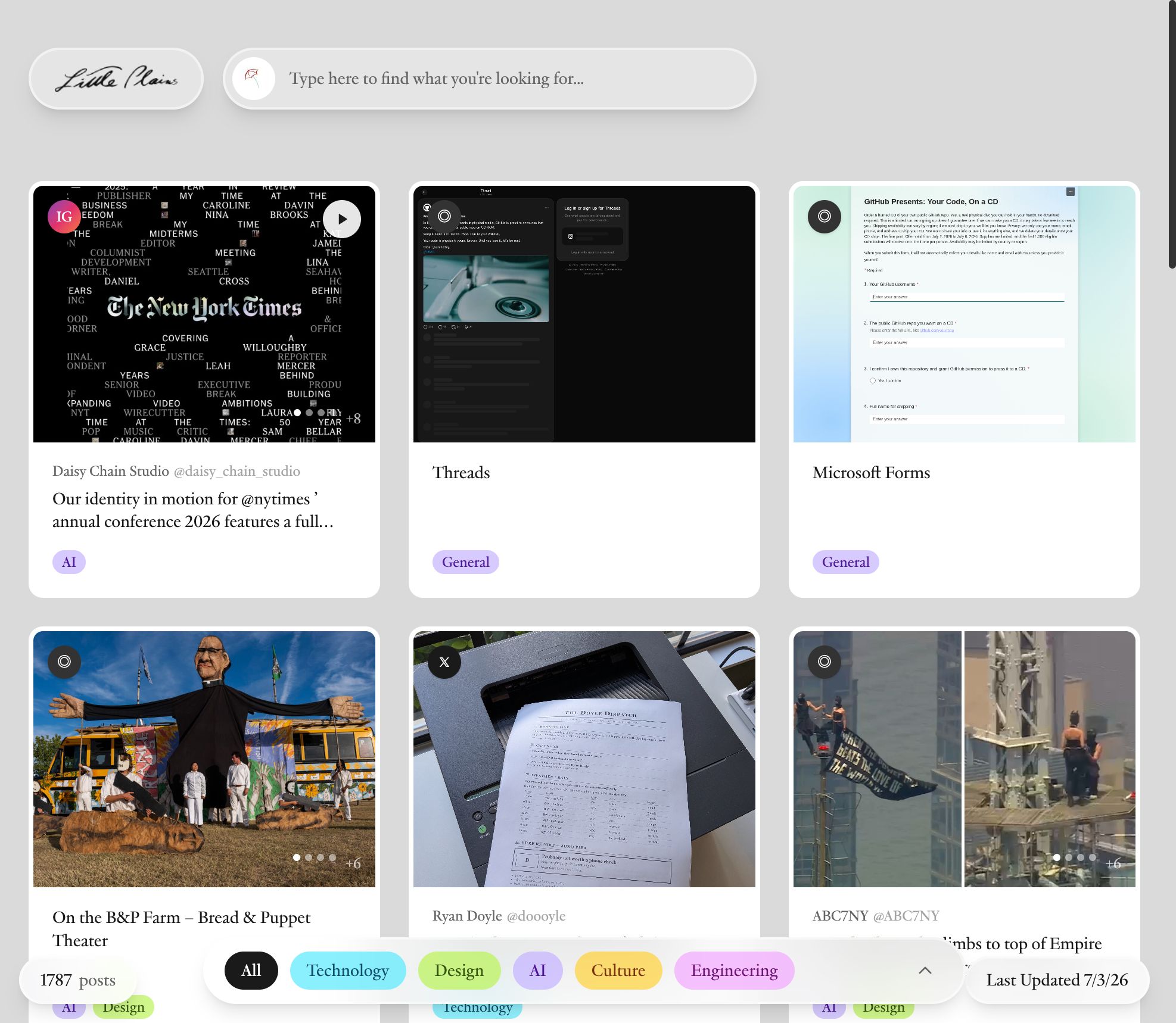
Blocks are the smallest pieces of svemir: links, images, notes and papers I’ve collected.

777 blocks · 69 channels · 777 nodes

'In Silver's vision, truly intelligent agents would need long time horizons. Chatbots have brief interactions: The user asks a question; the bot answers. But humans are forever conceiving long-term objectives, and planning what they need to do next week and next month in order to realize them. Future AIs, Silver believed, would behave in the same way. Taksed, for example, to help solve energy scarcity by inventing a superconductor, and AI might draw up a reading list, conduct experiments, invent novel materials, and so on, pursuing its goal over the space of a year or more. As Silver and Sutton wrote, the models of the future would "actively explore the world, adapt to changing environments, and discover strategies that might never occur to a human." "The kind of AI that we have today doesn't have a life. It doesn't have its own stream of experience in the way that an animal or human might have. And that needs to be changed, so that we can have systems that keep learning and learning. We'll have coding agents that are just there, continusly improvng worlds code, and predicting which tools you'll find more useful. They'll just be beavering away on all this stuff in the background. Or let's say you tell your agent that you want to learn a new skill - speaking Japanese, for example. It will go off and build an app for that. And then it will teach you in a way that's optimized for you. And you'd get better on some tests. And your improvement would reward the system, so that it learned how to be a better teacher even as you learned to be a better Japanese speaker.'
David Silver (DeepMind) on the future of AIFrom The Infinity Machine: Demis Hassabis, DeepMind and the Quest for Superintelligence by Sebastian Mallaby
It ’ s just distributed computing: Rethinking AI governanceIndia (TRAI · 2025What we now lump under the unitary label “artificial intelligence” is not a single technology, but a highly varied set of machine learning appli­ cations enabled and supported by a globally ubiquitous system of distributed computing. The paper introduces a 4 part conceptual framework for analyzing the structure of that system, which it labels the digital ecosystem. What we now call “AI” is then shown to be a general functionality of distributed computing. "AI” has been present in primitive forms from the origins of digital computing in the 1950s. Three short case studies show that large-scale machine learning applications have been present in the digital ecosystem ever since the rise of the Internet. and provoked the same public policy concerns that we now associate with “AI.” The governance problems of “AI” are really caused by the development of this digital ecosystem, not by LLMs or other recent applications of machine learning. The paper then examines five recent proposals to “govern AI”and maps them to the constituent elements of the digital ecosystem model. This mapping shows that real-world attempts to assert governance authority over AI capabilities requires systemic control of all four elements of the digital ecosystem: data, computing power, networks and software. “Governing AI,” in other words, means total control of distributed computing. A better alternative is to focus governance and regulation upon specific appli­ cations of machine learning. An application-specific approach to governance allows for a more decentralized, freer and more effective method of solving policy conflicts.
Advancements in Context Recognition for Edge Devices and Smart Eyewear: Sensors and ApplicationsFrancesca Palermo, Luca Casciano · 2025Edge devices have garnered significant attention for their ability to process data locally, providing low-latency, context-aware services without the need for extensive reliance on cloud computing. This capability is particularly crucial in context recognition, which enables dynamic adaptation to a user’s real-time environment. Applications range from health monitoring and augmented reality to smart assistance and social interaction analysis. Among edge devices, smart eyewear has emerged as a promising platform for context recognition due to its ability to unobtrusively capture rich, multi-modal sensor data. However, the deployment of context-aware systems on such devices presents unique challenges, including real- time processing, energy efficiency, sensor fusion, and noise management. This manuscript provides a comprehensive survey of context recognition in edge devices, with a specific emphasis on smart eyewear. It reviews the state-of-the-art sensors and applications for context inference. Furthermore, the paper discusses key challenges in achieving reliable, low-latency context recognition while addressing energy and computational constraints. By synthesizing advancements and identifying gaps, this work aims to guide the development of more robust and efficient solutions for context recognition in edge computing. INDEX TERMS Context recognition, edge computing, smarteyewear, wearable technology.
Identifying Hand-based Input Preference Based on Wearable EEGKaining Zhang∗ · 2024Understanding user input preference can improve the user experi- ence, however automatically determining preference can be diffi- cult. In this paper, we designed an EEG-based method for directly evaluating hand-based input preference for touch and mid-air ges- tures on a smartwatch. We conducted a two-phase experiment, recording EEG data from 18 participants as they performed ges- tures and captured their ratings (Phase 1) and preference choices (Phase 2) for each gesture. Our analysis uncovered distinct EEG patterns between preferred and non-preferred gestures, including significant differences in Power Spectral Density (PSD), Coherence (Coh), and Sample Entropy (SE) features. When participants en- gaged with their preferred input gestures, we identified decreased brain activity (PSD) in the central and occipital regions, reduced brain connectivity (Coh) in the delta and alpha bands, and increased brain complexity (SE) in multiple sizes. These insights offer the potential to develop rapid detection of user intent for interactive computing devices by analysing brain signals. Permission to make digital or hard copies of all or part of this work for personal or classroom use is granted without fee provided that copies are not made or distributed for profit or commercial advantage and that copies bear this notice and the full citation on the first page. Copyrights for components of this work owned by others than the author(s) must be honored. Abstracting with credit is permitted. To copy otherwise, or republish, to post on servers or to redistribute to lists, requires prior specific permission and/or a fee. Request permissions from permissions@acm.org. AHs 2024, April 04–06, 2024, Melbourne, VIC, Australia © 2024 Copyright held by the owner/author(s). Publication rights licensed to ACM. ACM ISBN 979-8-4007-0980-7/24/04 https://doi.org/10.1145/3652920.3653028 CCS CONCEPTS • Human-centered computing →User studies; Gestural input; Laboratory experiments.
Recommendations user interface in web-based e-commerce systemsOleksandr Yeroshkin, Janusz Sobecki · 2024In the world of dynamic e-commerce, competition is fierce, and the ability to attract and retain customers is becoming crucial. In this reality, adaptive user interfaces (UI) play an important role, allowing e-commerce platforms to personalize the shopping experience to better understand and meet customer needs. When combined with advanced artificial intelligence (AI) technologies, adaptive UI can bring revolutionary changes to the way customers interact with e-commerce platforms. In this article, we will discuss how AI can be used to design and improve adaptive user interfaces in e-commerce systems, and what benefits can result from this combination. © 2024 The Authors. Published by Elsevier B.V. This is an open access article under the CC BY-NC-ND license ([https://creativecommons.org/licenses/by-nc-nd/4.0](https://creativecommons.org/licenses/by-nc-nd/4.0)) Peer-review under responsibility of the scientific committee of the 28th International Conference on Knowledge Based and Intelligent information and Engineering Systems Oleksandr Yeroshkin et al. / Procedia Computer Science 246 (2024) 2874–2881 2875 tion of an experimental approach in a controlled environment. During the implementation and verification phases, we will be able to generate alternative solutions and evaluate them according to the UX and/or conversion requirements. The paper is structured as follows. In the second section, the state of the art is presented. Then, in the following section, an example of a commercial system whose user interface will be adapted is given. In the fourth section, the proposed solution of adapted UI based on AI is described. In the final section, we summarize the paper and give some information on the proposed future work. 2. State of the art In the beginning, UI recommendation services did not use artificial intelligence methods [12]. According to Baraglia [4] and Kopel [10], mainly traditional approaches were used at that time. However, currently we are dealing with solutions that intensively use various AI algorithms. Automating user interface optimization can be achieved using a variety of techniques based on both traditional ap- proaches and AI and machine learning (ML) algorithms. When it comes to optimizing user experience in e-commerce, there are three approaches: adaptable, semi-adaptive, and fully adaptive [1]. The first involves manual adjustment by a user or expert according to their usage criteria [18]. The second involves manual adjustment supported by system recommendations which is a kind of evol
Predictive Analytics for Website User BehaviorPawan Vankhede · 2024This study examines the application of predictive analytics to user behavior analysis on websites, with a particular emphasis on a dataset of customer behavior from e-commerce. To forecast behavioral patterns, the study will apply the random forest method. Additionally, exploratory data analysis (EDA) will be carried out to extract insights from the dataset. The dataset employed in this study includes a variety of factors, such as purchase history, browsing habits, and consumer demographics, among other pertinent data. The research attempts to derive useful insights that can improve the comprehension and prediction of user behavior on the website by utilizing predictive analytics approaches. In this study, the random forest algorithm which is well-known for its capacity to manage intricate datasets and generate precise predictions is employed. The method builds several decision trees and combines their predictions to produce more reliable and accurate outcomes by utilizing ensemble learning. Predicting different aspects of user behavior, including browsing patterns, chance of making a purchase, and customer segmentation, is the aim. When paired with the insights from EDA, the outcomes of the behavioral analysis prediction made with the random forest algorithm can provide e-commerce companies with useful data. Gaining insight into user behavior can help with customer engagement, website design optimization, personalization, and overall user experience enhancement.
Educating Artificial Intelligence following the Child Learning Development Trajectories2024Artificial Intelligence is spreading in most daily activities. However, its develop- ment and deployment raise issues related to biases, such as gender and disability, mainly stemming from biased or incomplete datasets and lack of transparency and accountability in its algorithms. To overcome these issues, it is necessary to revert to a human-centered mindset, trying to educate algorithms rather than only train them. Adopting a human-centered approach in AI has been a first step, but it is necessary a step ahead. Indeed, recent theoretical perspectives suggest that edu- cating AI algorithms also need a profound understanding of the context of use in which it operates, adopting an approach like those in which a child is educated from birth following its developmental trajectory. By incorporating well-established educational models into the training of AI algorithms, intelligent systems based on those AI algorithms can better align with human learning trajectories, reducing bi- ases and making them more contextually aware. This paper goes in this direction, presenting an educational human-centered approach as a design methodology for artificial intelligence algorithms used within the European FRACTAL project. This proposal would pave the way toward developing more educated artificial intelligence algorithms since they are adapted to the real context of use.
Harnessing AI potential in E-Commerce: improving user engagement and sales through deep learning-based product recommendationsZhang · 2024Artificial intelligence (AI) has become a game-changing influence in e-commerce, reshaping the way businesses inter­ act with customers and increasing operational efficiency. In today’s digital era, AI technologies are being progressively embedded into e-commerce platforms to enhance the user experience, improve processes, and drive business growth. One of the primary areas where AI demonstrates its potential is in personalized product recommendations. This study explores the development of AI-driven recommendations regarding product design, sales, and customer experience in e-commerce environments. The research employs a quantitative approach to explore how AI technologies can enhance various facets of online retail. Using purposive sampling, 439 consumers and 356 sellers from diverse regions of China participated in an online survey designed to gather insights into their interactions with AI-driven recommendations. Data analysis was rigorously conducted using Lisrel 10.20 and Smart PLS 3 software, focusing on validating hypotheses related to AI’s influence on consumer behavior and business outcomes. Key findings include AI’s significant role in boosting productiv­ ity, enhancing sales figures, and enriching consumer experiences through personalized recommendations. This research provides a deeper insight into AI’s potential in e-commerce and provides recommendations for businesses focused on using AI technology to increase user engagement and increase sales in digital marketing.
Collaborative Filtering and Recommendation Algorithm for Artificial Intelligence Live Streaming E-Commerce Platforms Based on Big DataChen · 2024With the development of the Internet and mobile Internet, live streaming e-commerce has become an emerging e-commerce force. However, traditional recommendation algorithms have shortcomings in terms of accuracy and personalization of recommendation results, and more intelligent and personalized recommendation algorithms need to be applied. This article aimed to achieve personalized product recommendations and enhance the shopping experience of users by analyzing their historical behavioral data, real-time interests and needs, combined with big data and artificial intelligence technology. The collaborative filtering recommendation algorithm based on live streaming had an average recommendation accuracy of over 80% for user groups 1, 2, and 3. The research results of this article had important practical significance for promoting the healthy development of live streaming e-commerce platforms, improving user experience, and enhancing platform competitiveness. © 2024 The Authors. Published by Elsevier B.V. This is an open access article under the CC BY-NC-ND license ([https://creativecommons.org/licenses/by-nc-nd/4.0](https://creativecommons.org/licenses/by-nc-nd/4.0)) Peer-review under responsibility of the scientific committee of the 11th International Conference on Applications and Techniques in Cyber Intelligence Yu’e Chen et al. / Procedia Computer Science 247 (2024) 826–833 827 and loyalty to the platform, but also promotes user purchasing behavior, increases purchase conversion rates, and enhances order value. This article analyzes the current application status of traditional recommendation algorithms and big data artificial intelligence in the e-commerce field, points out the shortcomings and areas for improvement of existing methods, and proposes methods such as user collaborative filtering and live streaming collaborative filtering to improve recommendation accuracy. On this basis, an in-depth analysis and exploration of collaborative filtering and recommendation algorithms for intelligent live streaming e-commerce platforms based on big data is conducted. 2. Related Works A large number of customers use traditional e-commerce portal websites, which lack product quality assurance. Rashidin Md Salamun used the status quo bias theory to study customer retention behavior on e-commerce platforms. The research findings can help managers and policy makers develop new policies to better serve customers [1]. Nichifor Eliza aimed to study the impact of using artificial intelligence through chatbots on the con
Visualizing the knowledge mapping of artificial intelligence in education: A systematic reviewInformation Technologies · 2024Artificial Intelligence (AI) plays a vital role in the growth and progress of educa- tion. Therefore, there is a need to scientifically explore the application of Artifi- cial Intelligence in Education (AIED) and systematically analyze the development trends and research hotspots of AIED to provide reference for researchers. In this study, 1356 articles (2016–2023) in WOS were selected for further research, utiliz- ing knowledge graph analysis. Using both VOSviewer and CiteSpace, which facili- tated triangulating the data across software platforms to ensure the reliability of the results, the main highly co-cited literature and keywords were thoroughly analyzed. The key highlights of the results are: Firstly, the study reveals three major themes in the field of AI education, namely, medical theme, educational theme, and ChatGPT theme. Secondly, important literature and nodes in the field of AIED were identi- fied. Thirdly, the study demonstrates the main technologies in the field of AIED, including Natural Language Processing, Machine Learning, Deep Learning, and Generative Artificial Intelligence. Finally, the burst analysis illustrates the hotspots and themes of the AIED at different stages. This study enriches the understanding of the fundamental knowledge and research frontiers essential to the application of AIED, which helps identify the patterns and trends for future research and teaching practices.
Human-Centered AI: Enhancing User Interaction with Intelligent SystemsGalhenage Gayan Sudesh Suranga Perer · 2024This research examines Human- Centered AI (HCAI) and its contribution to user involvement and user experience with intelligent systems in the healthcare, finance, and education industries. HCAI focuses on deploying AI in a fashion that considers human abilities, values, and emotions in a way that enhances convenience, adaptability, and reliability. The study adopts a qualitative and quantitative mixed methodology in conducting surveys and interviews with users and AI developers examining the effects of human- centered design attributes explanation and user control on user satisfaction. The results imply that such systems of AI which follow the principles of human-centered design have more acceptance and endorsement among users. In particular, participants stressed the need for effective articulation of decision-making processes by AI tools and provision for some degree of manual control over the tools. At the same time, the analysis has uncovered the existence of persistent ethical problems, such as bias, privacy, reliability of AI systems, which need to be addressed further. According to the findings, the application of the HCAI approach can greatly boost the experience and confidence of users in using AI devices. Practical implications are related to the go and bias justice, implementing and enhancing information on explainability, feedback, privacy and integrated ethics into the systems. In this paper, we present additional development for the application of ethical artificial intelligence. Inde Term — Adaptability, Explainability, Human-Centered AI, Interaction Design, Personalization, Transparency, Trust, User Experience, Usability
Article Functional Framework for Multivariant E-Commerce User InterfacesAdam Wasilewski · 2024Modern e-businesses heavily rely on advanced data analytics for product recommendations. However, there are still untapped opportunities to enhance user interfaces. Currently, online stores offer a single-page version to all customers, overlooking individual characteristics. This paper aims to identify the essential components and present a framework for enabling multiple e-commerce user interfaces. It also seeks to address challenges associated with personalized e-commerce user interfaces. The methodology includes detailing the framework for serving diverse e-commerce user interfaces and presenting pilot implementation results. Key components, particularly the role of algorithms in personalizing the user experience, are outlined. The results demonstrate promising outcomes for the implementation of the pilot solution, which caters to various e-commerce user interfaces. User characteristics support multivariant websites, with algorithms facilitating continuous learning. Newly proposed metrics effectively measure changes in user behavior resulting from different interface deployments. This paper underscores the central role of personalized e-commerce user interfaces in optimizing online store efficiency. The framework, supported by machine learning algorithms, showcases the feasibility and benefits of different page versions. The identified components, challenges, and proposed metrics contribute to a comprehensive solution and set the stage for further development of personalized e-commerce interfaces.
Granting Non-AI Experts Creative Control Over AI SystemsMIchelle S. Lam · 2024Many harmful behaviors and problematic deployments of AI stem from the fact that AI experts are not experts in the vast array of settings where AI is applied. Non-AI experts from these domains hold promising potential to contribute their expertise and directly design the AI systems that impact them, but they face substantial technical and efort barriers. Could we redesign AI development tools to match the language of non-technical end users? My re­ search develops novel systems allowing non-AI experts to defne AI behavior in terms of interpretable, self-defned concepts. Mono­ lithic, black-box models do not yield such control, so we introduce techniques for users to create many narrow, personalized models that they can better understand and steer. We demonstrate the success of this approach across the AI lifecycle: from designing AI objectives to evaluating AI behavior to authoring end-to-end AI systems. When non-AI experts design AI from start to fnish, they notice gaps and build solutions that AI experts could not—such as creating new feed ranking models to mitigate partisan animosity, surfacing underreported issues with content moderation models, and activating unique pockets of LLM behavior to amplify their personal writing style. Permission to make digital or hard copies of all or part of this work for personal or classroom use is granted without fee provided that copies are not made or distributed for proft or commercial advantage and that copies bear this notice and the full citation on the frst page. Copyrights for third-party components of this work must be honored. For all other uses, contact the owner/author(s). UIST Adjunct ’24, October 13–16, 2024, Pittsburgh, PA, USA © 2024 Copyright held by the owner/author(s). ACM ISBN 979-8-4007-0718-6/24/10 [https://doi.org/10.1145/3672539.3686714](https://doi.org/10.1145/3672539.3686714)
A personalized product recommendation model in e-commerce based on retrieval strategyNguyen · 2024In recent years, online shopping is one of the routine parts in people’s life. It is convenient and takes less effort to purchase it. Regarding the increasing revolution of e-commerce businesses, recommendation engine plays a crucial role in them. Recommendation engines are very popular and easy to implement to their platform nowadays. Due to the extremely high competition of e-commerce businesses, the operation needs to integrate the recommender wisely. This study presents a comprehensive approach to improving user experience and engagement on e-commerce platforms through the implementation of an implicit personalized product recom­ mendation engine. Collaborating with the H&M Group, the research combines the strength of each recom­ mending algorithms which are collaborative filtering, popularity, and Bayesian personalized ranking to develop a robust recommendation system. By leveraging a retrieval strategy that combines multiple algorithmic tech­ niques and evaluating candidates using machine learning models which comprise LightGBM and Deep Neural Network, the study achieves promising results. The authors utilize two popular technical metrics to evaluate their models which are mean average precision at K candidates (MAP@K) and mean average recall at K candidates (MAR@K). The empirical result indicates that the LightGBM model has remarkable performance than Deep Neural Network model, which are 0.06 versus 0.02 respectively in MAP@K and 0.03 versus 0.01 respectively in MAR@K when both recommending ways is at 50 items. Overall, this research contributes a novel framework that addresses the challenges of analyzing large-scale data, cold-start problems, and personalization, thereby enhancing the user experience, and driving sales on e-commerce platforms.
A Systematic Review on Human and ComputerRESHNA NANDIPI · 2024As technology continues to advance at an unprecedented pace, the interaction between humans and computers has become an integral part of our daily lives. This study provides a comprehensive review of the evolving landscape of human- computer interaction (HCI) research, focusing on the key concepts, methodologies, and advancements in this interdisciplinary field. The review begins by presenting an overview of the historical evolution of HCI, tracing its roots from early command-line interfaces to the current era of intuitive touchscreens and voice recognition systems. The fundamental principles of HCI, including usability, accessibility, and user- centered design, are examined in detail, highlighting their significance in enhancing the overall user experience. Moreover, the review explores various interaction modalities that have emerged over the years, such as graphical user interfaces, haptic feedback, augmented reality, and virtual reality. It examines the strengths, limitations, and potential applications of these modalities, shedding light on the future possibilities they hold for human-computer interaction. Furthermore, the review delves into the emerging trends in HCI research, including natural language processing, gesture recognition, machine learning, and affective computing. These advancements have paved the way for more personalized and adaptive interfaces, enabling computers to understand and respond to human emotions and intentions, thereby fostering deeper levels of engagement and satisfaction. The study also addresses the challenges and ethical considerations associated with human-computer interaction, such as privacy concerns, data security, and algorithmic biases. It emphasizes the importance of designing inclusive and ethical systems that respect users' rights and values.
SituationAdapt: Contextual UI Optimization in Mixed Reality with Situation Awareness via LLM ReasoningZhipeng Li, Christoph Gebhardt et al. · 2024Mixed Reality is increasingly used in mobile settings beyond con­ trolled home and ofce spaces. This mobility introduces the need for user interface layouts that adapt to varying contexts. However, existing adaptive systems are designed only for static environments. In this paper, we introduce SituationAdapt, a system that adjusts Mixed Reality UIs to real-world surroundings by considering envi­ ronmental and social cues in shared settings. Our system consists of perception, reasoning, and optimization modules for UI adaptation. Our perception module identifes objects and individuals around the user, while our reasoning module leverages a Vision-and-Language Model to assess the placement of interactive UI elements. This en­ sures that adapted layouts do not obstruct relevant environmental cues or interfere with social norms. Our optimization module then generates Mixed Reality interfaces that account for these consid­ erations as well as temporal constraints. For evaluation, we frst validate our reasoning module’s capability of assessing UI contexts in comparison to human expert users. In an online user study, we then establish SituationAdapt’s capability of producing context- aware layouts for Mixed Reality, where it outperformed previous adaptive layout methods. We conclude with a series of applications and scenarios to demonstrate SituationAdapt’s versatility. Permission to make digital or hard copies of all or part of this work for personal or classroom use is granted without fee provided that copies are not made or distributed for proft or commercial advantage and that copies bear this notice and the full citation on the frst page. Copyrights for components of this work owned by others than the author(s) must be honored. Abstracting with credit is permitted. To copy otherwise, or republish, to post on servers or to redistribute to lists, requires prior specifc permission and/or a fee. Request permissions from permissions@acm.org. UIST ’24, October 13–16, 2024, Pittsburgh, PA, USA © 2024 Copyright held by the owner/author(s). Publication rights licensed to ACM. ACM ISBN 979-8-4007-0628-8/24/10 https://doi.org/10.1145/3654777.3676470 CCS CONCEPTS • Human-centered computing → Mixed / augmented reality; Virtual reality; Interactive systems and tools.
Real-Time Personalized User Interface Adaptation Using Reinforcement LearningAbdulrahman Khamaj, Abdulelah M. Ali · 2024Developing a dynamic, personalized user interface that changes in real-time in response to user behavior is the goal. This paper supplies a modern method to beautify consumers enjoy using Reinforcement Learning (RL) and a Deep Q Network (DQN). Through support examination, the task objectives are to upgrade buyer connections and increment commitment, delight, and undertaking of consummation rates. Users who utilize traditional user interfaces get a common experience because they’re impersonal and unflexible. The potential for higher engagement and happiness levels is limited in the absence of real-time changes based on individual preferences and behaviors. To overcome this problem, the study suggests a cunning technique for a getting-to-comprehend layout that may constantly analyze and modify patron communications. This evaluation is new as it provides a blended RL and DQN framework that modifies person interfaces grade by grade. Dissimilar to conventional methodologies, the proposed form adjusts the utilization of well-known, over-the-top prize moves with the development of the most recent ones through an investigation double-dealing system. EventType, contentId, personId, sensorId, and timestamp are instances of timestamped insights handles that give a thorough skill of client conduct and license planned and nuanced changes.
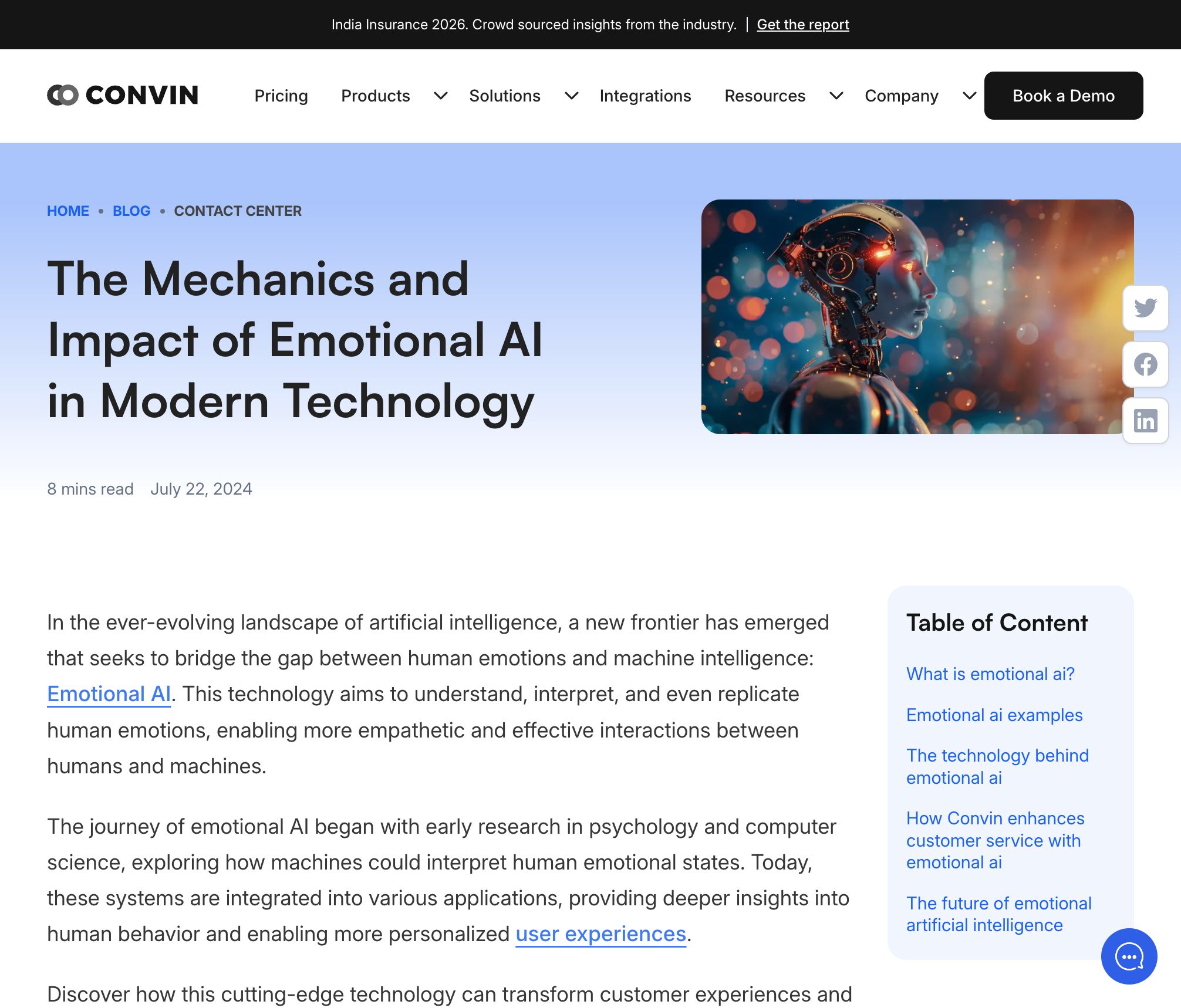
Utilizing emotion recognition technology to enhance user experience in real- timeYuanyuan Xu · 2024In recent years, advancements in human-computer interaction (HCI) have led to the emergence of emotion recognition technology as a crucial tool for enhancing user engagement and satisfaction. This study investigates the application of emotion recognition technology in real-time environments to monitor and respond to users’ emotional states, creating more personalized and intuitive interactions. The research employs convolutional neural networks (CNN) and long short-term memory networks (LSTM) to analyze facial expressions and voice emotions. The experimental design includes an experimental group that uses an emotion recognition system, which dynamically adjusts learning content based on detected emotional states, and a control group that uses a traditional online learning platform. The results show that real-time emotion monitoring and dynamic content adjustments significantly improve user experiences, with the experimental group demonstrating better engagement, learning outcomes, and overall satisfaction. Quantitative results indicate that the emotion recognition system reduced task completion time by 14.3%, lowered error rates by 50%, and increased user satisfaction by 18.4%. These findings highlight the potential of emotion recognition technology to enhance user experiences. However, challenges such as the complexity of multimodal data integration, real-time processing capabilities, and privacy and data security issues remain. Addressing these challenges is crucial for the successful implementation and widespread adoption of this technology. The paper concludes that emotion recognition technology, by providing personalized and adaptive interactions, holds significant promise for improving user experience and offers valuable insights for future research and practical applications.
A Roadmap of Explainable Artificial Intelligence: Explain to Whom, When, What and How?Ziming Wang · 2024Explainable artificial intelligence (XAI) has gained significant attention, especially in AI-powered autonomous and adaptive systems (AASs). However, a discernible disconnect exists among research efforts across different communities. The machine learning community often overlooks "explaining to whom," while the human-computer interaction community has examined various stakeholders with diverse explanation needs without addressing which XAI methods meet these requirements. Currently, no clear guidance exists on which XAI methods suit which specific stakeholders and their distinct needs. This hinders the achievement of the goal of XAI: providing human users with understandable interpretations. To bridge this gap, this paper presents a comprehensive XAI roadmap. Based on an extensive literature review, the roadmap summarizes different stakeholders, their explanation needs at different stages of the AI system lifecycle, the questions they may pose, and existing XAI methods. Then, by utilizing stakeholders' inquiries as a conduit, the roadmap connects their needs to prevailing XAI methods, providing a guideline to assist researchers and practitioners to determine more easily which XAI methodologies can meet the specific needs of stakeholders in AASs. Finally, the roadmap discusses the limitations of existing XAI methods and outlines directions for future research.
Predicting the usability of mobile applications using AI tools: the rise of large user interface models, opportunities, and challengesIndustry (EDI40) · 2024This article proposes the so-called large user interface models (LUIMs) to enable the generation of user interfaces and prediction of usability using artificial intelligence in the context of mobile applications. To this end, we synergized an integrated framework for the effective testing of the usability of mobile applications following a selective review of the most influential models of mobile usability testing. Next, we identified and analysed 13 recent AI tools that generate user interfaces for mobile apps, and systematically tested these tools to identify their AI capabilities. Our striking findings demonstrate that current generative UI tools fail to address mobile usability attributes, such as efficiency, learnability, effectiveness, satisfaction, and memorability. Our large UI models’ architecture proposes to leverage the capabilities of large language models, large vision models, and large code models to overcome the challenges of AI-driven UI/UX design and front-end implementations. This fascinating UI eco-system must be augmented with sufficient UI data and multi-sensory input regarding user behaviour to train the models. We anticipate LUIMs to create ample opportunities, like expedited frontend software development, enhanced personalised user experience, and wider accessibility of smart technologies. However, the research challenges hindering the UI generation and usability prediction of mobile apps include the seamless integration of complex generative AI models, semantic understanding of non-uniform visual designs, scarcity of UX datasets, and modelling of realistic user interactions. 672 Abdallah Namoun et al. / Procedia Computer Science 238 (2024) 671–682
Application of Artificial Intelligence in Interactive UI DesignSha Liang · 2024The purpose of this study is to deeply explore the influence of artificial intelligence (AI) application in interactive User Interface (UI) design, and evaluate its effect in conceptual design, prototype design and final design through experiments and analysis. By introducing generative design tools, machine learning algorithms and sentiment analysis technology, this study evaluates the role of AI in improving design efficiency, personalizing user experience, increasing creativity and enhancing emotional resonance of users. In the evaluation of design effect, it is found that the effect score is significantly improved after the introduction of AI in each design stage. The design scheme generated by the designer through AI is more in line with the needs of users, the design accuracy is improved, and the creativity is also increased compared with the traditional design. In terms of personalized user experience, we use machine learning algorithm to adjust interface elements according to user behavior to provide a more personalized user experience. The experimental results show that personalized design can significantly improve user satisfaction and interaction efficiency. Through the emotional analysis technology, the language and emotional tone of the design are adjusted, and the emotional resonance of users is improved. Designers can better express their emotions and make the design more in line with the emotional needs of users. On the whole, this study provides an in-depth empirical study on the application of AI in UI design, and provides beneficial enlightenment for future intelligent design and user experience research.
Towards an AI-Driven User Interface Design for Web ApplicationsAndré Costaa, Firmino Silvaa et al. · 2024The increasing exploitation of Artificial Intelligence (AI) technologies has enabled the design of user interfaces in a way that integrating artificial intelligence capabilities has become crucial in the modern digital landscape. Exploring the main features and best practices for designing user interfaces for Web applications, which effectively support and leverage AI functionalities, is currently one of the relevant topics in this context. This research work discusses the fundamental principles of user interface (UI) design, and the challenges posed by the integration of AI into web applications. It emphasizes the need to strike a balance between the AI advanced capabilities and the users' ability to understand and control the system. Furthermore, the paper highlights the importance of creating intuitive and engaging UI designs that empower users to interact with AI-driven features effortlessly. The study presents a comprehensive analysis of various UI design techniques specifically tailored for AI-enabled web applications user interfaces. Additionally, the paper explores the incorporation of AI-driven recommendation systems, personalized interfaces, and adaptive designs, which dynamically adapt to users' preferences and behavior. To validate the proposed user interface design principles, the study presents a proposal for a guidelines structure that promotes empirical evaluations through user studies and usability testing. Results collected via a survey based on measuring the effectiveness and user satisfaction of AI-enabled Web interfaces. User interfaces in real-life scenarios are presented and provides information on the impact of UI design decisions on user interaction and overall experience. The outcomes of this research work contribute to a deeper understanding of UI design for AI-supported Web applications user interfaces and offer practical guidelines for designers and developers. By embracing the suggested principles, organizations and designers can create Web interfaces that effectively harness the power of AI while prioritizing user-centricity, accessibility, and ethical considerations.
CulturAI: Exploring Mixed Reality Art Exhibitions with Large Language Models for Personalized Immersive ExperiencesNicolas Constantinides · 2024Mixed Reality (MR) technologies have transformed the way in which we interact and engage with digital content, offering immer- sive experiences that blend the physical and virtual worlds. Over the past years, there has been increasing interest in employing Artificial Intelligence (AI) technologies to improve user experience and trustworthiness in cultural contexts. However, the integration of Large Language Models (LLMs) into MR applications within the Cultural Heritage (CH) domain is relatively underexplored. In this work, we present an investigation into the integration of LLMs within MR environments, focusing on the context of virtual art exhi- bitions. We implemented a HoloLens MR application, which enables users to explore artworks while interacting with an LLM through voice. To evaluate the user experience and perceived trustworthi- ness of individuals engaging with an LLM-based virtual art guide, we adopted a between-subject study design, in which participants were randomly assigned to either the LLM-based version or a con- trol group using conventional interaction methods. The LLM-based version allows users to pose inquiries about the artwork displayed, ranging from details about the creator to information about the artwork’s origin and historical significance. This paper presents the technical aspects of integrating LLMs within MR applications and evaluates the user experience and perceived trustworthiness of this approach in enhancing the exploration of virtual art exhibitions. Results of an initial evaluation provide evidence about the positive aspect of integrating LLMs in MR applications. Findings of this work contribute to the advancement of MR technologies for the development of future interactive personalized art experiences. CCS CONCEPTS • Human-centered computing →Mixed / augmented reality; User studies; • Computing methodologies →Artificial intelligence. Permission to make digital or hard copies of all or part of this work for personal or classroom use is granted without fee provided that copies are not made or distributed for profit or commercial advantage and that copies bear this notice and the full citation on the first page. Copyrights for third-party components of this work must be honored. For all other uses, contact the owner/author(s). UMAP Adjunct ’24, July 01–04, 2024, Cagliari, Italy © 2024 Copyright held by the owner/author(s). ACM ISBN 979-8-4007-0466-6/24/07 https://doi.org/10.1145/3631700.3664874
MineXR: Mining Personalized Extended Reality InterfacesHyunsung Cho · 2024Extended Reality (XR) interfaces offer engaging user experiences, but their effective design requires a nuanced understanding of user behavior and preferences. This knowledge is challenging to obtain without the widespread adoption of XR devices. We intro­ duce MineXR, a design mining workflow and data analysis platform for collecting and analyzing personalized XR user interaction and This work is licensed under a Creative Commons Attribution-NonCommercial-ShareAlike International 4.0 License. CHI ’24, May 11–16, 2024, Honolulu, HI, USA © 2024 Copyright held by the owner/author(s). ACM ISBN 979-8-4007-0330-0/24/05 https://doi.org/10.1145/3613904.3642394 experience data. MineXR enables elicitation of personalized in­ terfaces from participants of a data collection: for any particular context, participants create interface elements using application screenshots from their own smartphone, place them in the envi­ ronment, and simultaneously preview the resulting XR layout on a headset. Using MineXR, we contribute a dataset of personalized XR interfaces collected from 31 participants, consisting of 695 XR widgets created from 178 unique applications. We provide insights for XR widget functionalities, categories, clusters, UI element types, and placement. Our open-source tools and data support researchers and designers in developing future XR interfaces. CCS CONCEPTS • Human-centered computing → Mixed / augmented reality; Systems and tools for interaction design. CHI ’24, May 11–16, 2024, Honolulu, HI, USA Cho et al.
Next-Gen Human-Computer Interaction: A HybridRavindra Changal · 2024In the rapidly evolving landscape of human- computer interaction (HCI), the demand for personalized and adaptive user experiences has grown exponentially. To meet this demand, Research propose a groundbreaking approach leveraging the fusion of Long Short-Term Memory (LSTM) and Convolutional Neural Network (CNN) architectures. This hybrid LSTM-CNN model is designed to enhance adaptability, responsiveness, and user engagement across various interactive platforms.Traditional HCI models often struggle to effectively capture the dynamic nature of user behavior and preferences. By integrating LSTM and CNN, This model achieves a synergistic blend of temporal and spatial feature extraction capabilities. The LSTM component excels in capturing sequential dependencies and long-term patterns, enabling the system to learn from past interactions and anticipate future user actions. Meanwhile, the CNN component efficiently processes spatial information, extracting meaningful features from multimedia inputs such as images, videos, and text.One of the key strengths of proposed model is its adaptability to diverse user contexts and preferences. Through continuous learning and adaptation, it dynamically adjusts its interface, content, and interaction patterns to match the evolving needs and preferences of individual users. Moreover, the hybrid architecture enables real-time processing of multimodal inputs, facilitating seamless interaction across a wide range of devices and platforms.In experimental evaluations, Hybrid LSTM-CNN model demonstrated superior performance compared to baseline methods in terms of user satisfaction, engagement, and task completion rates. Furthermore, it exhibited robustness and scalability, making it suitable for deployment in real-world applications across domains such as e-commerce, entertainment, education, and healthcare.In summary, The proposed approach represents a significant advancement in HCI research, paving the way for next-generation interactive systems that deliver highly adaptive and personalized user experiences.
An empirical study of AI techniques in mobile applications ✩Haoye Tian b, Zhijie Wang c et al. · 2024The integration of artificial intelligence (AI) into mobile applications has significantly transformed various domains, enhancing user experiences and providing personalized services through advanced machine learning (ML) and deep learning (DL) technologies. AI-driven mobile apps typically refer to applications that leverage ML/DL technologies to perform key tasks such as image recognition and natural language processing. Despite existing research exploring how mobile apps exploit AI techniques, they have the following main limitations: (1) Most existing studies focus on DL-based apps, with limited research on ML-based apps. (2) Existing research typically focuses on investigating the apps and the technologies utilized in the apps, lacking user-level analysis. (3) The number of apps studied is limited, with only 1,000 to 2,000 ML/DL apps identified after filtering. To fill the gap, in this paper, we conducted the most extensive empirical study on AI applications, exploring on-device ML apps, on-device DL apps, and AI service-supported (cloud-based) apps. Our study encompasses 56,682 real- world AI applications, focusing on three crucial perspectives: (1) Application analysis, where we analyze the popularity of AI apps and investigate the update states of AI apps; (2) Framework and model analysis, where we analyze AI framework usage and AI model protection; (3) User analysis, where we examine user privacy protection and user review attitudes. Our study has strong implications for AI app developers, users, and AI R&D. On one hand, our findings highlight the growing trend of AI integration in mobile applications, demonstrating the widespread adoption of various AI frameworks and models. On the other hand, our findings emphasize the need for robust model protection to enhance app security. Additionally, our study highlights the importance of user privacy and presents user attitudes towards the AI technologies utilized in current AI apps. We provide our AI app dataset (currently the most extensive AI app dataset) as an open-source resource for future research on AI technologies utilized in mobile applications.
Farsighted-Fostering Responsable AI awarness during AI application prototypingWang · 2024Prompt-based interfaces for Large Language Models (LLMs) have made prototyping and building AI-powered applications easier than ever before. However, identifying potential harms that may arise from AI applications remains a challenge, particularly during ∗The work was done when the authors were at Google Research. This work is licensed under a Creative Commons Attribution 4.0 International License. CHI ’24, May 11–16, 2024, Honolulu, HI, USA © 2024 Copyright held by the owner/author(s). ACM ISBN 979-8-4007-0330-0/24/05. [https://doi.org/10.1145/3613904.3642335](https://doi.org/10.1145/3613904.3642335) prompt-based prototyping. To address this, we present Farsight, a novel in situ interactive tool that helps people identify potential harms from the AI applications they are prototyping. Based on a user’s prompt, Farsight highlights news articles about relevant AI incidents and allows users to explore and edit LLM-generated use cases, stakeholders, and harms. We report design insights from a co- design study with 10 AI prototypers and findings from a user study with 42 AI prototypers. After using Farsight, AI prototypers in our user study are better able to independently identify potential harms associated with a prompt and find our tool more useful and usable than existing resources. Their qualitative feedback also highlights that Farsight encourages them to focus on end-users and think beyond immediate harms. We discuss these findings and reflect on 1 arXiv:2402.15350v2 [cs.HC] 2 Jul 2024 CHI ’24, May 11–16, 2024, Honolulu, HI, USA Zijie J. Wang, et al. their implications for designing AI prototyping experiences that meaningfully engage with AI harms. Farsight is publicly accessible at: [https://pair-code.github.io/farsight](https://pair-code.github.io/farsight). CCS CONCEPTS • Human-centered computing →Interactive systems and tools; • Computing methodologies →Machine learning.
Unpacking Human-AI Interaction in Safety-Critical Industries: A Systematic Literature ReviewTita A.Bach · 2024Ensuring quality human-AI interaction (HAII) in safety-critical industries is essential. Failure to do so can lead to catastrophic and deadly consequences. Despite this urgency, existing research on HAII is limited, fragmented, and inconsistent. We present here a survey of that literature and recommendations for research best practices that should improve the field. We divided our investigation into the following areas: 1) terms used to describe HAII, 2) primary roles of AI-enabled systems, 3) factors that influence HAII, and 4) how HAII is measured. Additionally, we described the capabilities and maturity of the AI-enabled systems used in safety-critical industries discussed in these articles. We found that no single term is used across the literature to describe HAII and some terms have multiple meanings. According to our literature, seven factors influence HAII: user characteristics (e.g., user personality), user perceptions and attitudes (e.g., user biases), user expectations and experience (e.g., mismatched user expectations and experience), AI interface and features (e.g., interactive design), AI output (e.g., perceived accuracy), explainability and interpretability (e.g., level of detail, user understanding), and usage of AI (e.g., heterogeneity of environments). HAII is most measured with user-related subjective metrics (e.g., user perceptions, trust, and attitudes), and AI-assisted decision-making is the most common primary role of AI-enabled systems. Based on this review, we conclude that there are substantial research gaps in HAII. Researchers and developers need to codify HAII terminology, involve users throughout the AI lifecycle (especially during development), and tailor HAII in safety-critical industries to the users and environments. INDEX TERMS Artificial intelligence, humans, measurement, methods, safety, safety-critical, society, survey, systematic literature review, technology readiness level, user.

Toward an Interactive Reading Experience: Deep Learning Insights and Visual Narratives of Engagement and EmotionJayasankar Santhosh, Akshay Palimar Pai et al. · 2024Engagement and emotion are critical components that significantly influence a reader’s experience during a reading task. Despite the crucial role of engagement and emotions in shaping our reading experience, accurately tracking these dynamic states during actual reading remains a significant challenge. This study bridges this gap by detecting engagement and emotion levels during a reading task by leveraging the power of state-of-the-art deep learning models and investigating the correlations between the engagement levels and emotions. An experiment was conducted involving 18 university students reading 14 documents followed by a questionnaire to rate their levels of engagement, valence, and arousal after reading each document. A Tobii 4C eye-tracker with a pro license along with an Empatica E4 wristband were utilized to record behavioral and physiological data from the participants. A range of deep learning models were utilized for computing the engagement, valence, and arousal values, employing both user-independent and user- dependent methods. Our investigation revealed distinct yet complementary strengths in two deep learning models: Transformer excelled in user-independent detection of engagement and emotion with an accuracy of 80.38% (engagement), 71.28% (arousal) and 73.98% (valence) while ResNet shined in the user-dependent setting with an accuracy of 93.56% (engagement), 90.62% (arousal) and 88.70% (valence) which highlights the interplay between individual differences and reading dynamics. Intriguingly, we observed strong, document-specific correlations between engagement and emotion states, suggesting that different texts evoke unique affective responses. We developed an interactive dashboard visualizing predicted engagement and emotions, offering real-time feedback and personalized learning possibilities. The dashboard features an engagement gauge that displays the reader’s level of engagement based on predicted class probabilities, and an emotion emoji serving as a visual cue that illustrates the predicted emotional state of the reader. This technology can inform the design of dynamic interfaces that adjust to individual reading styles and emotional responses, potentially enhancing comprehension and involvement. INDEX TERMS Digital reading, physiological sensing, eye tracking, deep learning, affective state.
One Size Does Not Fit All: Multivariant User Interface Personalization in E-CommerceAdam Wasilewski · 2024One of the most visible manifestations of the changes brought about by the digitization of everyday life is undoubtedly the spread of electronic commerce. It is difficult to think of the digital economy without considering transactions through electronic channels. In turn, the user interface (UI) is the key to e- commerce, as it is usually the first and primary point of contact between business and consumer. A key trend in e-commerce is the personalization of communications, which can improve the user experience, increase customer satisfaction and deliver tangible business benefits. Today, it is technically possible to base this personalization on an analysis of user behavior using artificial intelligence and machine learning techniques. A common form of personalization in e-commerce is the use of product recommendation systems, but the user interface can be tailored much more extensively. The approach described and discussed in this paper is a multivariant user interface that allows the layout to be tailored to the characteristics, attributes, and behaviors of customer groups generated using machine learning techniques. The results of the research carried out make it possible to verify the practicality of the proposed solution and provide an opportunity to identify development directions that take into account the potential of artificial intelligence. The application of the concept described in the paper is broad, covering all aspects of e-commerce design that require compromises when serving a single UI variant, but allow flexibility and customization for different users when serving a multivariant UI. INDEX TERMS Artificial intelligence, e-commerce, machine learning, personalization, user interface.
Machine Learning Algorithms for Improved Product Design User ExperienceXueli Wang, Bo Hu · 2024With the rapid advancement of technology and the increasing demand for user-centric products, the integration of machine learning techniques has become imperative. This paper explores the transformative potential of integrating Particle Swarm Optimization (PSO), Deep Reinforcement Learning (DRL), and other machine learning algorithms such as neural networks, decision trees, and support vector machines into product design processes. Our novel hybrid framework leverages PSO’s global search capabilities and DRL’s adaptive learning to optimize product designs in a manner that traditional methods cannot achieve. By employing predictive modeling, clustering, and recommendation systems, designers can gain valuable insights into user needs and preferences, facilitating the creation of more intuitive and personalized products. We demonstrate that this integrated approach significantly improves design efficiency and user satisfaction. Key findings include a 25% reduction in design iteration time and a 30% increase in user satisfaction scores compared to traditional optimization methods. Additionally, our methodology provides a flexible and scalable solution adaptable to various product design contexts, showcasing its broad applicability and effectiveness. The incorporation of real-time feedback mechanisms allows for continuous refinement and adaptation of product designs to meet evolving user expectations. This study contributes to the field by presenting a comprehensive, multi-technique optimization framework that bridges existing gaps and sets a new standard for user-centric product design optimization. Ultimately, this research underscores the significance of embracing machine learning as a powerful tool for revolutionizing the product design landscape and delivering superior user experiences. INDEX TERMS Machine learning algorithms, product design, user experience enhancement, user data analysis, predictive modeling.
A Systematic Review of the Impact of Auxiliary Information on Recommender SystemsMatthew Ayemowa · 2024Recommender systems are essential tools that provide personalized user experiences across various domains such as e-commerce, entertainment, social media, education and content streaming. The integration of auxiliary information, including user demographics, item attributes, and contextual data has shown significant promise in enhancing the performance of recommender systems. This systematic review investigates the impact of incorporating auxiliary information into various types of recommender systems, examining recent advancements, methodologies, datasets, evaluation metrics, and to equally examine its significance on generative artificial intelligence. Similarly, five (5) reputable online databases were used to identify the relevant studies for answering our research questions. To obtain effective results of our findings, we focus more on the recent studies published between (2019 - June 2024) to ensure that of our findings up-to-date. After filtering the selected primary papers that solely focused on auxiliary information recommender systems a total of 37 papers were identified and analyzed. Our analysis shows the most utilized datasets, metrics, models, addressed issues and future works. Research limitations and future scope are also highlighted to assist researchers and practitioners for their future studies. INDEX TERMS Recommender systems, auxiliary information, data sparsity, cold start problem.
Designing Responsible AI: Adaptations of UX Practice to Meet Responsible AI ChallengesQiaosi Wang∗ · 2023Technology companies continue to invest in eforts to incorporate responsibility in their Artifcial Intelligence (AI) advancements, while eforts to audit and regulate AI systems expand. This shift towards Responsible AI (RAI) in the tech industry necessitates new practices and adaptations to roles—undertaken by a variety of prac­ titioners in more or less formal positions, many of whom focus on the user-centered aspects of AI. To better understand practices at the intersection of user experience (UX) and RAI, we conducted an interview study with industrial UX practitioners and RAI subject matter experts, both of whom are actively involved in addressing RAI concerns throughout the early design and development of new AI-based prototypes, demos, and products, at a large technology company. Many of the specifc practices and their associated chal­ lenges have yet to be surfaced in the literature, and distilling them ofers a critical view into how practitioners’ roles are adapting to meet present-day RAI challenges. We present and discuss three emerging practices in which RAI is being enacted and reifed in UX practitioners’ everyday work. We conclude by arguing that the emerging practices, goals, and types of expertise that surfaced in our study point to an evolution in praxis, with associated challenges that suggest important areas for further research in HCI. CCS CONCEPTS • Human-centered computing → Empirical studies in HCI;
Emoticontrol : Emotions-based Control of User-Interfaces AdaptationsKARTHIK VAIDHYANATHAN, IIIT Hyderaba · 2023Emotions are integral to human nature, and their existence, duration, and evolution could lead to specific behaviors. If emotions and behaviors are ignored in the design of socio-technical systems, they will fail or cause discomfort. User interfaces (UIs) are elements of interactive systems able to trigger or moderate emotions. UIs are increasingly designed adaptive to users' various characteristics, intending to improve their satisfaction, performance, and decisions. However, previous adaptation supervising approaches are not effectively adopted in real life since they neglect the dynamic behaviors of humans or systems. This paper proposes Emoticontrol, a quality-driven approach to adapting UIs to users' emotions using Model-Free Reinforcement Learning (MFRL). The approach aims to maximize applying the essential adaptations and minimize the unnecessary ones towards users' enhanced quality of experience (QoE). The approach also considers improving the software quality of service (QoS) by designing software architecture alternatives. We chose emergency evacuation training as a suitable evaluation domain since people experience intense emotions in potential danger. We performed experiments with a mobile application we developed that acts as a recommender system in evacuation training. By taking contextual input of the users' basic emotions from face recognition, the application intelligently adapts its UI to quickly lead people to safe areas while keeping them emotionally controlled. We consider software performance a crucial QoS; thus, we adopt and test architectures that facilitate an acceptable level of performance. The evaluation process confirms the efficiency and effectiveness of the MFRL in iterations, as well as compared to other UI adaptation techniques.
Human-Centered Artificial Intelligence: Designing for User Empowerment and Ethical ConsiderationsUsman Ahmad Usmani · 2023Human-Centered Artificial Intelligence (AI) focuses on AI systems prioritizing user empowerment and ethical considerations. We explore the importance of user- centric design principles and ethical guidelines in creating AI technologies that enhance user experiences and align with human values. It emphasizes user empowerment through personalized experiences and explainable AI, fostering trust and user agency. Ethical considerations, including fairness, transparency, accountability, and privacy protection, are addressed to ensure AI systems respect human rights and avoid biases. Effective human AI collaboration is emphasized, promoting shared decision-making and user control. By involving interdisciplinary collaboration, this research contributes to advancing human-centered AI, providing practical recommendations for designing AI systems that enhance user experiences, promote user empowerment, and adhere to ethical standards. It emphasizes the harmonious coexistence between humans and AI, enhancing well-being and autonomy and creating a future where AI technologies benefit humanity. Overall, this research highlights the significance of human-centered AI in creating a positive impact. By centering on users' needs and values, AI systems can be designed to empower individuals and enhance their experiences. Ethical considerations are crucial to ensure fairness and transparency. With effective collaboration between humans and AI, we can harness the potential of AI to create a future that aligns with human aspirations and promotes societal well-being.
Roles of artificial intelligence experience, information redundancy, and familiarity in shaping active learning: Insights from intelligent personal assistantsWang, Sun · 2023Artificial Intelligence (AI) is increasingly being integrated into educational settings, with Intelligent Personal Assistants (IPAs) playing a significant role. However, the psychological impact of these AI assistants on fostering active learning behaviors needs to be better understood. This research study addresses this gap by proposing a theoretical model to outline and predict active learning dynamics. Data was col- lected from 237 validated questionnaires and analyzed using partial least squares structural equation modeling. Our results confirm most hypotheses advanced in our model, and information redundancy has an unexpected negative and indirect influ- ence on active learning, while perceived familiarity and system quality are positive drivers. Crucial mediators such as perceived usefulness, ease of use, and conveni- ence significantly positively influence active learning outcomes. Interestingly, the relationship between perceived ease of use, perceived convenience, and active learn- ing is positively moderated by AI experience. The most striking and unexpected finding of this study is the preference of university students for familiar systems over high-tech learning methods. This result challenges the common belief that the younger generation is always eager to adopt the latest technology. Instead, our find- ings suggest that students value convenience and familiarity over novelty in learn- ing systems. This preference is reflected in their systematic evaluation, where con- venience and familiarity are considered top priorities. This study provides valuable insights into the potential of AI to enrich the learning experience, thus making it especially relevant to professionals interested in artificial intelligence in interna- tional business education.
Adaptive user interface for workflow-ERP systemMarcin Smereka, Grzegorz Kołaczek et al. · 2023In this paper, the problem of user interface recommendations for workflow management systems is investigated. The user interface is automatically adapted using a software tool based on content-based filtering. This tool collects information about the way processes are carried out in an organization, analyzes and processes the data, and recommends the next action to the user in order to increase efficiency, facilitate training, and improve decision-making. The proposed tool was verified in the real environment within three organizations. For each organization, after at least several weeks of learning, the tool was able to offer suggestions that were selected by real users. 2382 Marcin Smereka et al. / Procedia Computer Science 225 (2023) 2381–2391 The aim of the project carried out by Sente was to investigate the possibility of automatically analyzing user behavior in business software (especially ERP class) in order to automatically adapt the way processes are carried out to these behaviors using content-based filtering algorithms. A tool that would be able to collect information about the way processes are carried out in an organization, analyze and process the collected data and recommend the next action to the user could increase the efficiency of using the ERP system, and facilitate training and decision-making processes. 2. State of the art According to Kobsa [7], proper user model selection should be the starting point when designing the user inter- face. However, with the growing number of potential users, particularly in web-based systems, the differences among them are also increasing. Consequently, the user model is becoming more complex, resulting in a highly differentiated proposed user interface, such as in interaction styles. [14]. The user differences may reflex their demographical, psy- chological, sociological, and anthropological user characteristics, which have an influence on the users’ information needs, interaction habits, and potential limitations of the interaction systems usage. The consequence of these differ- ences is causing difficulties in modeling these users in the standard way [7], in a result more sophisticated solutions have been proposed, for example, one enhanced with the application of ontologies [12]. The ontologies may be used to enhance information systems design and development on at least several different levels, such as database integration, business logic, or Graphical User Interfaces (GUI) [8]. User interfaces have been also ado
Article UX Framework Including Imbalanced UX Dataset Reduction Method for Analyzing Interaction Trends of Agent SystemsAgent Systems. Sensors · 2023The performance of game AI can significantly impact the purchase decisions of users. User experience (UX) technology can evaluate user satisfaction with game AI by analyzing user interaction input through a user interface (UI). Although traditional UX-based game agent systems use a UX evaluation to identify the common interaction trends of multiple users, there is a limit to evaluating UX data, i.e., creating a UX evaluation and identifying the interaction trend for each individual user. The loss of UX data features for each user should be minimized and reflected to provide a personalized game agent system for each user. This paper proposes a UX framework for game agent systems in which a UX data reduction method is applied to improve the interaction for each user. The proposed UX framework maintains non-trend data features in the UX dataset where overfitting occurs to provide a personalized game agent system for each user, achieved by minimizing the loss of UX data features for each user. The proposed UX framework is applied to a game called “Freestyle” to verify its performance. By using the proposed UX framework, the imbalanced UX dataset of the Freestyle game minimizes overfitting and becomes a UX dataset that reflects the interaction trend of each user. The UX dataset generated from the proposed UX framework is used to provide customized game agents of each user to enhanced interaction. Furthermore, the proposed UX framework is expected to contribute to the research on UX-based personalized services.


Tracing and Visualizing Human-ML/AI Collaborative Processes through Artifacts of Data WorkJen Rogers · 2023Automated Machine Learning (AutoML) technology can lower bar- riers in data work yet still requires human intervention to be func- tional. However, the complex and collaborative process resulting from humans and machines trading off work makes it difficult to trace what was done, by whom (or what), and when. In this research, we construct a taxonomy of data work artifacts that captures Au- toML and human processes. We present a rigorous methodology for its creation and discuss its transferability to the visual design process. We operationalize the taxonomy through the development of AutoML Trace a visual interactive sketch showing both the con- text and temporality of human-ML/AI collaboration in data work. Finally, we demonstrate the utility of our approach via a usage sce- nario with an enterprise software development team. Collectively, our research process and findings explore challenges and fruitful avenues for developing data visualization tools that interrogate the sociotechnical relationships in automated data work. Availability of Supplemental Materials: https://osf.io/3nmyj/ ?view_only=19962103d58b45d289b5c83421f48b36 This work is licensed under a Creative Commons Attribution International 4.0 License. CHI ’23, April 23–28, 2023, Hamburg, Germany © 2023 Copyright held by the owner/author(s). ACM ISBN 978-1-4503-9421-5/23/04. https://doi.org/10.1145/3544548.3580819 CCS CONCEPTS • Human-centered computing →Visualization theory, concepts and paradigms; • Computing methodologies →Artificial intelli- gence.
User-Driven Constraints for Layout Optimisation in Augmented RealityAziz Niyazov · 2023Automatic layout optimisation allows users to arrange augmented reality content in the real-world environment without the need for tedious manual interactions. This optimisation is often based on modelling the intended content placement as constraints, defined as cost functions. Then, applying a cost minimization algorithm leads to a desirable placement. However, such an approach is lim- ited by the lack of user control over the optimisation results. In this paper we explore the concept of user-driven constraints for augmented reality layout optimisation. With our approach users can define and set up their own constraints directly within the real-world environment. We first present a design space composed of three dimensions: the constraints, the regions of interest and the constraint parameters. Then we explore which input gestures can be employed to define the user-driven constraints of our design space through a user elicitation study. Using the results of the study, we propose a holistic system design and implementation demon- strating our user-driven constraints, which we evaluate in a final user study where participants had to create several constraints at the same time to arrange a set of virtual contents. CCS CONCEPTS • Human-centered computing →Interactive systems and tools. ACM Reference Format: Aziz Niyazov, Barrett Ens, Kadek Ananta Satriadi, Nicolas Mellado, Loïc Barthe, Tim Dwyer, and Marcos Serrano. 2023. User-Driven Constraints Permission to make digital or hard copies of all or part of this work for personal or classroom use is granted without fee provided that copies are not made or distributed for profit or commercial advantage and that copies bear this notice and the full citation on the first page. Copyrights for components of this work owned by others than the author(s) must be honored. Abstracting with credit is permitted. To copy otherwise, or republish, to post on servers or to redistribute to lists, requires prior specific permission and/or a fee. Request permissions from permissions@acm.org. CHI ’23, April 23–28, 2023, Hamburg, Germany © 2023 Copyright held by the owner/author(s). Publication rights licensed to ACM. ACM ISBN 978-1-4503-9421-5/23/04...$15.00 https://doi.org/10.1145/3544548.3580873 for Layout Optimisation in Augmented Reality. In Proceedings of the 2023 CHI Conference on Human Factors in Computing Systems (CHI ’23), April 23–28, 2023, Hamburg, Germany. ACM, New York, NY, USA, 16 pages. https: //doi.org/10.1145/3544
User Interface and Architecture Adaption Based onMahyar T. Moghaddam∗, Mina Alipour et al. · 2023This paper shows how emotions and behavior considerations in socio-technical systems lead to high-quality self-adaptations, both at application and architecture levels. In our approach, an interactive control system assesses the reconfigurations that enhance the quality of service (QoS) while considering humans’ quality of experience (QoE). We use a Model-Free Reinforcement Learning (MFRL) approach to self- adapt user interfaces (UIs) to users’ emotions. The approach aims to maximize applying the essential adaptations and minimize the unnecessary ones towards users’ QoE, i.e., task comple- tion and satisfaction. If the control system detects a drop in QoS in emotion-based adaptations or other functions, another level of adaptation reconfigures the architecture towards better quality. We chose emergency evacuation training as a suitable evaluation domain since people experience intense emotions in such potential danger. We performed experiments with a mobile application we developed that acts as a recommender system in emergency training. By taking contextual input of the users’ basic emotions from face recognition and their mobility behavior, the application intelligently adapts its UI to quickly lead people to safe areas while keeping them emotionally stable. In addition to UI adaptation, the system is capable of architecture-level adaptations to decrease response time if required. The evaluation process confirms the efficiency of the MFRL in iterations, as well as compared to other possible UI adaptation techniques. The emerging results also show that architecture-level adaptations positively impact the system performance and users’ emotions and performance. Index Terms—Software Architecture, Emotions, Behaviors, Reinforcement Learning, User Interface, Emergency.

InteractionAdapt: Interaction-driven Workspace Adaptation for Situated Virtual Reality EnvironmentsYi Fei Cheng · 2023Virtual Reality (VR) has the potential to transform how we work: it enables fexible and personalized workspaces beyond what is possi­ ble in the physical world. However, while most VR applications are designed to operate in a single empty physical space, work environ­ ments are often populated with real-world objects and increasingly diverse due to the growing amount of work in mobile scenarios. In this paper, we present InteractionAdapt, an optimization-based method for adapting VR workspaces for situated use in varying everyday physical environments, allowing VR users to transition between real-world settings while retaining most of their personal­ ized VR environment for efcient interaction to ensure temporal consistency and visibility. InteractionAdapt leverages physical afor­ dances in the real world to optimize UI elements for the respectively most suitable input technique, including on-surface touch, mid-air touch and pinch, and cursor control. Our optimization term thereby models the trade-of across these interaction techniques based on Permission to make digital or hard copies of all or part of this work for personal or classroom use is granted without fee provided that copies are not made or distributed for proft or commercial advantage and that copies bear this notice and the full citation on the frst page. Copyrights for components of this work owned by others than the author(s) must be honored. Abstracting with credit is permitted. To copy otherwise, or republish, to post on servers or to redistribute to lists, requires prior specifc permission and/or a fee. Request permissions from permissions@acm.org. UIST ’23, October 29–November 01, 2023, San Francisco, CA, USA © 2023 Copyright held by the owner/author(s). Publication rights licensed to ACM. ACM ISBN 979-8-4007-0132-0/23/10...$15.00 https://doi.org/10.1145/3586183.3606717 experimental fndings of 3D interaction in situated physical envi­ ronments. Our two evaluations of InteractionAdapt in a selection task and a travel planning task established its capability of support­ ing efcient interaction, during which it produced adapted layouts that participants preferred to several baselines. We further show­ case the versatility of our approach through applications that cover a wide range of use cases. CCS CONCEPTS • Human-centered computing → Mixed / augmented reality; Virtual reality; User interface management systems.
Zero-shot multitask intent and emotion prediction from multimodal data: A benchmark studyMauajama Firdaus b, Dushyant Singh Chauhan c · 2023Empathy involves comprehending and sharing the emotions of another person. In the realm of conversational AI, empathy pertains to the AI’s capacity to understand and respond suitably to the user’s emotions and needs. Conversational AI with empathetic capabilities can heighten the user experience by making interactions more personalized and natural. At present, machine learning algorithms are commonly utilized in existing conversational AI systems to recognize emotions and corresponding empathetic intents from annotated data. Nonetheless, this approach is not without limitations, being expensive and time-consuming. Our present work takes a holistic approach to empathy in conversational AI, where we propose a novel zero-shot multitask framework, the Zero-shot Intent Emotion Detection (ZIED) network, identifies both emotions and intents in a multimodal setting. We developed an end-to-end model that concurrently captures textual, audio, and visual representations and integrates the different modalities using cross-attention mechanisms. Our experimental results, based on the EmoInt-MD dataset, show that incorporating all three modalities results in the best performance for both emotion and empathetic intent detection. We observed a noteworthy improvement of over 6% and 4% for intent and emotion, respectively, for various ratios of seen and unseen classes.
Predicting the Need for XAI from High-Granularity Interaction DataVagner Figueredo de Santana, Ana Fucs et al. · 2023Recent advances in Artificial Intelligence (AI) and Machine Learning (ML) brought light on the need for explainability in multiple domains (e.g., healthcare, finance, justice, and recruiting). Explainability or Explainable AI (XAI) can be defined as everything that makes AI more understandable to human beings. However, XAI features may vary according to the AI algorithm used. Beyond XAI features, different AI algorithms vary in terms of speed, performance, and costs associated with training/running models. Knowing when to choose the right algorithm for the task at hand, therefore, is fundamental in multiple AI systems, for instance, AutoML and AutoAI. In this paper, we propose a method to analyze patterns of high-granularity user interface (UI) events (i.e., mouse, keyboard, and additional custom events triggered on the millisecond scale) to predict when users will interact with UI elements that provide explainability for the AI in place. In this context, this paper presents: (1) a user study involving 37 participants (7 in the pilot phase and 30 in the main experiment phase) in which people performed a task of reporting a bug using a text form associated with an AI data quality meter and its XAI UI element and (2) an approach to model micro behavior using 𝑛𝑜𝑑𝑒2𝑣𝑒𝑐 to predict when the interaction with XAI UI element will occur. The proposed approach uses a rich dataset (approximately 129k events) and combines 𝑛𝑜𝑑𝑒2𝑣𝑒𝑐and a Logistic Regression classifier. Results obtained show we have obtained an event-by-event prediction of the interaction with XAI with an average F-score of 0.90 (𝜎= 0.06). From the presented results, one expects to support researchers in the realm of UI personalization to consider high-granularity interaction data when predicting the need for XAI while users are interacting with AI model outputs.


Toward Changing Users behavior with Emotion-based Adaptive SystemsMina Alipour · 2023Interactive computer systems’ designers emphasize the importance of considering humans, their emotions, and behaviors as first-class entities. Emotions are integral parts of human nature, and ignor- ing that can lead the interactive systems to failure, low quality, or discomfort. User interfaces (UIs) are increasingly becoming adap- tive to users’ various characteristics, intending to improve users’ satisfaction, performance, and decisions. However, the previous approaches proposed for supervising such adaptations are not effec- tively adopted in real-life problems. This paper proposes the novel approach to adapting UIs to users’ emotions using Model-Free Re- inforcement Learning (MFRL). The approach aims to maximize applying the essential adaptations and minimize the unnecessary ones towards users’ task completion and satisfaction. We chose emergency evacuation training as a suitable evaluation domain since people experience intense emotions in potential danger. We performed experiments with a mobile application we developed that acts as a recommender system in emergency training. By taking contextual input of the users’ basic emotions from face recognition, the application intelligently adapts its UI to quickly lead people to safe areas while arousing target emotions. The research includes lit- erature analysis, surveys, and further adopting an iterative process in implementation and experimentation. The evaluation process confirms the efficiency and effectiveness of the MFRL in iterations, as well as compared to other possible UI adaptation techniques, i.e., rule-based and sequential adaptation.
designed & built by Tanja Radovanovic